
Preparing for an African safari involves more than
booking accommodation and planning game drives. Packing the right items is
equally important for a comfortable and enjoyable experience. Whether you are
exploring savannah national parks, going gorilla trekking, enjoying a walking
safari, or spending time in the wilderness, having the right clothing and
travel essentials can make a big difference.
African safari destinations experience different
weather conditions, with warm afternoons, chilly mornings, and occasional
rainfall. Some activities also require specific equipment, while remote lodges
and camps may have limited shopping facilities. It is therefore important to
prepare your luggage according to your destination, travel season and planned
activities. Here is a guide to the essential items you should pack before
setting off on an African safari.
Comfortable and
Appropriate Safari Clothing
Clothing is one of the most important things to
consider when packing for an African safari. Most safari activities involve
spending several hours outdoors, sometimes under strong sunshine or in dusty
environments. Choose lightweight, breathable and comfortable clothes that allow
you to move freely. Neutral colors such as khaki, beige, brown, olive green and
grey are recommended because they blend well with the natural surroundings.
Avoid very bright colors during wildlife activities, as well as camouflage
clothing, which is restricted in some African countries.
Your clothing list should include long-sleeved
shirts, comfortable trousers, T-shirts, shorts, underwear, socks and sleepwear.
Also, carry a warm sweater or fleece for early morning game drives and chilly
evenings. Having clothes that you can easily layer allows you to adjust to
changing temperatures throughout the day.
Comfortable
Walking Shoes and Sandals
The right footwear is essential, especially if your
safari includes walking activities. Although most game drives are conducted in
safari vehicles, you may participate in nature walks, walking safaris, or
gorilla trekking, which require comfortable and supportive shoes. Pack sturdy
walking shoes or hiking boots with good grip to help you navigate uneven,
rocky, muddy, and slippery trails. Waterproof hiking boots are particularly
useful for forest activities and destinations that receive frequent rainfall. You
can also carry lightweight sandals or slippers for relaxing at your lodge or
camp. Avoid brand-new shoes because they may cause blisters and discomfort
during long walks.
Sun Protection
Essentials
African safari destinations can experience strong
sunshine, particularly during midday game drives and outdoor activities.
Spending long hours under direct sunlight without protection can result in
sunburn, dehydration, and discomfort. Pack sunscreen with SPF 30 or higher,
sunglasses with UV protection, a wide-brimmed hat or safari cap, and lip balm
with SPF. Lightweight long-sleeved clothing is also useful for protecting your
skin from direct sunlight. Apply sunscreen before heading out for your
activities and reapply as recommended. Sunglasses and a hat are particularly
important when travelling in open safari vehicles, where you may have limited
shade.
Personal
Toiletries and Hygiene Products
Although many safari lodges and hotels provide basic
toiletries, it is advisable to carry your personal hygiene products. Some
remote camps have limited shopping facilities, making it difficult to find
particular items when needed. Pack your toothbrush, toothpaste, bathing soap,
shampoo, conditioner, deodorant, body lotion, hand sanitizer, wet wipes and
personal hygiene products. You can also carry a small towel and moisturizer,
especially if you have sensitive skin. Organize your toiletries in a waterproof
bag to prevent spills and keep your luggage clean. If you use specific personal
care products, bring enough for the entire safari.
Insect Repellent
and Basic First Aid Kit
Safaris often take place in natural environments
where mosquitoes and other insects are common. Carry a good insect repellent to
protect yourself from bites, particularly during early mornings and evenings
when some insects are more active. A small first aid kit is also useful for
handling minor injuries and discomfort during your trip. Include adhesive
bandages, antiseptic wipes, blister plasters and any basic first aid supplies
you may need. If you take prescription medication, pack enough for the entire
journey and keep it in its original packaging. For destinations where malaria
is a risk, consult a qualified healthcare professional before travelling about
appropriate preventive measures.
Camera,
Binoculars and Photography Accessories
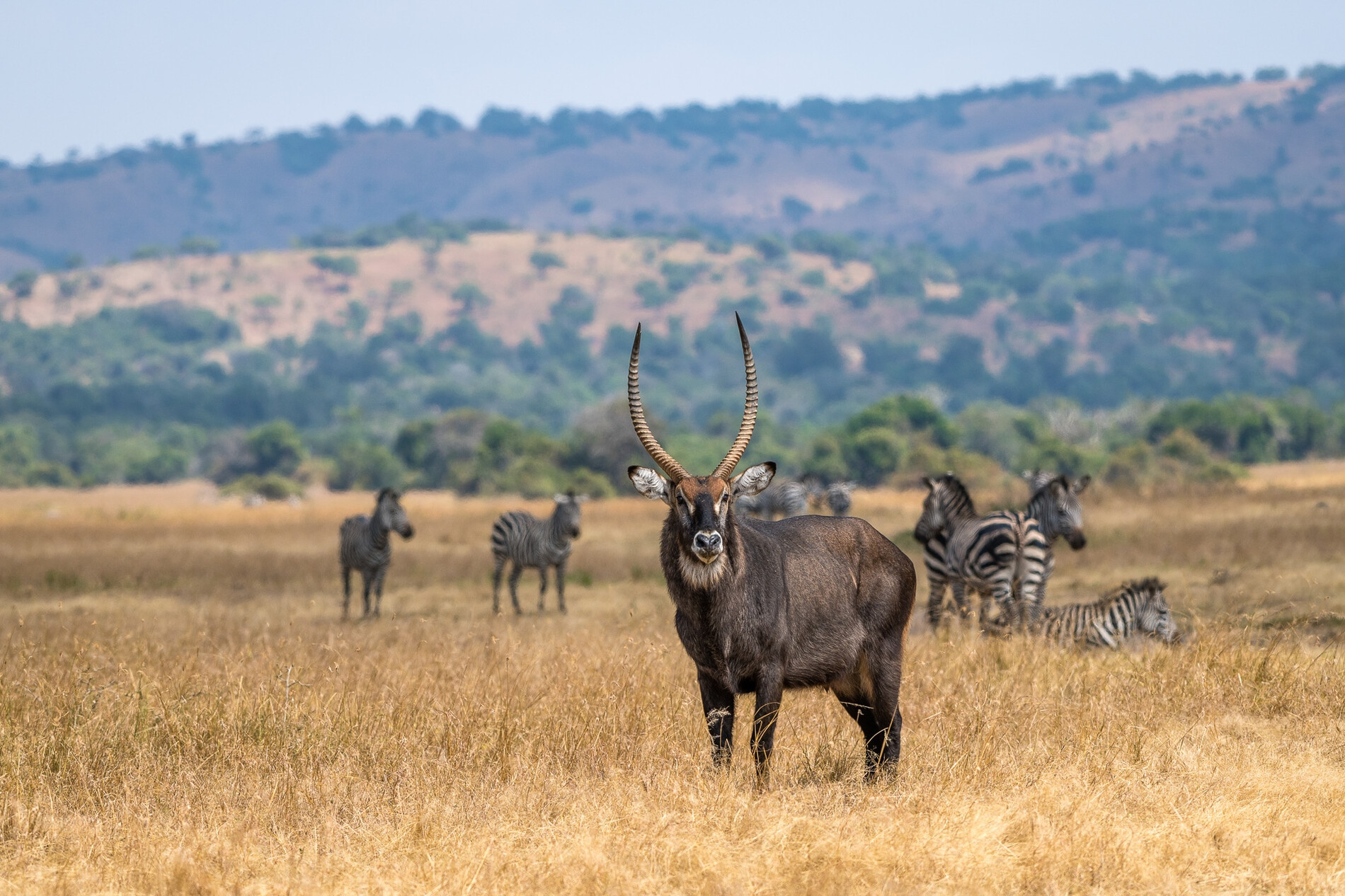
An African safari offers opportunities to see a
variety of wildlife, including elephants, lions, leopards, giraffes, zebras,
buffaloes and numerous bird species. Carrying a camera allows you to capture
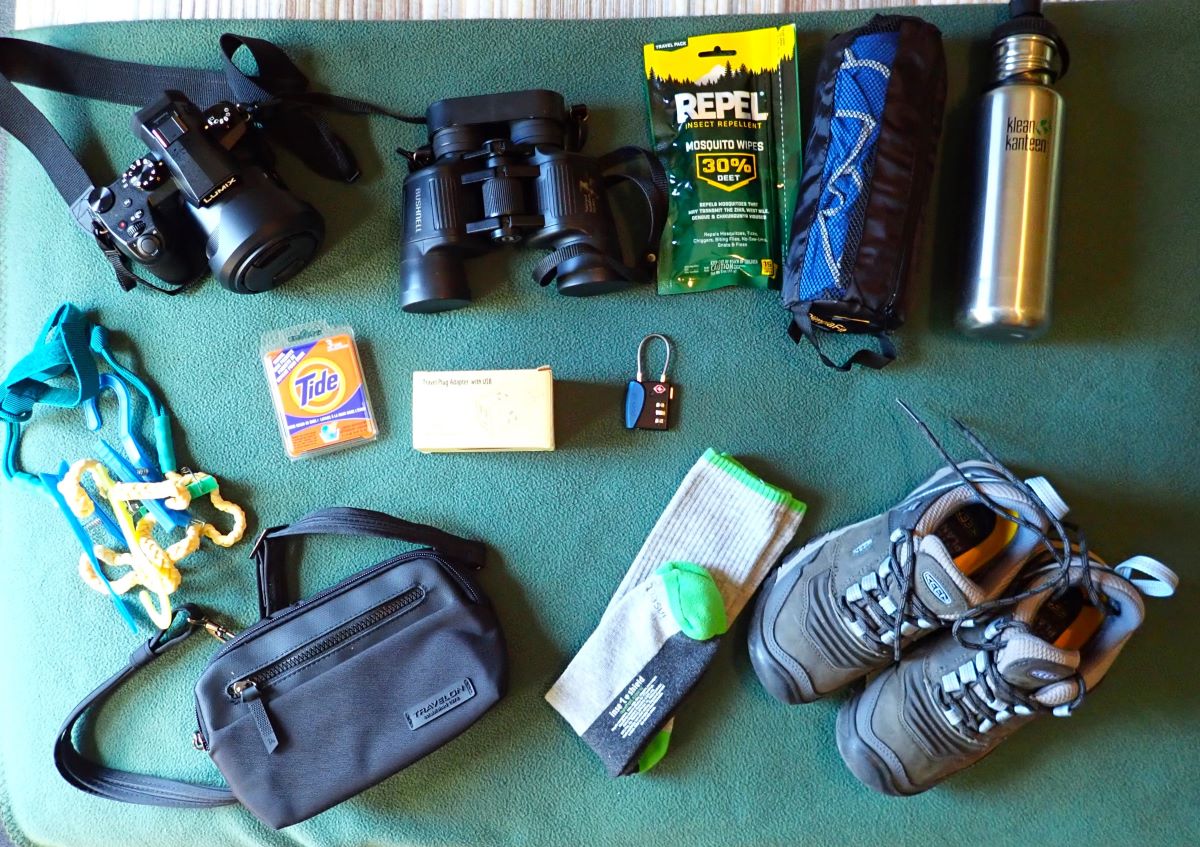
these encounters and preserve memories of your adventure. A camera with a
suitable zoom lens is useful for photographing animals from a distance.
Binoculars are equally important, especially for spotting wildlife that may be
far away or hidden in vegetation. Remember to pack extra camera batteries,
memory cards, chargers, and a camera bag for protection. If you prefer using
your smartphone, ensure it has enough storage space and carry a power bank to
keep it charged.
Travel Documents
and Important Identification
Travel documents should be among the first things
you prepare when packing for an African safari. You may need them at airports,
border crossings, hotels and national park entrances. Important documents to
carry include your valid passport, required visas or travel authorizations,
flight tickets, safari booking confirmations, travel insurance documents and
emergency contact information. Depending on your destination, you may also need
a yellow fever vaccination certificate and other required health documentation.
If your safari includes gorilla trekking, ensure your permit arrangements are
confirmed with your tour operator. Keep your important documents in a secure
travel pouch and carry digital copies as a backup.
A Small Daypack
or Backpack
A small backpack is useful for carrying personal
essentials during game drives, nature walks, and other safari activities.
Instead of carrying your main luggage everywhere, you can keep frequently
needed items in a smaller bag. Your daypack can hold drinking water, sunscreen,
sunglasses, snacks, a camera, binoculars, personal medication and a rain
jacket. Choose a lightweight backpack with comfortable straps and enough
compartments to organize your belongings. A water-resistant backpack is
particularly useful when travelling during rainy seasons or participating in
forest activities.
Reusable Water
Bottle and Snacks
Staying hydrated is important during an African
safari, especially when spending long hours in a safari vehicle or exploring
outdoor destinations. Carry a reusable water bottle that you can refill with
safe drinking water provided by your lodge or tour operator. You may also pack
light snacks such as energy bars, nuts and dried fruits for long journeys
between destinations. These can be helpful when travelling through remote areas
where shops and restaurants are limited. However, always follow park
regulations regarding eating near wildlife. Never feed wild animals or leave
food remains in the natural environment.
Electronic
Devices and Charging Accessories
Electronic devices are useful for photography,
communication, navigation, and accessing important travel information.
Depending on your needs, pack your smartphone, camera, chargers, headphones,
power bank, and suitable travel adapter. Different African countries may use
different electrical plug types, so check the requirements of your destination
before departure. Some remote safari lodges and camps may also have limited
electricity or scheduled charging hours. A fully charged power bank is useful
when spending long hours away from your accommodation. If you are carrying
several electronic devices, organize their charging accessories in a separate
pouch to avoid losing small items.
Rain Gear and
Weather Protection
Weather conditions can change unexpectedly during an
African safari. Even when travelling during the dry season, some destinations
may experience occasional rainfall. A lightweight waterproof jacket or rain
poncho is therefore worth packing. A small waterproof bag is also useful for
protecting your camera, smartphone, travel documents, and other valuable items.
If your itinerary includes gorilla trekking or forest walks, rain protection is
particularly important because trails can become muddy and slippery. Check the
expected weather conditions before departure so that you can pack suitable
clothing for your destination.
Cash, Bank Cards
and Other Personal Essentials
Carrying some local currency is useful for small
purchases, tips, souvenirs and other personal expenses. Although major hotels,
airports, and lodges may accept bank cards, some remote safari camps and local
businesses may have limited card payment facilities. You can also pack a small
wallet, travel journal, pen, luggage lock, reusable shopping bag, earplugs and
an eye mask. Keep your money, bank cards and other valuables secure throughout
your journey.
Additional Items
for Specific Safari Activities
Your packing list may vary depending on the
activities included in your safari itinerary. Some experiences require
additional clothing and equipment.
Gorilla Trekking: If your safari includes gorilla
trekking, pack waterproof hiking boots, long trousers, long-sleeved shirts,
gardening gloves, gaiters, and a rain jacket. These items protect you from
scratches, insects, mud and thick forest vegetation.
Walking Safaris: Comfortable hiking boots, neutral-colored
clothing, a hat, sunscreen, insect repellent and a reusable water bottle are
essential. Follow your guide's instructions throughout the walk.
Bird watching Safaris: Carry binoculars, a camera
with a zoom lens, a bird identification guide, a notebook, and comfortable
outdoor clothing. These items help you identify and observe different bird
species.
Hot Air Balloon Safaris: Early morning balloon
flights can be chilly, particularly before sunrise. Pack a warm sweater or jacket,
comfortable closed shoes and a camera to capture the beautiful landscapes from
above.
Beach Holidays: If your safari includes a beach
extension, carry swimwear, sandals, lightweight beach clothing, sunscreen,
sunglasses and a beach bag. These essentials will help you enjoy your time
along the coast.
What Not to Pack
for an African Safari
Packing for a safari also means knowing which items
to leave behind. Over packing can make travelling difficult, especially when
your itinerary includes domestic flights using small safari aircraft with
strict luggage limits. Avoid carrying excessive clothing, heavy suitcases,
unnecessary jewelry, expensive accessories and strong perfumes. Brightly colored
clothing may also be unsuitable for some wildlife activities. Camouflage
clothing is restricted in certain African countries, so it is best to avoid
packing it. Additionally, check the luggage restrictions provided by your tour
operator before travelling. Some airlines require luggage to be packed in
soft-sided bags rather than hard-shell suitcases.
Packing for an African safari does not have to be
complicated. The most important thing is to choose practical clothing,
comfortable footwear, sun protection, personal essentials and the right
equipment for your planned activities. Your packing requirements may differ
depending on your destination, the season, the length of your safari and the
experiences included in your itinerary. Before departure, check the weather
conditions, confirm luggage restrictions with your tour operator and organize
your belongings accordingly. With proper preparation, you can travel
comfortably, enjoy your safari activities and focus on experiencing Africa's
incredible wildlife, beautiful landscapes and unforgettable adventures.
Ready to plan your next
African safari adventure? Contact Zoophilist
Adventures and Safaris for tailor-made gorilla trekking, wildlife safaris,
chimpanzee tracking, and cultural tours across Uganda, Rwanda, Kenya, and
Tanzania.
📧 Email: info@primatetrekkingsafaris.com
mailto:zoophilistadventures@gmail.com
📞
Phone/WhatsApp: +256 760779592
Visit our official website for more information https://primatetrekkingsafaris.com/.
Zoophilist Adventures and Safaris specializes in personalized safari
experiences, offering expert guidance and carefully crafted itineraries for
unforgettable African wildlife encounters