
Uganda has earned a strong reputation as one of Africa’s
leading destinations for primate tourism. Known as the pearl of Africa, the
country offers visitors the opportunity to encounter mountain
gorillas, chimpanzees, golden monkeys and a wide variety of other primates
within protected forests and diverse natural habitats. Uganda tourism board
currently promotes the country as the primate capital of the world, reflecting
the importance of primates to its tourism industry.
Home to the Mountain
Gorillas
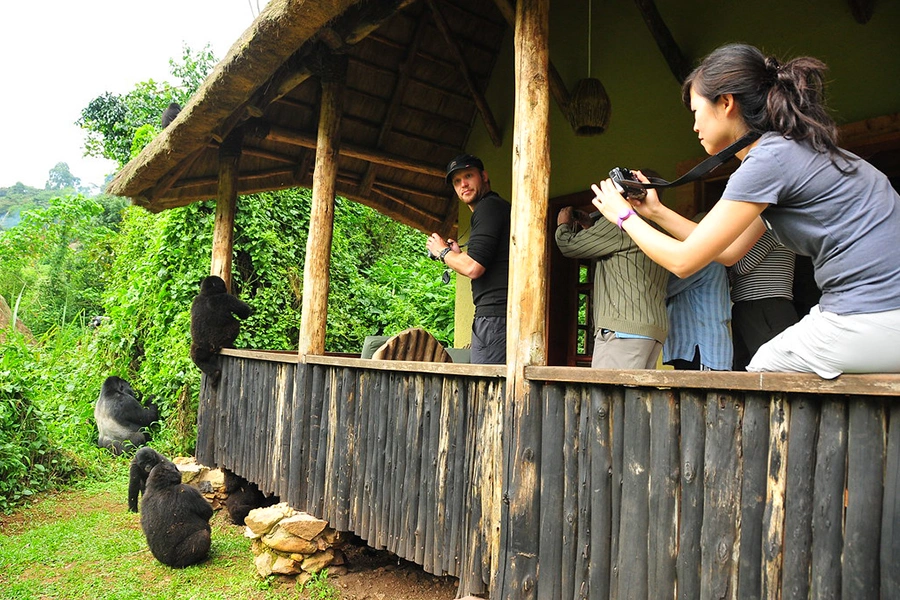
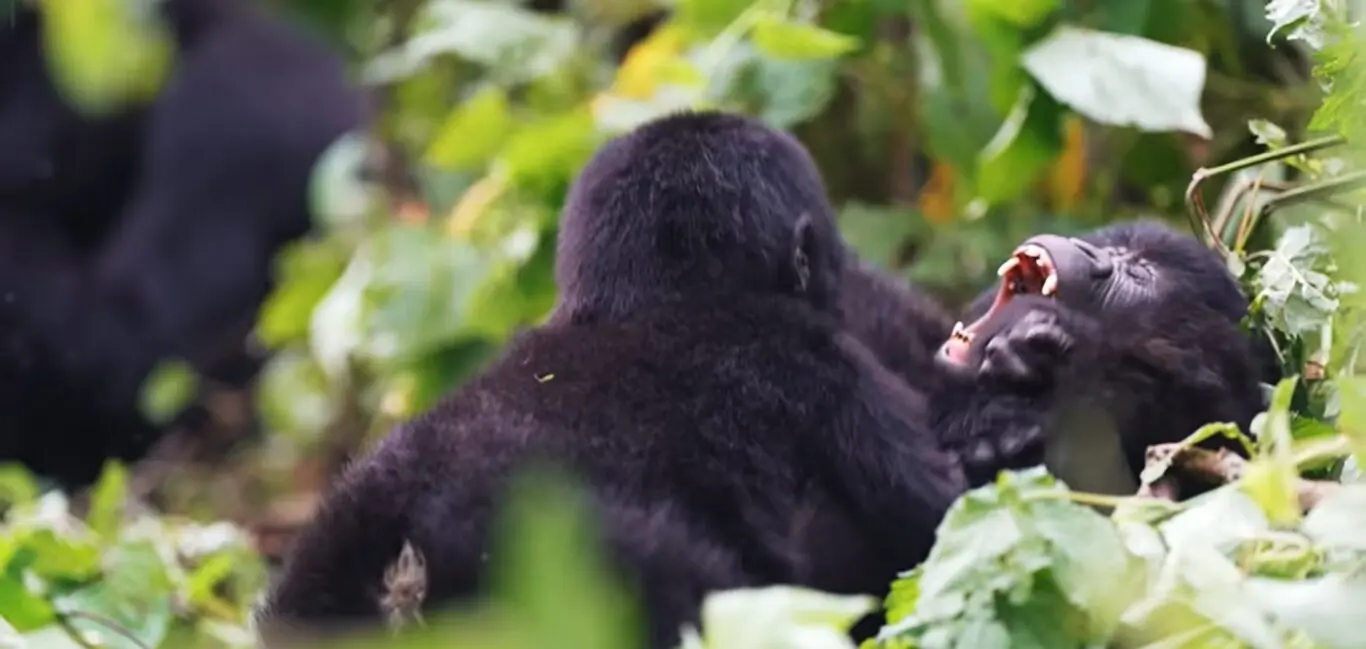
One of Uganda’s biggest advantage is its mountain
gorilla population. More than half of the world’s remaining mountain gorillas
are found in Uganda, mainly within Bwindi Impenetrable National Park and
Mgahinga Gorilla National Park. This makes the country one of only a few
destinations where travelers can trek through natural forest and observe these
endangered great apes in their habitat. Gorilla trekking provides more than a
wildlife-viewing experience. Visitors follow experienced guides through
mountainous forest, learn about gorilla behavior and conservation and spend
regulated time observing habituated gorilla families. The experience has become
an important source of tourism revenue that supports conservation and
surrounding communities.
Kibale: A
Primate Haven
Uganda’s primate tourism extends far beyond gorillas.
Kibale
National Park in western Uganda is internationally recognized for its
exceptional primate diversity and is widely promoted as the “Primate Capital of
the World.” The forest supports chimpanzees alongside several species of
monkeys and nocturnal primates. Chimpanzee tracking is one of the major
attractions visitors enter the forest with trained guides to search for
chimpanzee communities following their calls and movements through the trees.
Their intelligence, vocal communication and complex social behavior make
chimpanzees encounters particularly fascinating.
A wide variety
of Primate Species
Uganda offers a level of primate diversity that
makes it attractive to both first time wildlife travelers and specialist
primate enthusiasts. Besides mountain gorillas and chimpanzees, visitors may
encounter golden monkeys, red tailed monkeys, L’Hoest’s monkeys, blue monkeys,
mangabeys, baboons, vervet monkeys, bush babies and pottos. This diversity
means a primate safari does not have to focus on a single species. Travelers
can combine different forests and destinations to experience several types of
primates during one trip.
Diverse Forest Habitats
Uganda’s geographical position contributes greatly
to its primate richness. The country contains tropical rainforests, montane
forests, wetlands, savannahs and other ecosystems that provide habitats for
different species. Uganda tourism board attributes the country’s biodiversity
partly to its position where East African savannah ecosystems meet West African
rainforest influences. For travelers, this creates an opportunity to experience
primates in very different environments. Mountain gorillas live in high altitude
forests, chimpanzees thrive in tropical forests while other monkey species
occupy a range of forests and woodland habitats.
More than one Chimpanzee
Destination
Another advantage is the number of places where
chimpanzee experiences are available. Kibale National Park is the leading
destination while chimpanzees are also found in places such as Budongo Forest,
Kyambura Gorge in Queen Elizabeth National Park and Kanyo Pabidi. This gives
travelers flexibility when designing an itinerary and makes it possible to
combine chimpanzee tracking with other safari experiences. A traveler might for
example combine chimpanzee tracking in Kibale with wildlife viewing in Queen
Elizabeth National Park before continuing to Bwindi for gorilla trekking. This
creates a diverse itinerary that combines primates, savannah wildlife, forests
and local communities.
Golden Monkey
Encounters in the Virunga Mountains
Uganda also offers golden monkey tracking in Mgahinga
Gorilla National Park. These endangered primates live in the bamboo and
montane forests of the Virunga landscape. Their active movements and
distinctive appearance provide a different experience form gorilla trekking. Mgahinga
therefore gives travelers the chance to combine two major primate experience in
one destination, mountain gorilla trekking and golden monkey tracking.
Conservation is
at the Heart of Primate Tourism
Primate tourism in Uganda is closely connected to
conservation. Uganda Wildlife Authority manages gorilla and chimpanzee tracking
through regulated permits, designated tracking areas, guides and conservation
procedures. These measures help control tourism activities and protect the
animals and their habitats. Uganda has continued investing in primate research
and monitoring. In 2025 Uganda launched the Bwindi-Sarambwe mountain gorilla
and chimpanzee census using methods including genetic analysis and nest counts.
Such research provides information needed for conservation planning and the
long term management of these species.
Tourism Supports
Local Communities
Primate tourism provides economic opportunities
around protected forests. Gorilla and chimpanzee tourism creates demand for
guides, porters, accommodation, transport, restaurants, crafts and other
tourism services. Uganda’s conservation approach includes community
participation and revenue sharing initiatives around protected areas. This
connection between tourism and local livelihoods gives communities an economic
reason to support the protection of forests and wildlife.
Primate Safari
Can be combined with a Classic Safari
One of Uganda’s strongest advantages is the ability
to combine primate tourism with traditional safari activities. A visitor does
not have to choose between gorilla trekking, chimpanzee tracking and savannah
wildlife. An itinerary might include chimpanzee tracking in Kibale, a boat
cruise and game drive in Queen Elizabeth National Park followed by gorilla
trekking in Bwindi. Travelers can further extend their journey to destinations
such as Murchison Falls, Kidepo Valley or Lake Mburo for additional wildlife
experiences.
Accessible for
Different Types of Travelers
Uganda offers different levels of primate
experiences form challenging mountain gorilla treks to chimpanzee tracking and
forest walks. This variety allows tour operators to design trips according to traveler’s
interest’s available time and preferred activities. The country’s protected
areas also form part of wider tourism circuits making it practical to combine
primate experiences with cultural encounters, bird watching, hiking, boat trips
and game drives.
Why Uganda
Stands Out in Primate Tourism
Uganda’s strength lies in the combination of
mountain gorillas, chimpanzees, golden monkeys and numerous other primate
species, together with diverse forests and strong conservation programs. Few
destinations provide such a broad range of primate experience alongside classic
African safari activities. For travelers interested in wildlife beyond the big
five, Uganda offers an opportunity to enter some of Africa’s most important primate
habitats and observe animals in their natural surroundings. Its combination of
biodiversity, conservation, community involvement and varied tourism
experiences continues to strengthen its position as a leading primate tourism
destination.