
The best time with ideal wildlife viewing conditions
on a Uganda safari is during the dry seasons, from June to September and
December to February. These months offer excellent game-viewing opportunities
as wildlife gathers around water sources, vegetation becomes less dense, and
park roads remain accessible. Visitors can enjoy rewarding sightings of
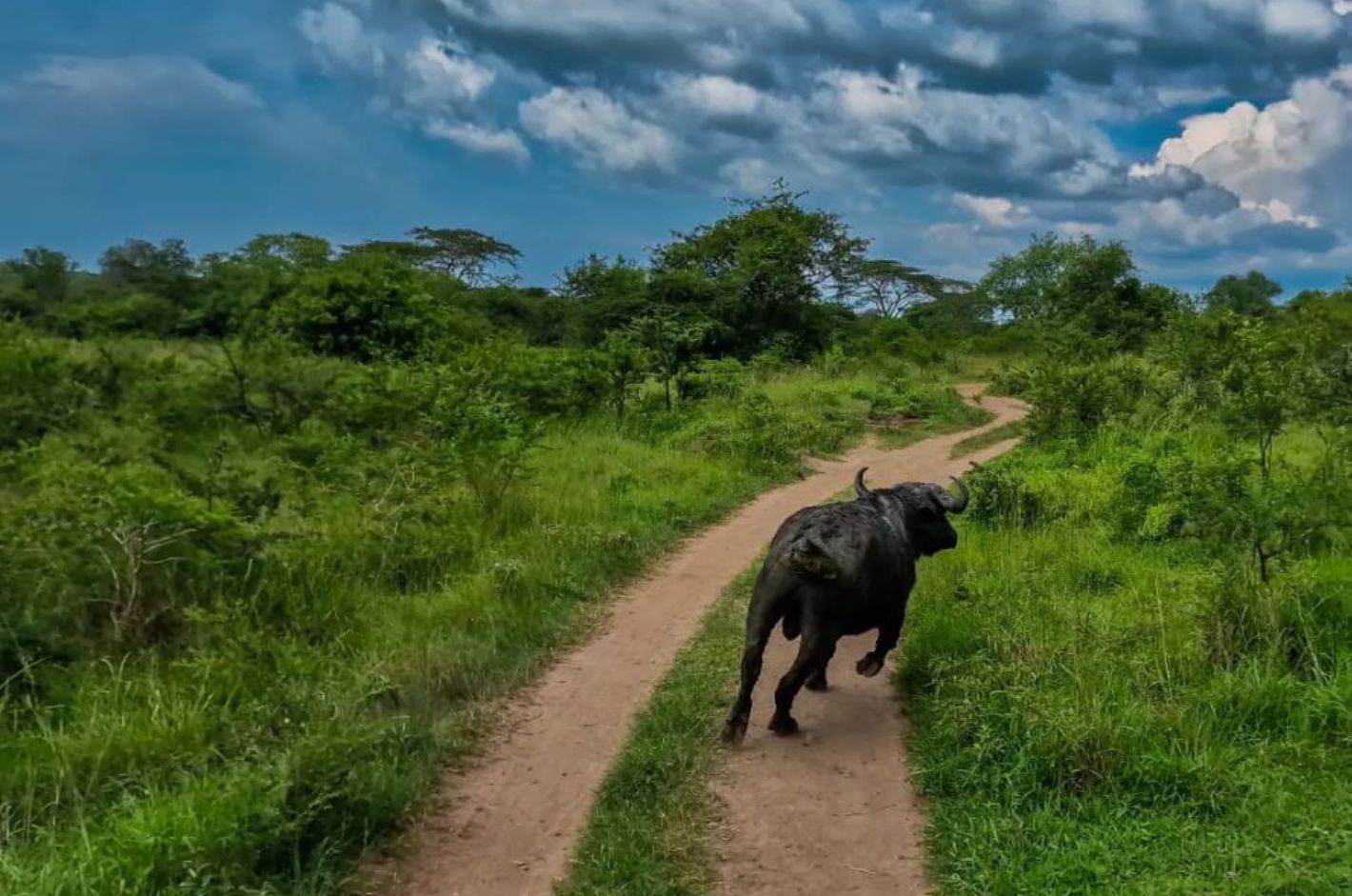
elephants, lions, buffaloes, giraffes, leopards, and numerous bird species
across Uganda’s leading safari destinations, including Murchison Falls, Queen
Elizabeth, Kidepo Valley, and Lake Mburo National Parks. Dry conditions also
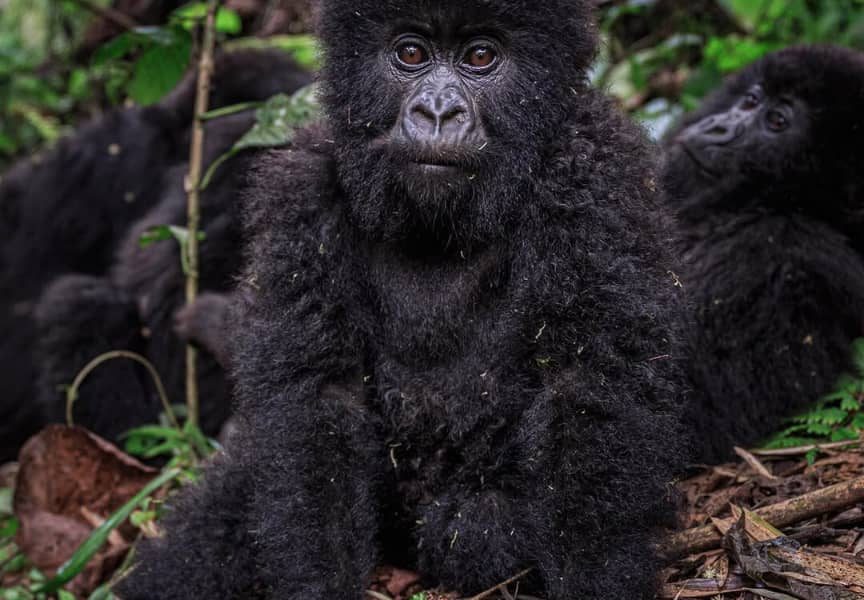
improve gorilla trekking and chimpanzee tracking experiences by making forest
trails easier to navigate. Whether planning a classic savannah safari or a
primate-focused adventure, these seasons provide the best combination of favorable
weather, wildlife activity, accessibility, and photography opportunities for an
unforgettable Uganda safari
Undertanding
Uganda’s Wildlife Seasons
The best time with ideal wildlife viewing conditions
on a Uganda safari is generally during the dry seasons, which occur from June
to September and December to February. These months provide favorable weather,
easier park access, and excellent visibility across Uganda’s national parks.
Wildlife tends to gather around reliable water sources, making animals easier
to locate during game drives. Reduced rainfall also means roads remain in good
condition, allowing visitors to explore larger sections of protected areas
comfortably. Uganda’s diverse safari destinations, including Murchison Falls
National Park, Queen Elizabeth National Park, Kidepo Valley National Park, and
Lake Mburo National Park, all benefit from these dry conditions. Travelers
seeking rewarding wildlife encounters often schedule their safaris during these
months because they offer a combination of pleasant weather, active wildlife,
and reliable safari conditions.
June as a Prime
Safari Month
June marks the beginning of one of the best periods
with ideal wildlife viewing conditions on a Uganda safari. The landscape
remains green from previous rains while vegetation begins to thin, creating
excellent visibility for wildlife spotting. Animals become increasingly
concentrated near rivers, lakes, and waterholes as conditions become drier.
Game drives in parks such as Murchison Falls and Queen Elizabeth become
particularly productive during this period. Temperatures are comfortable,
making long days of wildlife viewing enjoyable. Birdlife remains abundant while
mammals become easier to locate in open grasslands. June also offers excellent
photographic conditions, with clear skies and attractive natural scenery. For
travelers seeking a balance between green landscapes and strong wildlife viewing
opportunities, June consistently stands out as one of Uganda’s top safari
months.
Peak Wildlife
Viewing in July
July is widely regarded as one of the finest months
with ideal wildlife viewing conditions on a Uganda safari. During this period,
dry weather dominates much of the country, improving accessibility across
national parks. Vegetation becomes shorter, allowing visitors to spot wildlife
from greater distances. Animals gather near water sources, increasing the
likelihood of seeing large concentrations of elephants, buffaloes, antelopes,
and predators. Game drives are comfortable thanks to cooler mornings and warm
afternoons. Gorilla trekking conditions in Bwindi Impenetrable National Park
and Mgahinga Gorilla National Park are also favorable because forest trails are
less muddy and easier to navigate. Visitors can spend more time enjoying
wildlife rather than dealing with challenging terrain. July's reliable weather
makes it one of the most popular months for Uganda safari experiences.
Excellent
Conditions During August
August continues the trend of ideal wildlife viewing
conditions on a Uganda safari with consistently dry weather and excellent game
viewing opportunities. Wildlife remains concentrated around permanent water supplies,
creating predictable animal movements across the parks. Predator sightings
often improve because lions, leopards, and hyenas follow prey animals that
gather in accessible grazing areas. Open savannah landscapes offer exceptional
visibility for both wildlife enthusiasts and photographers. Boat safaris along
the Nile in Murchison Falls National Park become especially rewarding as
animals frequently visit riverbanks. Dry conditions also make travel between
destinations more convenient and efficient. Birdwatchers benefit from good
visibility, while general safari-goers enjoy regular sightings of Uganda’s
iconic mammals. August remains one of the strongest months for anyone
prioritizing wildlife viewing success.
The Advantages
of September Safaris
September offers ideal wildlife viewing conditions
on a Uganda safari while often experiencing slightly fewer visitors compared to
peak months. Wildlife remains concentrated near dependable water sources, and
vegetation continues to be relatively short across many park areas. Animal
sightings remain consistent, particularly in Uganda’s savannah parks where
elephants, giraffes, buffaloes, and antelopes are regularly observed. Predators
continue to benefit from easier hunting conditions, increasing opportunities
for visitors to witness natural wildlife behaviors. Weather conditions remain
comfortable, with lower chances of heavy rainfall disrupting activities.
Gorilla trekking conditions are still favorable, and forest paths generally
remain accessible. September provides an excellent combination of good weather,
rewarding wildlife encounters, and less crowded safari experiences. This makes
it an attractive option for travelers seeking ideal game-viewing conditions.
December and
Holiday Safari Conditions
December marks the beginning of another period with
ideal wildlife viewing conditions on a Uganda safari. As rainfall decreases,
wildlife becomes easier to observe across Uganda's major national parks. Many
travelers choose December because it coincides with holiday periods and
generally pleasant weather. Animals begin concentrating around available water
sources, improving game-viewing opportunities during both morning and afternoon
drives. Clear skies and abundant sunshine make photography particularly
rewarding during this season. Road conditions improve significantly compared to
wetter months, allowing easier access to remote wildlife areas. December also
offers favorable conditions for chimpanzee tracking and gorilla trekking
activities. Visitors can expect a comfortable safari experience with a high
likelihood of seeing various wildlife species. The combination of accessibility
and animal activity makes December highly desirable.
January's Strong
Wildlife Viewing Opportunities
January provides some of the most ideal wildlife
viewing conditions on a Uganda safari thanks to its dry weather and excellent
visibility. Wildlife species remain concentrated around key water sources,
making game drives highly productive. National parks such as Queen Elizabeth
and Murchison Falls offer abundant opportunities to observe elephants, lions,
buffaloes, and numerous antelope species. Morning temperatures are cool and
pleasant, encouraging increased animal movement before midday heat arrives. Gorilla
trekking and chimpanzee tracking experiences also benefit from relatively dry
trails and favorable hiking conditions. Photographers appreciate the bright
natural light and clear skies that characterize much of January. The
combination of accessible roads, active wildlife, and comfortable weather helps
make January one of the most reliable months for safari travelers seeking
outstanding wildlife encounters.
February and
End-of-Season Benefits
February concludes the short dry season while maintaining
ideal wildlife viewing conditions on a Uganda safari. Water sources continue
attracting wildlife, creating excellent opportunities for observing animal
interactions and behaviors. Savannah landscapes remain open enough for
effective wildlife spotting, and safari vehicles can access most areas without
difficulty. Visitors often enjoy fewer weather-related disruptions compared to
wetter periods of the year. Predator activity remains strong as prey animals
gather in concentrated locations. Boat cruises along rivers and wetlands
continue to produce rewarding sightings of hippos, crocodiles, elephants, and
birdlife. Forest trekking experiences remain relatively comfortable due to
lower rainfall. February combines favorable weather with productive game-viewing
opportunities, making it a highly recommended month for travelers who value
reliable safari conditions.
Why Dry Seasons
Are Preferred
The dry seasons consistently provide the most ideal
wildlife viewing conditions on a Uganda safari because they influence both
animal behavior and visitor accessibility. During these months, reduced
vegetation improves visibility across parks and makes tracking wildlife easier.
Water scarcity naturally concentrates animals in predictable locations, allowing
guides to locate species more efficiently. Roads remain passable, minimizing
travel delays and maximizing time spent observing wildlife. Early mornings and
late afternoons bring increased animal activity, further improving sighting
opportunities. Dry weather also enhances comfort for visitors participating in
game drives, walking safaris, and trekking activities. Although Uganda offers
year-round wildlife experiences, the advantages associated with dry-season
travel often lead to more successful and rewarding safari outcomes for most
visitors.
Choosing the
Best Overall Time
Overall, the best time with ideal wildlife viewing
conditions on a Uganda safari is between June and September, followed closely
by December to February. These periods combine excellent visibility,
concentrated wildlife populations, favorable weather, and strong accessibility
across Uganda’s national parks. Travelers can enjoy productive game drives,
comfortable gorilla trekking experiences, rewarding boat safaris, and outstanding
photography opportunities. While wildlife can be seen throughout the year,
dry-season conditions consistently provide higher chances of memorable animal
sightings and easier travel logistics. Whether visiting Murchison Falls, Queen
Elizabeth, Kidepo Valley, Lake Mburo, Bwindi, or Kibale, travelers benefit from
the conditions these months provide. Careful timing allows visitors to
experience Uganda’s remarkable biodiversity under some of the best wildlife
viewing circumstances available in East Africa.