
Masai Mara
National Reserve
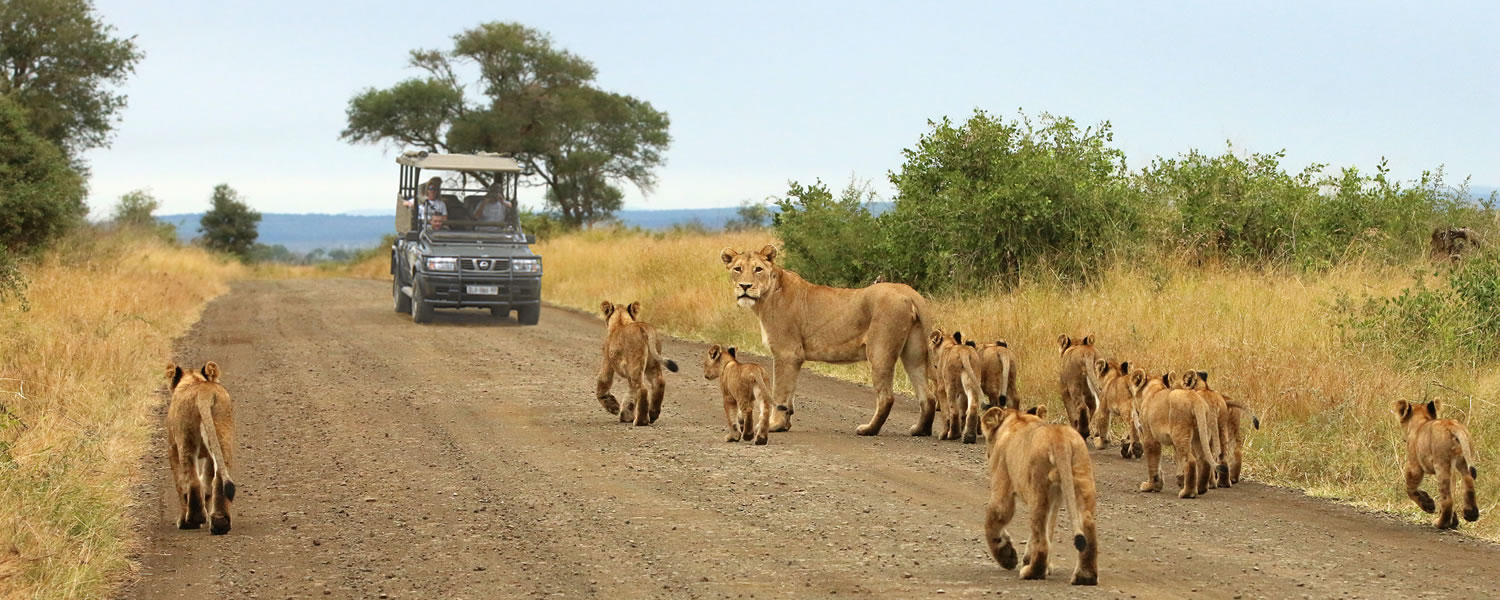
Masai Mara National Reserve is often called the crown
jewel of Kenya safari tours, especially during the Great Migration between July
and October. This spectacle sees millions of wildebeest and zebras crossing the
Mara River, pursued by lions, leopards, and cheetahs. The reserve also offers
excellent chances to spot elephants and other members of the Big Five. Beyond
the migration, Masai Mara provides year-round predator sightings and diverse
landscapes of rolling plains and riverine forests. For travelers seeking
exclusivity, private conservancies bordering the reserve allow night drives and
walking safaris, offering a more personal wildlife experience. Its
accessibility from Nairobi makes it a top choice for both short and extended
safaris.
Amboseli
National Park
Amboseli National Park is renowned for its large
elephant herds set against the dramatic backdrop of Mount Kilimanjaro. Known as
one of the best places in Africa to see elephants up close, Amboseli also hosts
buffalo, giraffes, zebras, and a variety of bird species. The park’s open
plains, swamps, and dry lake beds create diverse habitats that support abundant
wildlife. Photographers particularly value Amboseli for its striking views of
elephants framed by Africa’s highest peak. Accessibility is convenient, with a
four-hour drive or short flight from Nairobi. For travelers seeking iconic
elephant sightings combined with breathtaking scenery, Amboseli is an essential
stop on Kenya safari tours.
Samburu National
Reserve
Samburu National Reserve offers a unique safari
experience with species found nowhere else in Kenya. Known for the “Special
Five”Grevy’s zebra, reticulated giraffe, Somali ostrich, Beisa oryx, and
gerenuk it is a destination for travelers seeking diversity beyond the Big
Five. The reserve’s arid and rugged landscapes along the Ewaso Ng’iro River
provide dramatic scenery and reliable wildlife viewing. Lions, leopards, and
elephants are also present, but it is the northern species that make Samburu
stand out. Cultural visits with the Samburu people add depth to the safari,
showcasing traditions and resilience in this semi-arid region. Samburu is ideal
for those looking to combine wildlife with cultural immersion in a less crowded
setting.
Lake Nakuru
National Park
Lake Nakuru National Park is famous for its reliable
rhino sightings, with both black and white rhinos protected within its fenced
boundaries. The park also hosts Rothschild’s giraffes, lions, and seasonal
flocks of flamingos along the lake shore. Its location in the Great Rift Valley
provides stunning scenery, with wooded hills, waterfalls, and viewpoints
overlooking the lake. Birdwatchers find Lake Nakuru rewarding, as it supports
over 400 bird species. The park’s compact size makes it easy to explore in a
day, and its proximity to Nairobi adds convenience for short safaris. For travelers
seeking rhino viewing combined with diverse wildlife and beautiful landscapes,
Lake Nakuru is a must-visit destination.
Ol Pejeta
Conservancy
Ol Pejeta Conservancy is one of Kenya’s most unique
safari destinations, offering experiences you cannot find elsewhere. It is the
only place in Kenya where you can see chimpanzees, cared for in a sanctuary
dedicated to their protection. Even more remarkable, Ol Pejeta is home to the
last two northern white rhinos on Earth, making it a critical conservation hub.
The conservancy also provides excellent rhino and elephant viewing, alongside
lions, leopards, and other wildlife. Its location near Mount Kenya adds scenic
beauty, while activities such as night drives, bush walks, and community visits
enrich the safari. Ol Pejeta is ideal for travelers who want a mix of
traditional game viewing and rare conservation encounters.
Tsavo National
Parks
Tsavo East and Tsavo West together form one of
Africa’s largest protected areas, offering a wilder, less crowded safari
experience. Tsavo East is famous for its “red elephants,” which coat themselves
in the park’s distinctive red dust, creating striking photo opportunities.
Tsavo West, on the other hand, is home to Mzima Springs, where visitors can
watch hippos and crocodiles from an underwater viewing chamber. The parks also
host lions, leopards, giraffes, and diverse birdlife across vast landscapes of
savannah, volcanic hills, and river systems. Their sheer size means wildlife is
more spread out, but the sense of adventure and remoteness is unmatched. Tsavo
is perfect for travelers seeking rugged scenery and authentic wilderness away
from the crowds.
Nairobi National
Park
Nairobi National Park offers a surreal safari
experience just minutes from Kenya’s capital city. It is the only national park
in the world located on the edge of a major city, where visitors can see lions,
giraffes, rhinos, and zebras against the backdrop of Nairobi’s skyline. The
park is well-managed, with clear routes and reliable wildlife sightings, making
it ideal for short visits or layovers. Its accessibility allows travelers to
enjoy a half-day safari without leaving the city, making it especially
convenient for business travelers or those with limited time. Nairobi National
Park combines urban proximity with authentic wildlife encounters, offering a
unique blend of modern city life and untamed nature.
Hell’s Gate
National Park
Hell’s Gate National Park provides a different kind
of safari experience, focusing on adventure and scenery rather than traditional
game drives. Visitors can hike, bike, or climb through dramatic gorges,
towering cliffs, and geothermal steam vents. The park’s landscapes inspired the
setting for Disney’s The Lion King, adding cultural significance to its natural
beauty. Wildlife includes zebras, gazelles, and baboons, though the main
attraction is the opportunity to explore on foot or bicycle. Hell’s Gate is
also a gateway to Lake Naivasha, where boat rides offer birdwatching and hippo
sightings. For travelers seeking active exploration and striking geological
features, Hell’s Gate is a refreshing alternative to Kenya’s classic safari
parks.
Lamu Old Town
Lamu Old Town is a cultural gem and a perfect add-on
to a Kenya safari. As a UNESCO World Heritage Site, it is the oldest and
best-preserved Swahili settlement in East Africa. The town is car-free, with
donkeys and boats serving as the main modes of transport, creating a timeless
atmosphere. Its narrow streets, coral stone houses, and intricately carved
wooden doors reflect centuries of Arab, Persian, and Indian influences.
Visitors can explore local markets, mosques, and museums, or enjoy dhow cruises
along the Indian Ocean. Lamu offers a blend of history, culture, and
relaxation, making it an ideal complement to wildlife adventures. It is best
for travelers who want to enrich their safari with authentic coastal heritage.
Best time to
visit Kenya for safari
The best time to visit Kenya for safari is during
the dry seasons from June to October and January to February, when wildlife
viewing is at its most rewarding. Between July and September, the Masai Mara
hosts the spectacular Great Migration, with millions of wildebeest and zebras
crossing the Mara River under the watch of predators. Dry months also mean
easier game drives, clearer skies, and excellent photography conditions. While
safaris are possible year-round, the long rains from March to May and short
rains in November bring lush scenery and fewer tourists, though wildlife can be
harder to spot. Whether you choose peak migration season or quieter months,
Kenya offers unforgettable safari experiences across its diverse parks and
reserves.
Booking Kenya
safari with Zoophilist Adventures and Safaris