
A Uganda
safari does not always have to be experienced from the back of a safari
vehicle. For travelers who want to feel closer to nature, walking safaris offer
a more intimate way to explore the country’s wilderness. Instead of simply
watching wildlife from a distance, you can follow animal tracks, discover
birds, learn about plants and experience the sights and sounds of the bush at
walking pace.
Lake Mburo
National Park: The Best Place for a Walking Safari
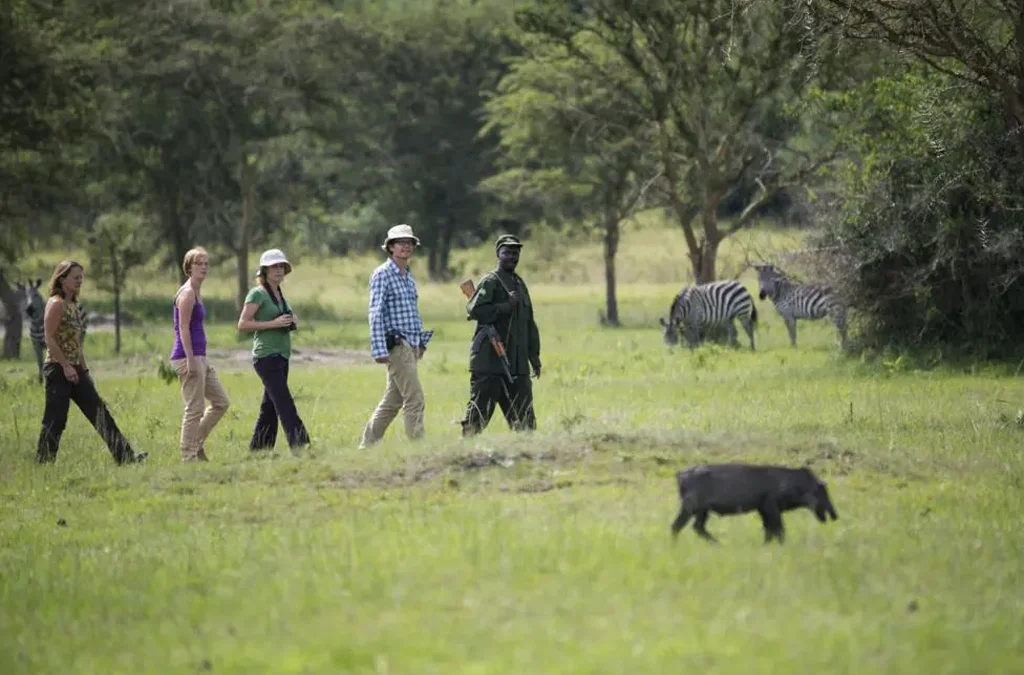
Lake Mburo National Park is one
of the best destinations in Uganda for a walking safari. Its open savannah,
acacia woodland, wetlands and rolling hills provide an excellent setting for
exploring the wilderness on foot. Guided walks can bring you close to animals
such as zebras, impalas, topis, elands, waterbucks and giraffes while also
giving you opportunities to observe different bird species. Walking with an
armed ranger allows you to explore safely while learning how to recognize
animal footprints, droppings, feeding signs and other clues left behind by
wildlife. The park is particularly appealing because it provides a different
experience from a traditional game drive.
Bwindi
Impenetrable National Park: Walk through the Ancient Rainforest
Bwindi Impenetrable National Park
offers one of the unique walking experiences in Uganda. The park is covered by
dense rainforest, where steep trails lead through thick vegetation in search of
endangered mountain gorillas. Gorilla trekking is a physically active
experience that involves walking through the forest with experienced trackers
and guides until you locate a habituated gorilla family. Beyond gorilla
trekking, visitors can also enjoy guided forest walks to discover Bwindi’s rich
birdlife, primates, butterflies, trees and other plant species. The combination
of dense rainforest, challenging trails and close encounters with wildlife
makes Bwindi a special destination for travelers who want to experience
Uganda’s wilderness on foot.
Kidepo Valley
National Park: Walk through Remote Wilderness
For travelers looking for a more
wild and remote experience, Kidepo Valley National Park offers guided walking
experiences in designated areas. Walking through the Narus Valley allows
visitors to experience Kidepo’s dramatic landscapes at a slower pace while
observing wildlife and birdlife. The walks provide a chance to appreciate the
details that can easily be missed from a vehicle, from animal tracks and
vegetation to bird calls and changing landscapes. Because Kidepo is a vast
wilderness area with potentially dangerous wildlife, walking should always be
undertaken with an authorized ranger or guide and according to current park
regulations.
Murchison Falls
National Park: Walk around the Powerful Falls
Murchison Falls National Park
combines wildlife viewing with one of Uganda’s most impressive natural
attractions. One of the popular walking experiences is the hike to the top of
Murchison Falls, where the Nile River forces its way through a narrow gorge
before plunging downstream. The walk provides spectacular views of the river
and surrounding landscape while allowing visitors to appreciate the power of
the falls from close range. Other guided nature experiences are available in
areas such as Kaniyo Pabidi and Rabongo Forest, where the focus can include
forest scenery, birds and primates.
Queen Elizabeth
National Park: Discover Nature beyond the Game Drive
Queen Elizabeth National Park is
famous for game drives and the Kazinga Channel boat cruise, but walking
experiences provide another way to discover its landscapes. Guided nature walks
can take visitors through areas such as Maramagambo Forest and the Mweya
Peninsula. A walk through the forest offers opportunities to appreciate
birdlife, vegetation and smaller wildlife that may not always attract attention
during a vehicle safari. Maramagambo is also known for its forest trails, bat
colony and diverse birdlife, making it an interesting addition to a wildlife
itinerary.
Semuliki
National Park: Walk through a Lowland Forest
Semuliki National Park offers a completely different walking experience from Uganda’s savannah parks. Its forest trails take visitors into a rich lowland tropical environment where the focus is often on birds, primates, plants and forest ecology. Walking through Semuliki allows you to experience the sounds of the forest more closely and discover species that can easily be overlooked from a vehicle. The trails make the park a good choice for travelers who want to combine wildlife viewing with nature exploration.
Mount Elgon
National Park: Hiking through Mountain Landscapes
Mount Elgon National Park is ideal
for travelers who want walking and hiking to be a major part of their safari.
The mountain offers trails through forests, moorlands, waterfalls and other
changing landscapes. Unlike a short wildlife walk, Mount Elgon hiking can
involve longer and more demanding routes, making it suitable for visitors
looking for an active outdoor experience. Uganda Wildlife Authority lists bird
watching and nature walks as well as Mount Elgon hiking among the park
activities.
Rwenzori
Mountains National Park: Walking in the Mountains
The Rwenzori Mountains provide
one of Uganda’s most rewarding experiences for travelers interested in mountain
walking. Trails pass through different vegetation zones, from montane forests
to higher alpine environments, creating a dramatic change in scenery as you
gain altitude. Shorter nature walks around the foothills can be combined with
longer mountain trekking experiences. The Rwenzori experience is particularly
suited to adventurous travelers who want to spend more time exploring Uganda on
foot.
Why Choose a
Walking Safari in Uganda?
Choosing a walking safari in
Uganda gives you the opportunity to experience the wilderness beyond the
traditional game drive. Walking allows you to explore nature at a slower pace,
observe animal tracks, discover different plant species and listen to the
sounds of the wild around you. It also offers a more active and intimate
connection with the environment, guided by an experienced ranger who helps you
understand the signs and behavior of wildlife.
A walking safari is ideal for
travelers who enjoy adventure, nature and photography and want to experience
Uganda from a different perspective. Whether you are walking through the
savannah of Lake Mburo, exploring forests in Queen Elizabeth and Semuliki, or
hiking through the mountain landscapes of Mount Elgon and the Rwenzori
Mountains, each walk offers a unique way to discover Uganda's natural beauty.
What Makes
Walking Safaris in Uganda Unique?
Walking safaris offer a
completely different way to experience Uganda’s national parks because you
explore the wilderness on foot rather than from a safari vehicle. This brings
you closer to nature and allows you to notice details that are often missed
during game drives, such as animal footprints, droppings, birdcalls, insects,
medicinal plants and signs of wildlife activity. With a trained ranger or
guide, you also learn how to read the landscape and understand animal behavior.
The slower pace makes the experience more personal and immersive, giving you
the feeling of being part of the wilderness rather than simply observing it
from a distance.
What to Carry
for a Walking Safari
For a comfortable walking safari,
pack lightweight and breathable clothing, comfortable closed walking shoes, a
hat, sunscreen, insect repellent, drinking water, binoculars and a small
backpack. A rain jacket is also useful because weather conditions can change
quickly, particularly in forest and mountain areas. Avoid wearing brightly colored
clothing and follow your guide's instructions throughout the walk. Walking
routes, access and safety requirements vary between protected areas, so always
confirm the current arrangements with Uganda Wildlife Authority or your safari
operator before travelling.
Best Time for
Walking Safaris in Uganda
The drier months are generally
the most convenient for walking and hiking, as trails are usually easier to
navigate and there is less rainfall. However, Uganda can offer walking
experiences throughout the year, and the wetter months bring greener scenery
and excellent opportunities for birdwatching. For the best experience, early
morning and late afternoon are often comfortable times for shorter walks
because temperatures are cooler and wildlife can be more active.
Walking Safaris:
A Different Side of Uganda
A walking safari adds another
dimension to a Uganda safari. Whether you are tracking wildlife across the
savannah of Lake Mburo, exploring the remote wilderness of Kidepo, walking
through Semuliki's forest or hiking the slopes of Mount Elgon and the Rwenzori’s,
exploring on foot allows you to experience Uganda at a much more personal
level. For travelers who want more than traditional game drives, putting a
walking safari into your Uganda itinerary is an excellent way to experience the
country's landscapes, wildlife and natural sounds from a different perspective.