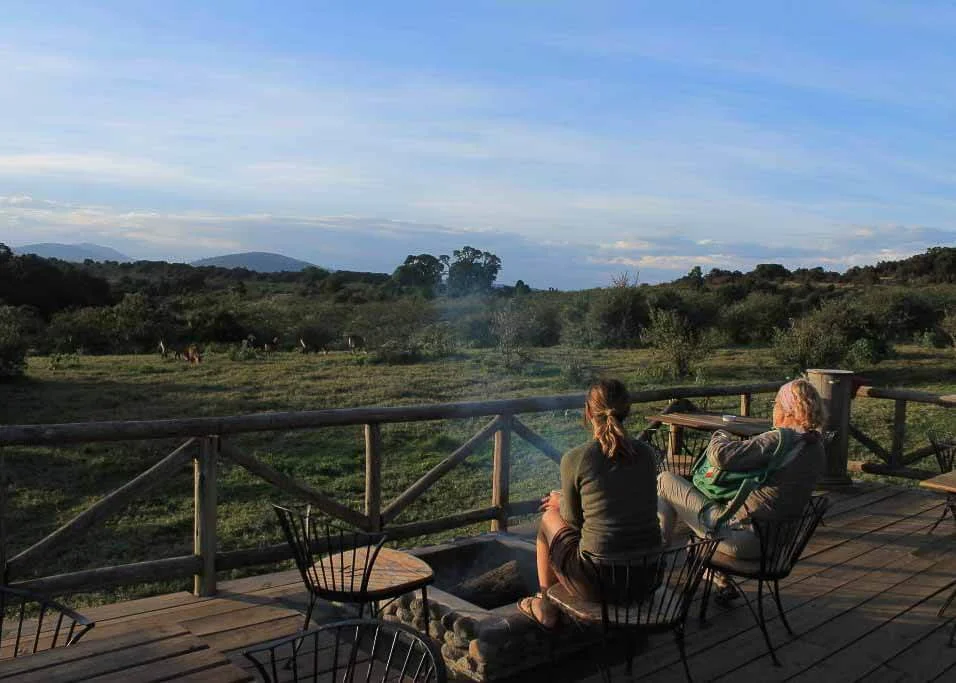

Tanzania offers some of Africa’s most iconic safari
experiences, blending dramatic wildlife spectacles with diverse landscapes and
cultural encounters. The Serengeti hosts the Great Migration, where millions of
wildebeest and zebras move across the plains in a cycle of life and survival.
The Ngorongoro Crater delivers fast-paced game drives with lions, elephants,
and the rare black rhino in a contained volcanic caldera. Tarangire National
Park showcases vast elephant herds among ancient baobabs, while Lake Manyara
adds unique treetop walks and tree-climbing lions. Beyond the northern circuit,
Ruaha and Mahale provide walking safaris and chimpanzee trekking in remote
wilderness. Hot air balloon rides, Maasai village visits, bush lunches, and
Zanzibar’s beaches complete the journey. Together, these experiences make
Tanzania one of the most rewarding safari destinations in the world.
1. Witness the Great
Migration in the Serengeti
The Great Migration is the biggest wildlife event on
the planet, and Tanzania's Serengeti is where most of the action happens. Over
1.5 million wildebeest and hundreds of thousands of zebras move across the
plains in a year-round loop, following rain and fresh grass. From December to
March, the herds gather on the southern plains for calving season, and
predators follow close behind. Between July and September, the animals move
north toward the Mara River, where dramatic crossings take place. You can watch
thousands of animals plunge into crocodile-filled water, and the tension is
real. The scale of this movement is hard to describe. You need to see it
yourself.
2. Descend into
the Ngorongoro Crater
The Ngorongoro Crater is a collapsed volcano that
now holds around 25,000 large animals within its walls. Because the animals
cannot leave, sightings happen fast. You can see lions, elephants, buffalo, and
zebras within the first hour of your drive. The crater is also one of the best
places in Tanzania to spot black rhino in the wild. The walls rise 600 meters,
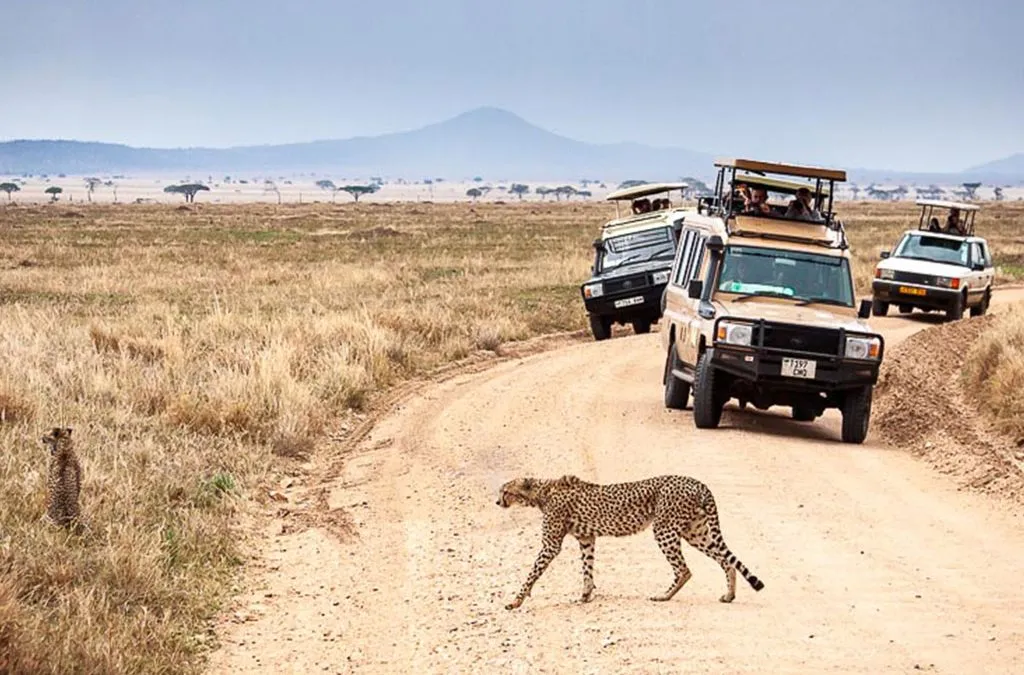
so you feel enclosed in a world of your own. Game drives are limited to marked
roads, which keeps things organized but can cause queues at lion sightings.
Stay on the rim and enter at dawn to avoid the crowds.
3. See Elephants
in Tarangire National Park
Tarangire holds Tanzania's largest elephant
population, with numbers around 2,500. During the dry season from June to
October, they gather along the Tarangire River in large herds. You can see
family groups with babies walking together, and some bulls have tusks so long
they almost touch the ground. The park is also filled with ancient baobab
trees, some over a thousand years old. These trees store water and attract
elephants during dry months. Tarangire gets fewer visitors than the Serengeti,
so you often have sightings to yourself. It is a strong stop on any northern
circuit safari.
4. Take a Hot
Air Balloon Safari
A balloon safari gives you a view of the plains that
you cannot get from a vehicle. You lift off at sunrise and float above the
Serengeti or Tarangire for about an hour. From above, you can see herds moving
across the land, rivers winding through the grass, and sometimes predators on
the hunt. The silence is striking because the balloon makes almost no noise.
After landing, you usually get a bush breakfast with champagne. It is
expensive, often over $500 per person, but many travellers say it was the
highlight of their trip. Book early because spots fill up fast.
5. Explore Lake
Manyara's Treetop Walkway
Lake Manyara is small but offers activities you will
not find in other Tanzanian parks. The treetop walkway is a suspended bridge
that takes you through the forest canopy. You walk above the ground and look
down at birds, monkeys, and sometimes elephants below. The park is also famous
for its tree-climbing lions, though sightings are not guaranteed. Canoe safaris
on the lake let you glide past hippos and flamingos without engine noise.
Manyara also allows night drives, which give you a chance to see civets,
porcupines, and genets after dark. It is a good first stop on the northern
circuit.
6. Visit a
Maasai Village
Cultural visits to Maasai communities add depth to
your safari. You can visit villages in the Ngorongoro Conservation Area or near
Tarangire. The Maasai still live traditionally, herding cattle and living in
small huts made of mud and sticks. You will be welcomed with songs and dancing,
and you can learn how they make fire and beadwork. Some visits feel more
authentic than others, so ask your operator which villages they work with.
These visits support local families through tourism income. Do not treat it as
a zoo; treat it as a real exchange. Ask questions and show respect.
7. Go Chimpanzee
Trekking in Mahale Mountains
Mahale Mountains National Park sits on the shores of
Lake Tanganyika and holds around 1,000 chimpanzees. This is one of the best
places in the world to see them in the wild. You trek through forest with
guides who have tracked these groups for decades. When you find them, you spend
an hour watching them eat, play, and interact. They are used to humans, so they
ignore you and go about their day. The park is only reachable by plane or boat,
which keeps crowds away. Combine it with time on the lake beach for a unique
Tanzania trip.
8. Take a
Walking Safari in Ruaha National Park
Ruaha is Tanzania's best-kept secret, and it offers
walking safaris that most parks do not allow. You leave the vehicle behind and
walk through the bush with an armed guide and ranger. You learn to read tracks,
identify plants, and notice small details you would miss from a car. You might
see elephants, buffalo, or even lions on foot, which is a completely different
feeling. The park is huge and receives few visitors, so it feels wild and
untouched. You can also do fly-camping, where you hike between mobile camps and
sleep in the bush. It is a real adventure.
9. Enjoy a Bush
Lunch or Sundowner
Eating in the bush is a simple activity that many
travellers remember. After a morning game drive, you stop at a designated spot
and eat a packed lunch while watching animals nearby. Some lodges set up tables
with real plates and chairs. Sundowners are even better: you stop for drinks as
the sun goes down, and the sky turns orange and red. It is a chance to relax
and talk about what you saw. Do not leave food unattended because animals will
take it. Follow your guide's instructions about where it is safe to stand or
sit.
10. Combine
Safari with Zanzibar Beaches
After days of early mornings and dusty roads,
Zanzibar offers a perfect ending. You can fly from Arusha or the Serengeti to
the island in about two hours. Zanzibar has white sand beaches, warm water, and
good snorkeling and diving. Stone Town is a UNESCO site with old buildings,
markets, and a complex history. You can also visit spice farms and learn how
vanilla, cloves, and cinnamon are grown. This mix of wildlife and beach makes
Tanzania a better value than a safari-only trip. You get two holidays in one.
Best time to go
for a Tanzania safari Experience
The best time for a Tanzania safari depends on what
you want to see, but the dry season from June to October gives you the most
dependable wildlife viewing across the northern parks. During these months,
rainfall is minimal, roads stay firm, and thin vegetation makes animals easier
to spot. Wildlife gathers around rivers and waterholes in the Serengeti,
Tarangire, and Ngorongoro Crater, so sightings come faster and you spend less
time driving between them. This is also when the Great Migration reaches the
northern Serengeti, with river crossings typically happening from July through
September.
The weather stays clear, which helps with photography and early morning drives. The trade-off is peak-season pricing and more vehicles at popular sightings, so book lodges and guides several months ahead.
If you want fewer crowds and lower rates, look at the short dry spell in
January and February, when the southern Serengeti hosts calving season and
predator activity rises, or the green season from November to December, which
brings rich birdlife and quiet game drives despite short afternoon rains. Avoid
March to May if you can, because the long rains turn access roads into mud, cut
visibility, and force many camps to close. For chimpanzee trekking in Mahale or
Gombe, the dry months from May to October work best because trails are easier
to navigate. Decide your priorities first, then match your dates to them.