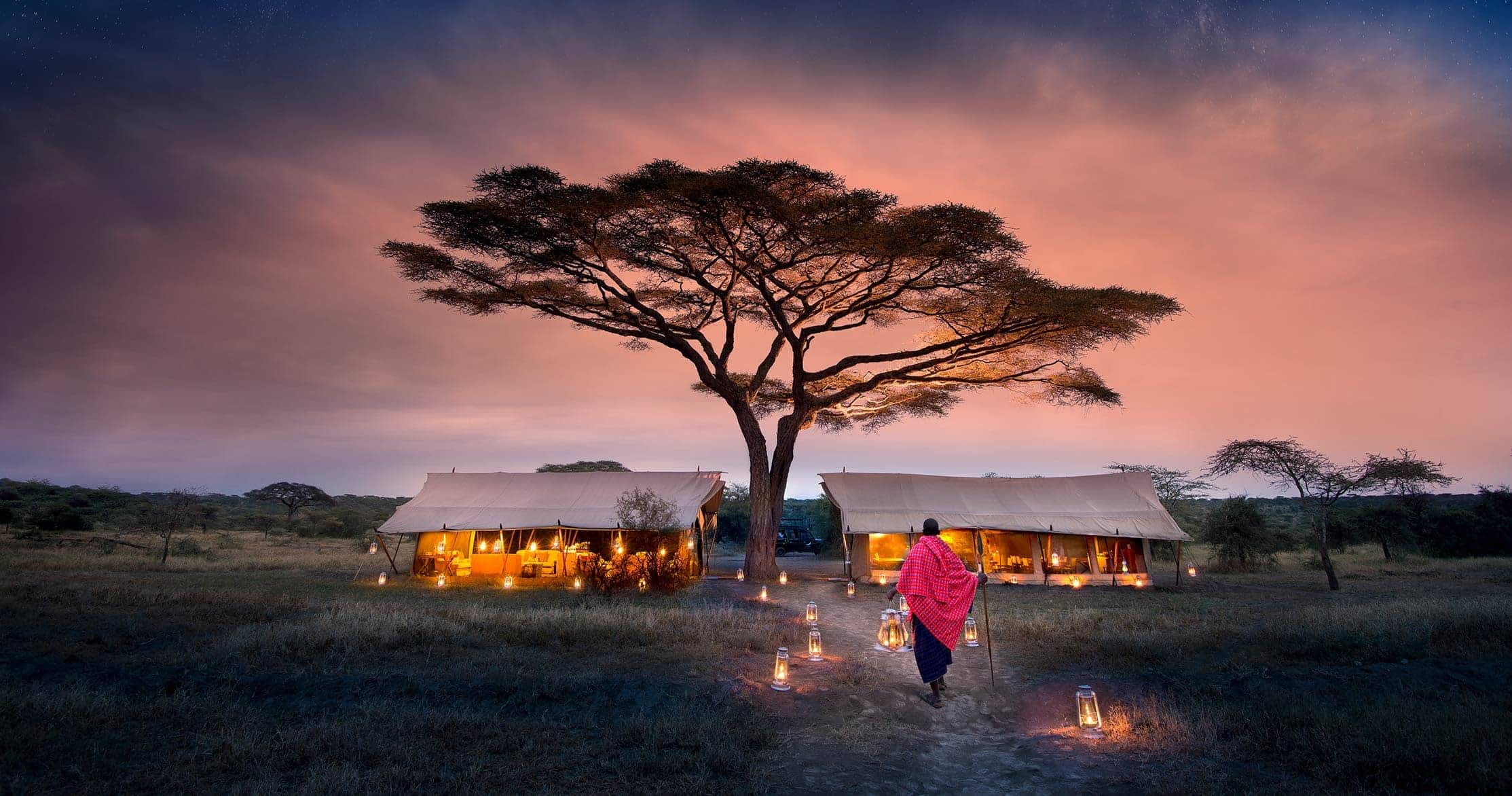

The Serengeti National Park is Tanzania’s most
iconic safari destination, renowned for its vast plains, diverse wildlife, and
dramatic seasonal spectacles. Covering nearly 15,000 square kilometers, it is
home to the legendary Great Migration, where millions of wildebeest, zebras,
and gazelles move across the ecosystem in search of grazing, creating one of
nature’s greatest shows. Beyond migration, Serengeti offers year-round
sightings of the Big Five, cheetahs, giraffes, and over 500 bird species.
Attractions such as the Seronera Valley, Moru Kopjes, and Mara River crossings
provide unforgettable experiences. Visitors can enjoy activities ranging from
game drives and hot air balloon safaris to cultural visits and bush dinners. As
a UNESCO World Heritage Site, Serengeti combines conservation, community
support, and adventure, making it a must-visit safari destination.
1. The Great
Migration
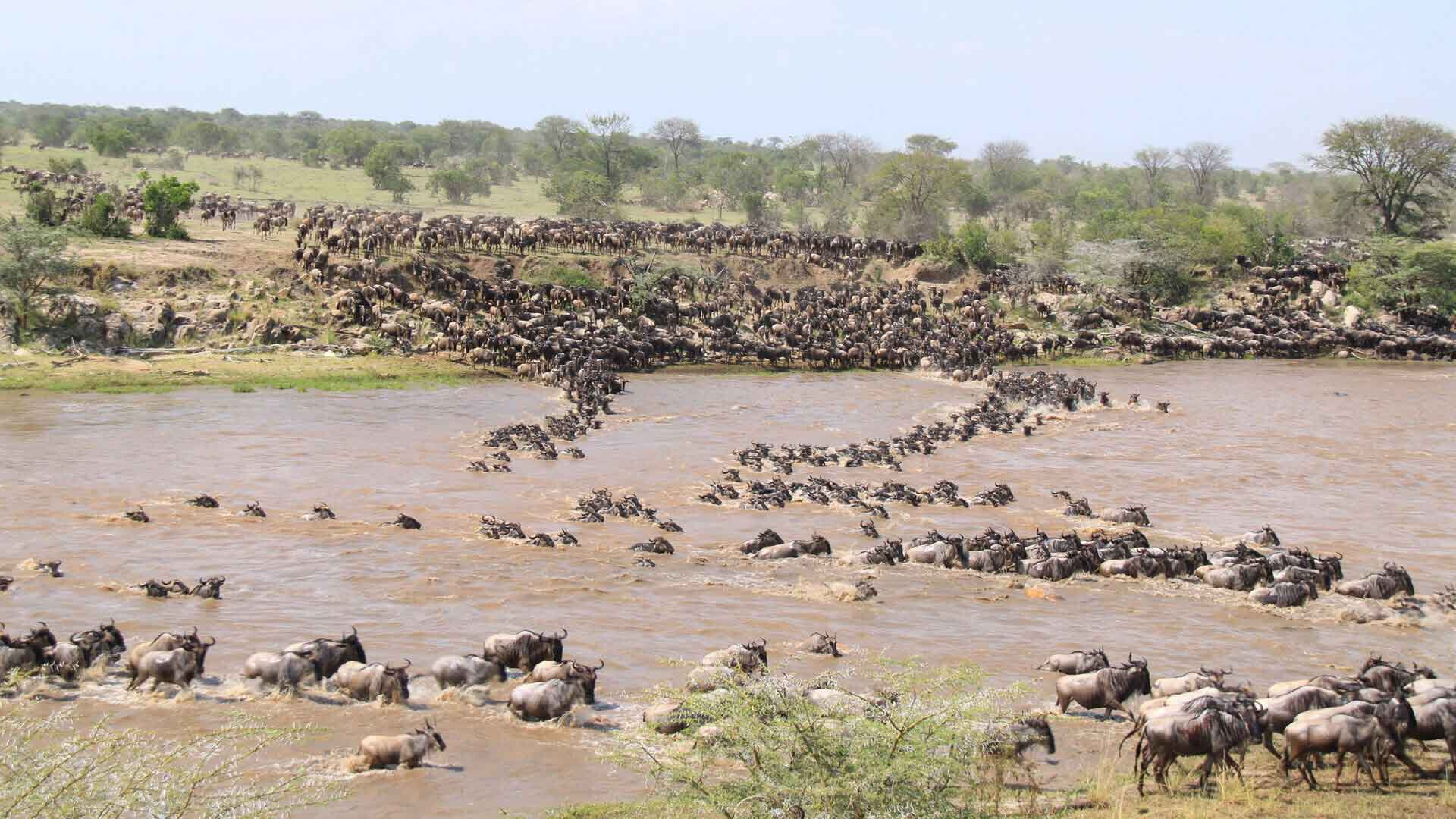
The Great Migration is Serengeti’s most famous
attraction, where over 1.5 million wildebeest, zebras, and gazelles move across
the plains in search of fresh grazing. This spectacle happens year-round, with
highlights such as calving season in the southern plains (January–March),
Grumeti River crossings (June), and Mara River crossings (July–September).
Travelers benefit from dramatic predator-prey interactions, crocodile-filled
rivers, and vast herds stretching across the horizon. Guides track herd movements
daily, ensuring guests maximize sightings. For photographers and wildlife
enthusiasts, the migration offers unmatched opportunities to capture survival
struggles and natural drama.
2. Seronera
Valley
Located in central Serengeti, Seronera Valley is
known for year-round wildlife viewing. Its river system attracts predators such
as lions, leopards, and cheetahs, making it one of the best places to see big
cats. Resident herds of elephants, giraffes, and buffalo ensure consistent
sightings, while birdlife adds variety. The valley’s accessibility makes it a
hub for safari activities, with lodges and camps nearby. For first-time
visitors, Seronera offers reliable game drives and strong chances of seeing
predator action. Its landscapes of savannahs and acacia trees provide classic
safari scenery, making it a must-see attraction.
3. Moru Kopjes
Moru Kopjes are rocky outcrops rising from the
plains, offering unique scenery and wildlife habitats. Lions often rest on the
rocks, while rhinos are occasionally seen nearby. The area is also home to
Maasai rock paintings, adding cultural interest. Kopjes provide shade and
shelter, attracting smaller mammals and birdlife. For travelers, Moru offers a
mix of wildlife viewing and cultural exploration. Its dramatic landscapes are
ideal for photography, while its location near central Serengeti ensures
accessibility. Guides highlight predator behavior around kopjes, making visits
both educational and exciting.
4. Grumeti River
The Grumeti River in western Serengeti is famous for
wildebeest crossings during June. Crocodiles wait in the waters, creating
dramatic survival struggles. The river also attracts elephants, hippos, and
birdlife, making it a diverse viewing area. Lodges nearby provide access to
crossings and predator activity. For travelers, Grumeti offers migration
highlights without the heavy crowds of Mara River. Its landscapes of riverine
forests and open plains add variety to safaris. Guides position guests safely
for viewing, ensuring memorable experiences.
5. Mara River
The Mara River in northern Serengeti is the stage
for dramatic crossings between July and September. Thousands of wildebeest and
zebras plunge into crocodile-filled waters, while predators stalk the banks.
This spectacle is one of Africa’s most intense wildlife events. Lodges near
Kogatende and Lamai provide access, though demand is high. For travelers, Mara
River offers unmatched migration drama, making it a must-see attraction. Its
rugged landscapes and predator activity add to the experience.
6. Ndutu Plains
Located in southern Serengeti, Ndutu Plains are
famous for calving season between January and March. Thousands of wildebeest
give birth, attracting predators such as lions, cheetahs, and hyenas. The open
plains make sightings easy and photography rewarding. Lodges nearby provide
access to herds and predator action. For travelers, Ndutu offers dramatic
wildlife interactions and quieter safaris compared to peak migration months.
Its landscapes of grasslands and lakes add variety, making it a strong attraction.
7. Retima Hippo
Pool
Retima Hippo Pool in central Serengeti is home to
large numbers of hippos, often seen wallowing together. Visitors can observe
their social behavior, from territorial disputes to playful interactions.
Crocodiles and birdlife add diversity to sightings. The pool is easily
accessible, making it a popular stop during game drives. For families and
photographers, Retima offers close views of hippos in natural settings. Its
location near Seronera ensures convenience, while its wildlife activity makes
it memorable.
8. Lobo Valley
Lobo Valley in northern Serengeti is known for
rugged landscapes and predator activity. Lions, leopards, and cheetahs are
often seen, while elephants and buffalo roam the area. During migration months,
herds pass through, adding drama. The valley’s scenery of hills and woodlands
provides variety for safaris. Lodges nearby offer access to both resident and
migratory wildlife. For travelers seeking less crowded areas with strong
predator sightings, Lobo Valley is a rewarding attraction.
9. Lake Ndutu
Lake Ndutu lies in the southern Serengeti, offering
scenic views and diverse wildlife. Flamingos and other bird species gather at
the lake, while wildebeest herds graze nearby during calving season. Predators
follow herds, ensuring dramatic sightings. Lodges around the lake provide
access to both wildlife and landscapes. For travelers, Lake Ndutu combines
birdwatching, predator action, and scenic photography. Its location makes it a
strong attraction during early months of the year.
10. Central
Serengeti Plains
The central Serengeti plains are iconic for their
endless horizons and abundant wildlife. Resident herds of elephants, giraffes,
and buffalo ensure year-round sightings, while predators such as lions and
cheetahs are common. The area is accessible, with lodges and camps nearby. For
travelers, central plains offer classic safari scenery and reliable game
drives. Its landscapes of grasslands and acacia trees provide variety for
photography. Guides highlight predator-prey dynamics, making visits both
educational and exciting.