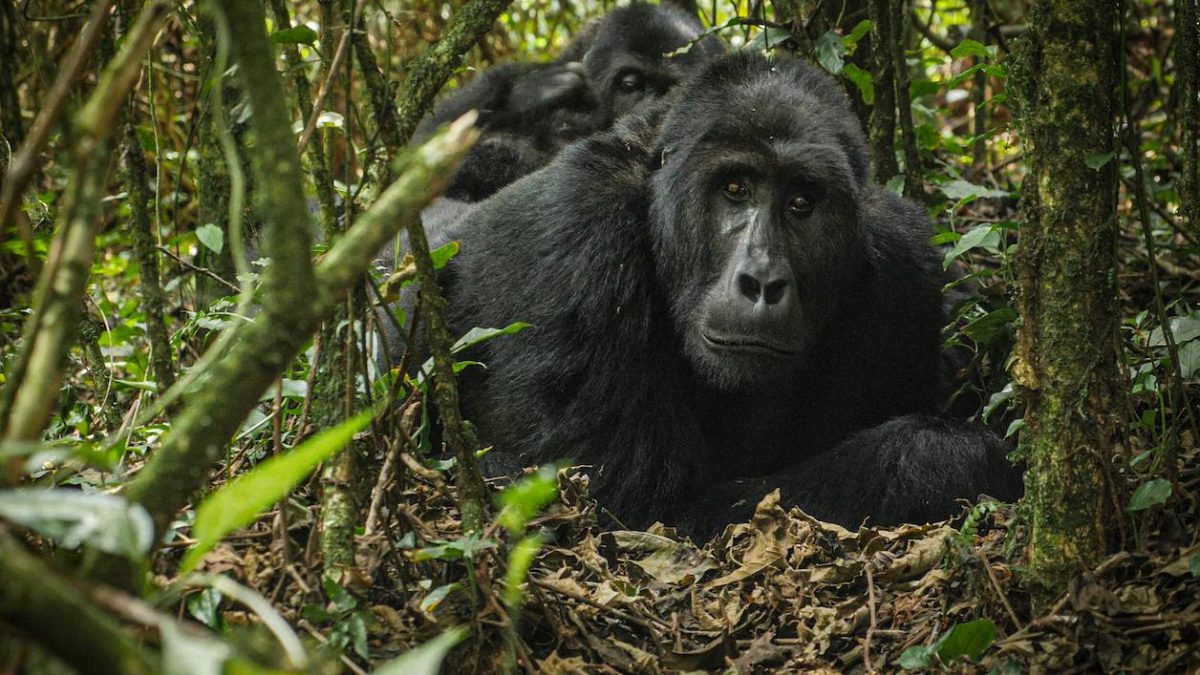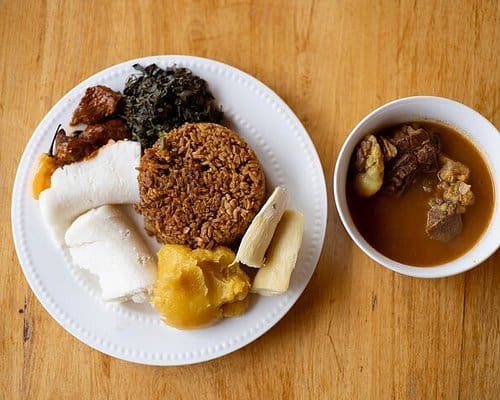

A safari in Rwanda is not only about exploring
national parks, spotting wildlife, and discovering breathtaking landscapes. It
is also an opportunity to experience the country's rich culinary traditions.
Rwandan cuisine features fresh vegetables, beans, bananas, sweet potatoes,
cassava, and other locally grown ingredients that reflect the country's
agricultural heritage. Whether you are visiting Kigali, exploring Volcanoes
National Park, or enjoying a wildlife adventure in Akagera National Park,
tasting traditional Rwandan dishes adds a special touch to your journey. Here
are 10 traditional Rwandan foods you should not miss on your Rwanda safari.
1. Ugali
Ugali is a popular staple food in Rwanda, prepared
by cooking maize flour with water until it forms a firm, dough-like
consistency. It is commonly served with vegetables, beans, meat, or fish. Its
simple preparation and filling nature make it a favorite in many Rwandan
households. During your safari, you can enjoy ugali at local restaurants and
traditional eateries. It is an excellent way to experience everyday Rwandan
food culture while enjoying a satisfying meal after a day of exploring the
country's beautiful landscapes.
2. Isombe
Isombe is one of Rwanda's most recognizable
traditional dishes, made from pounded cassava leaves cooked with ingredients
such as onions, groundnuts, and sometimes palm oil. The leaves are simmered
until tender, creating a rich and flavorful meal. Isombe is commonly served
with ugali, rice, or boiled plantains. Its distinctive taste and nourishing
ingredients make it a must-try for visitors interested in authentic Rwandan
cuisine. You can find this traditional dish in local restaurants and homes
throughout the country.
3. Ibihaza
Ibihaza is a traditional Rwandan dish made from
pumpkin cooked with beans. The pumpkin becomes soft and blends beautifully with
the beans, creating a hearty meal with a naturally sweet flavor. This dish
reflects Rwanda's agricultural traditions, as pumpkins and beans are widely
grown across the country. Ibihaza is often enjoyed as a main meal, especially
in rural communities. During your Rwanda safari, look for it at traditional
restaurants to experience a comforting dish that has been enjoyed by
generations.
4. Isambaza
Isambaza are small freshwater fish commonly
associated with Lake Kivu in western Rwanda. They are often fried until crispy
and served with plantains, potatoes, or other accompaniments. Their distinctive
flavor makes them especially popular in lakeside towns such as Rubavu and
Karongi. If your safari includes a visit to Lake Kivu, tasting freshly prepared
isambaza is a wonderful way to experience the region's food culture. Enjoying
these small fish alongside scenic lake views creates a memorable culinary
experience during your Rwandan adventure.
5. Brochettes
Brochettes are grilled meat skewers commonly enjoyed
across Rwanda. They are traditionally prepared using goat meat, beef, or other
available meats, seasoned and grilled over charcoal. Some restaurants also
serve fish brochettes. These skewers are popular in local restaurants, roadside
eateries, and evening dining spots. They are often accompanied by chips,
roasted potatoes, or vegetables. After a day of wildlife viewing or sightseeing,
enjoying freshly grilled brochettes offers a delicious introduction to Rwanda's
casual dining culture.
6. Ibirayi
Ibirayi, meaning potatoes in Kinyarwanda, are a
familiar part of Rwandan cuisine. Potatoes may be boiled, roasted, fried, or
prepared as part of a larger meal. In Rwanda's cooler highland areas, potatoes
are widely cultivated and commonly served alongside beans, vegetables, meat, or
sauces. Their versatility makes them a popular choice for both everyday meals
and restaurant menus. During your safari, you may encounter different potato
preparations depending on the region and establishment you visit.
7. Ibishyimbo
Ibishyimbo, or beans, are an important staple in
Rwanda and a valuable source of protein. They are usually cooked with onions, tomatoes,
and other seasonings to create a thick, flavorful stew. Beans are commonly
served with rice, ugali, sweet potatoes, or cassava. They are enjoyed in homes,
local markets, and restaurants throughout the country. For travelers seeking a
traditional, satisfying, and often budget-friendly meal, Rwandan beans are an
excellent choice. Their popularity also reflects the importance of locally
grown crops in the country's food culture.
8. Matoke
Matoke is a dish made from cooking green bananas
until they become soft and tender. Depending on the preparation, the bananas
may be steamed, boiled, or cooked with other ingredients. Matoke is commonly
served with beans, meat, vegetables, or sauce. Although it is also popular in neighboring
East African countries, it forms part of Rwanda's traditional food culture.
During your safari, try matoke at a local restaurant to appreciate how this
versatile crop is incorporated into everyday Rwandan meals.
9. Akabenz
Akabenz is a popular Rwandan pork dish, usually
prepared by frying pieces of pork until they are golden and crispy. It is
particularly well known in urban dining establishments and is often served with
chips, fried plantains, or other accompaniments. The dish has become a favorite
among people looking for a flavorful, casual meal. If you eat pork, consider
trying akabenz during your stay in Kigali or another town. It offers a taste of
contemporary Rwandan dining alongside the country's more traditional
home-cooked dishes.
10. Igikoma
Igikoma is a traditional porridge commonly prepared
from ingredients such as sorghum or maize flour, depending on the recipe. It is
generally cooked with water until it reaches a smooth or thick consistency.
Porridge has long been part of everyday food traditions in Rwanda and may be enjoyed
for breakfast or as a nourishing snack. Some preparations use additional
ingredients to enrich the flavor and nutritional value. Trying igikoma gives
visitors a glimpse into Rwanda's traditional eating habits and the importance
of locally cultivated grains.
Exploring Rwanda through its traditional foods is a
rewarding way to connect with the country's culture, people and agricultural
heritage. From the rich flavors of isombe and ibihaza to the grilled goodness
of brochettes and the crispy taste of isambaza, each dish offers a different
culinary experience. As you plan your Rwanda safari, make time to visit local
restaurants and sample regional specialties alongside your wildlife adventures.
Whether you are trekking to see mountain gorillas, exploring Akagera National
Park, or relaxing beside Lake Kivu, traditional Rwandan cuisine will add
another memorable dimension to your journey. A true Rwanda adventure is not complete
without discovering the flavors that make the country unique.