
Gorilla trekking is a unique wildlife experience
that brings visitors close to endangered mountain gorillas in their natural
habitat. However, meeting these gentle giants requires more than having a
trekking permit and good hiking equipment. Tourists must understand how to
behave around the gorillas, respect their environment and follow the
instructions provided by park rangers.
Mountain gorillas are vulnerable to human diseases
and can be disturbed by inappropriate behavior. For this reason, strict
guidelines are followed throughout the trekking experience. Knowing what to do
and what to avoid helps protect the gorillas while making your encounter safe,
comfortable and enjoyable. Here are the essential dos and don'ts every tourist
should understand before going gorilla trekking.
Essential Dos of
Gorilla Trekking
Listen to Your Guide and Follow All Instructions. Always
pay attention to the briefing provided by park rangers before the trek and
follow their instructions throughout the experience. Rangers understand gorilla
behavior, forest conditions and how to approach different gorilla families.
They will explain how to behave when you encounter the gorillas, where to
stand, and what to do if a gorilla approaches you. Never ignore their
instructions or attempt to do something independently, as this can put both you
and the gorillas at risk.
Maintain the Recommended Distance from Gorillas. Keep
at least 7 meters away from the gorillas, or maintain the distance currently
directed by your ranger. This guideline helps minimize the transmission of
human diseases to gorillas, which have immune systems that can be vulnerable to
common human infections. It also gives the animals enough space to move freely
without feeling threatened. If a gorilla approaches your group, do not attempt
to touch it or move closer for photographs. Follow your guide's instructions
and remain calm.
Wear Appropriate Clothing and Trekking Shoes. Gorilla
trekking takes place in dense tropical forests with steep slopes, thick
vegetation, muddy trails and unpredictable weather. Wearing the right clothing
makes the hike more comfortable and protects you from scratches, insect bites,
and rough vegetation. Choose long-sleeved shirts, long trousers, waterproof
hiking boots with good grip and gardening gloves to protect your hands when
holding vegetation. A lightweight rain jacket is also important because rain
can occur even during the drier months.
Carry Enough Drinking Water and Energy Snacks. The
time required to locate a gorilla family varies depending on its movements and
location. Some treks take a few hours, while others can involve longer hikes
through challenging terrain. Carry enough drinking water to stay hydrated and
light energy snacks to maintain your strength during the trek. Keep your snacks
inside your backpack and only eat them in designated areas away from the
gorillas. Avoid leaving any food wrappers or rubbish in the forest.
Keep Your Voice Low When Near the Gorillas. When you
approach a gorilla family, maintain a quiet environment and avoid unnecessary
conversations. Loud noises, shouting, and sudden sounds can disturb the animals
and affect their natural behavior. Speak softly if you need to communicate with
other visitors or your guide. This also allows you to enjoy the experience
better by listening to the sounds of the forest and observing how the gorillas
interact with one another.
Take Photographs Responsibly. Photography allows you
to preserve memories of your gorilla trekking experience. However, it is
important to photograph the animals without disturbing them. Switch off your
camera flash before reaching the gorilla family because flash photography is
prohibited. Avoid sudden movements, pushing through other visitors or getting
closer to the gorillas just to capture better pictures. Listen to your guide
and enjoy the encounter rather than concentrating entirely on your camera.
Maintain Proper Hygiene Before the Trek. Good
hygiene is important because mountain gorillas can contract several diseases
from humans. Wash or sanitize your hands before entering the forest as
instructed by your guides. If you have symptoms such as a cough, flu, fever or
other contagious illness, inform your tour operator or park authorities before
the trek. Visitors who are sick may be required to postpone or avoid trekking
to protect the gorillas from possible infections.
Carry Your Rubbish Back After the Trek. Keep the
forest clean by carrying all your waste back with you. Plastic bottles, food
wrappers, tissues, and other rubbish should never be left along the trekking
trails. Such materials can pollute the gorilla habitat and potentially harm
wildlife. Carry a small waste bag in your backpack and dispose of everything
properly after leaving the forest. Responsible tourism begins with respecting
the environment you have come to explore.
Essential Don'ts
of Gorilla Trekking
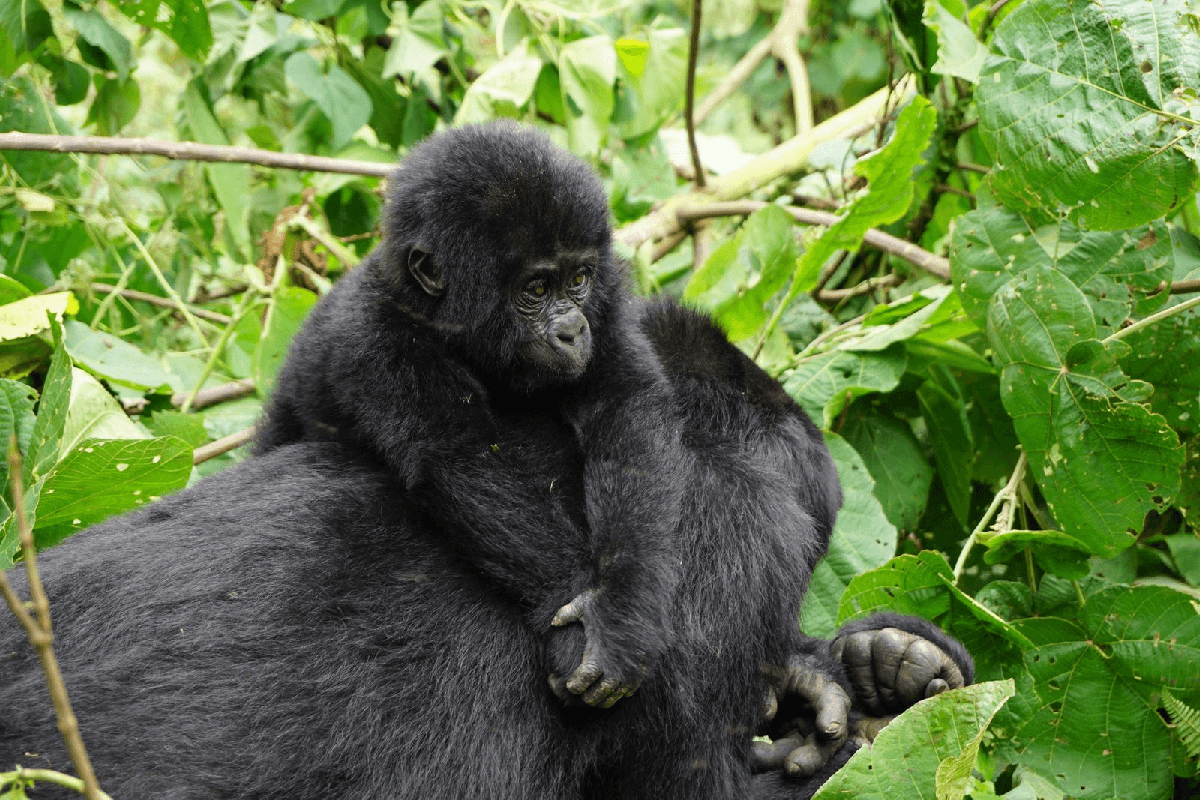
Do Not Touch, Feed or Attempt to Play with Gorillas.
Even though mountain gorillas may appear comfortable around visitors, they
remain wild animals. Never attempt to touch, feed, or play with them, including
young gorillas. Physical contact can expose them to human infections and may
also provoke an unexpected reaction. If a young gorilla approaches your group,
remain calm and allow your ranger to guide you on what to do. Remember that the
purpose of gorilla trekking is to observe these animals in their natural
environment, not interact with them physically.
Do Not Go Gorilla Trekking When You Are Sick. Avoid
trekking when you have a contagious illness, particularly respiratory
infections such as flu and cough. Mountain gorillas share many diseases with
humans and can become seriously ill after exposure to certain infections. Even
a common cold that causes mild symptoms in humans can pose a health risk to
gorillas. Inform your tour operator or park authorities if you become unwell
before your trekking date. Following this guideline helps protect the gorillas
and supports responsible wildlife tourism.
Do Not Eat, Drink or Smoke Near the Gorillas.
Eating, drinking and smoking are not allowed during the gorilla encounter. Food
can attract the animals and encourage unwanted interactions, while discarded
food remains can affect their natural environment. Smoking is also prohibited
because it introduces unnecessary disturbance and potential health risks. If
you need to drink water or eat something during the hike, ask your ranger to
identify an appropriate place away from the gorillas.
Do Not Use Flash Photography. Never use flash when
photographing mountain gorillas. Sudden bright flashes can disturb the animals
and interfere with their natural behavior. Before entering the forest, check
your camera and smartphone settings to ensure the flash is disabled. You can
still take beautiful photographs using natural light, provided you follow the
park's photography guidelines and avoid disturbing the animals.
Do Not Shout, Run, or Make Sudden Movements. Avoid
shouting, screaming, running, or making unnecessary movements when you are near
the gorillas. Such behavior can make them uncomfortable or cause unnecessary
tension during the encounter. If a gorilla displays intimidating behavior, such
as chest beating, vocalizing or moving towards your group, do not panic or
attempt to run away. Remain calm, avoid sudden movements and follow your
ranger's instructions.
Do Not Make Direct Eye Contact If a Gorilla Displays
Aggression. Although observing gorillas is part of the experience, prolonged
direct eye contact may be interpreted as a challenge in certain encounters. If
a gorilla displays aggressive or dominant behavior, avoid staring directly at
it. Remain calm, follow your guide's instructions and adopt the recommended
submissive posture if instructed. Never attempt to challenge or confront a
gorilla.
Do Not Leave Your Assigned Trekking Group. Always
remain with your assigned group and follow your ranger throughout the trek. The
forest is dense and trails can be difficult to navigate, making it easy to lose
your way if you wander independently. Staying together also allows rangers to
manage the encounter and ensure that visitors follow the required regulations.
Do not attempt to follow gorillas or move away from the group to get a better
view.
Do Not Exceed the Allowed Viewing Time. During
standard gorilla trekking, visitors are allowed a maximum of one hour with the
assigned gorilla family after locating it. This time limit helps reduce human
disturbance and gives the gorillas an opportunity to continue their natural
activities. Do not attempt to extend the encounter or remain behind after your
guide signals that it is time to leave. Follow the ranger's instructions and
leave the forest as directed.
What Should You
Do If a Gorilla Charges?
Seeing a mountain gorilla charge can be frightening,
especially for first-time visitors. However, gorilla displays such as chest
beating, loud vocalizations, ground slapping and mock charges are often forms
of communication or dominance rather than attempts to attack.
If a gorilla charges or approaches aggressively,
remain calm and do not run away. Avoid sudden movements, lower your gaze and
follow your ranger's instructions. Depending on the situation, your guide may
advise you to crouch or adopt a submissive posture. Never attempt to touch,
challenge, or confront the animal. Rangers are trained to understand gorilla behavior
and will guide visitors through such encounters.
A successful gorilla trekking experience depends on
preparation, patience and respect for wildlife. Understanding the essential dos
and don'ts helps tourists know how to behave before, during and after meeting
the gorillas. From wearing appropriate clothing and maintaining a safe distance
to avoiding physical contact and respecting viewing time, every guideline
serves an important purpose. Remember that you are visiting the natural home of
endangered mountain gorillas. Respect their space, follow your ranger's
instructions, and avoid any behavior that could disturb them. This way, you can
enjoy a memorable encounter while contributing to the protection and
conservation of mountain gorillas.
Ready to plan your next
African safari adventure? Contact Zoophilist
Adventures and Safaris for tailor-made gorilla trekking, wildlife safaris,
chimpanzee tracking, and cultural tours across Uganda, Rwanda, Kenya, and
Tanzania.
📧 Email: info@primatetrekkingsafaris.com
mailto:zoophilistadventures@gmail.com
📞
Phone/WhatsApp: +256 760779592
Visit our official
website for more information https://primatetrekkingsafaris.com/.
Zoophilist Adventures and Safaris specializes in personalized safari
experiences, offering expert guidance and carefully crafted itineraries for
unforgettable African wildlife encounters