
Rwanda is a beautiful destination known for its
mountain gorillas, stunning landscapes, national parks and welcoming people.
Beyond its wildlife attractions, the country offers fascinating cultural
experiences that allow visitors to discover its history, traditions, food,
music, art and everyday way of life. A cultural tour in Rwanda takes you closer
to local communities, where you can watch traditional dances, visit historical
sites, learn traditional crafts and enjoy authentic Rwandan meals. Whether you
are exploring Kigali, visiting the former royal capital of Nyanza or travelling
to Musanze, there are many opportunities to experience Rwanda's rich cultural
heritage. Here are some of the best cultural experiences to enjoy on a Rwanda
safari.
1. Visit the
Iby'Iwacu Cultural Village
Located near Volcanoes National Park in Musanze,
Iby'Iwacu Cultural Village is one of the best places to experience traditional
Rwandan culture. The village, also known as Gorilla Guardians Village, provides
visitors with an opportunity to learn about traditional lifestyles, customs and
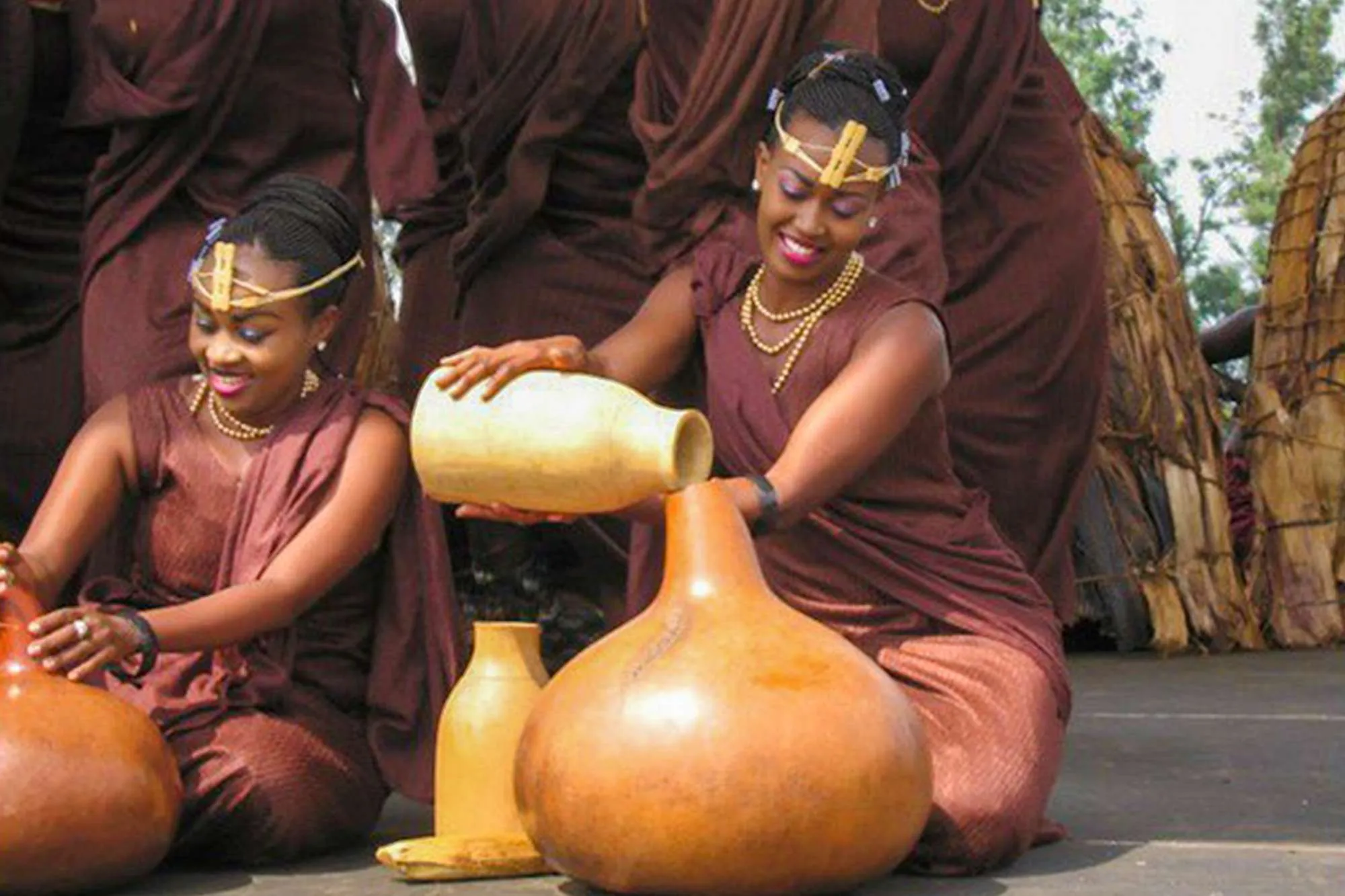
community activities. During your visit, you can enjoy traditional dance
performances, listen to local storytelling, learn about traditional medicine
and discover how people prepared food in earlier times. You may also
participate in activities such as traditional archery and banana beer
preparation. It is a wonderful cultural experience to combine with gorilla
trekking in Volcanoes National Park.
2. Experience
Traditional Intore Dance
Traditional Intore dancing is one of Rwanda's most
fascinating cultural performances. Historically associated with the royal
court, the dance was performed by trained warriors and is recognized for its
energetic movements, high jumps and rhythmic performances. During the
performance, dancers wear traditional costumes, decorated headdresses and carry
symbolic spears. Accompanied by traditional drumming and singing, the
performance tells stories of bravery, unity and Rwandan heritage. Visitors can
enjoy Intore dance performances at cultural villages, museums and selected
cultural events. It is an excellent opportunity to appreciate Rwanda's
traditional music and performing arts.
3. Explore the
King's Palace Museum in Nyanza
The King's Palace Museum is an important historical
attraction that introduces visitors to Rwanda's traditional monarchy. Located
in Nyanza, the former royal capital, the museum features a reconstruction of
the traditional royal residence, designed in a distinctive beehive shape. Inside
the palace, visitors learn about the country's former kings, royal traditions
and traditional leadership. You can also see the long-horned Inyambo cattle,
which were highly valued in the royal kingdom. Their traditional keepers sing
to them as part of preserving their cultural heritage. A visit to the King's
Palace Museum is a great way to understand Rwanda's royal history and
appreciate its traditional way of life.
4. Visit the
Ethnographic Museum in Huye
The Ethnographic Museum is another excellent
destination for travelers interested in Rwanda's history and traditions.
Located in Huye in the Southern Province, the museum houses an impressive
collection of cultural and historical objects. Visitors can explore traditional
clothing, agricultural tools, musical instruments, household items, pottery and
other objects that explain how Rwandans lived in earlier times. The exhibitions
also provide information about traditional architecture, crafts and social organization.
It is an educational experience that helps visitors understand how Rwandan
culture has developed over the years.
5. Learn
Traditional Basket Weaving
Basket weaving is an important traditional craft in
Rwanda, with the beautifully designed Agaseke baskets being among the country's
most recognized handicrafts. These baskets are traditionally associated with
peace, unity, hospitality and gift-giving. During a cultural visit, you can
meet local women who practice basket weaving, observe how they prepare
materials and learn how different patterns are created. Some cooperatives also
offer visitors opportunities to participate in the weaving process. You can
purchase handmade baskets as souvenirs while supporting local artisans and
their communities.
6. Discover
Imigongo Traditional Art
Imigongo is a unique traditional Rwandan art form recognized
for its beautiful geometric patterns and raised designs. Traditionally, the
artwork was made using cow dung mixed with natural materials before being
decorated with contrasting colors, including black, white and ochre. Visitors
can discover Imigongo paintings in craft centers, galleries and local
cooperatives. You can learn about the techniques used to create the artwork and
appreciate the creativity behind its different patterns. Purchasing an Imigongo
painting is also a wonderful way to take home a piece of Rwanda's artistic
heritage.
7. Enjoy
Traditional Rwandan Food
Food is an important part of Rwandan culture, and
tasting local dishes is one of the best ways to experience the country's traditions.
During your visit, you can enjoy meals prepared using locally available
ingredients such as bananas, beans, sweet potatoes, cassava and vegetables. Some
popular dishes include Isombe, prepared using cassava leaves and brochettes,
which are grilled meat skewers commonly served in local restaurants. Other
traditional foods include Ugali, boiled bananas and sweet potatoes. Visitors
can also participate in local cooking experiences, where they learn how
traditional meals are prepared and enjoy sharing food with community members.
8. Experience
Umuganda Community Activities
Umuganda is a traditional community service activity
that demonstrates Rwanda's strong spirit of cooperation and collective
responsibility. It takes place on the last Saturday of every month, when
community members come together to participate in activities such as cleaning neighborhoods,
planting trees and improving public spaces. Visitors interested in
understanding modern Rwandan society can learn about the importance of Umuganda
and, where participation is permitted, join local community activities. It
offers a meaningful opportunity to experience how communities work together to
maintain their surroundings and support development.
9. Explore
Kigali's Local Markets and Craft Centers
A visit to Kigali's local markets provides an
exciting introduction to everyday Rwandan life. One of the most popular places
to explore is Kimironko Market, where visitors can find fresh produce, colorful
fabrics, handmade crafts, household products and locally made souvenirs. You
can also visit Caplaki Craft Village to discover traditional baskets, wooden
carvings, jewelry and other handmade products. These markets allow travelers to
interact with local traders, appreciate Rwandan craftsmanship and purchase
memorable souvenirs.
10. Visit the
Kigali Genocide Memorial
The Kigali Genocide Memorial is an important
historical and educational site that helps visitors understand the 1994
Genocide against the Tutsi. The memorial preserves the memory of the victims
and provides information about the events leading to the genocide, its impact
on Rwandan society and the country's journey towards reconciliation and
rebuilding. Visitors can explore the exhibitions, memorial gardens and
educational displays. It is a deeply moving experience that offers important
insight into Rwanda's recent history and the importance of peace, unity and
remembrance.
Best Time to
Enjoy Cultural Experiences in Rwanda
Rwanda's cultural experiences can be enjoyed
throughout the year because most museums, cultural villages, craft centers and
community activities operate in different seasons.
The dry seasons, from June to September and December
to February, are particularly convenient for combining cultural visits with
outdoor activities and wildlife safaris. During the rainy seasons, you can
still enjoy museums, traditional performances, cooking experiences and craft
workshops.
How to Get to
Rwanda's Cultural Attractions
Most cultural tours in Rwanda begin in Kigali, where
visitors can explore local markets, museums, art galleries and historical
sites. Kigali International Airport is the main entry point for international travelers.
From Kigali, you can travel to Nyanza to visit the
King's Palace Museum, Huye for the Ethnographic Museum or Musanze for the
Iby'Iwacu Cultural Village. Private safari vehicles and guided tours are
convenient ways to reach these destinations.
Rwanda offers more than gorilla trekking and
wildlife safaris. Its cultural attractions provide opportunities to understand
the country's royal history, traditional dances, local craftsmanship, food and
community life. From exploring the King's Palace Museum to learning basket
weaving and enjoying Intore performances, every experience introduces visitors
to a different part of Rwanda's identity. When planning your Rwanda safari,
consider adding cultural experiences to your itinerary. They will make your
journey more meaningful by connecting you with the country's people, traditions
and fascinating heritage.