
1.
Why Visit Rwanda for a Safari
Rwanda has become one of Africa’s
leading safari destinations because it combines wildlife, primates, culture,
and beautiful landscapes within a relatively small country. Travelers can move
between major attractions without spending long hours on the road. Known as the
"Land of a Thousand Hills," Rwanda offers mountain forests, savannah
parks, lakes, and thriving conservation areas. Visitors can track mountain
gorillas, see the Big Five, enjoy bird watching, and learn about the country’s
rich history and culture. The tourism infrastructure is well developed, making
travel comfortable and efficient. Rwanda appeals to first-time visitors as well
as experienced safari travelers looking for something different. Its strong
conservation efforts and commitment to sustainable tourism have helped make the
country one of the most respected safari destinations in Africa today.
2.
Volcanoes National Park
Volcanoes National Park is Rwanda’s
most famous safari destination and the center of gorilla trekking activities.
Located in the northwestern part of the country, the park protects several
mountain gorilla families that can be visited through guided trekking
excursions. The experience begins with a briefing before visitors enter the
forest alongside trained guides and trackers. Besides gorillas, the park is
home to golden monkeys, numerous bird species, and beautiful volcanic
landscapes. Hiking opportunities are also available for travelers interested in
exploring the surrounding mountains. The park plays a critical role in mountain
gorilla conservation and attracts visitors from around the world. For many
travelers, spending time with gorillas in Volcanoes National Park is the
highlight of their entire visit to Rwanda.
3.
Gorilla Trekking Experience
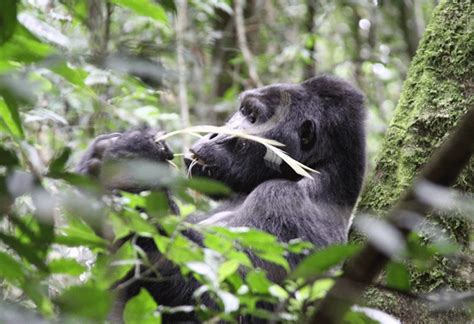
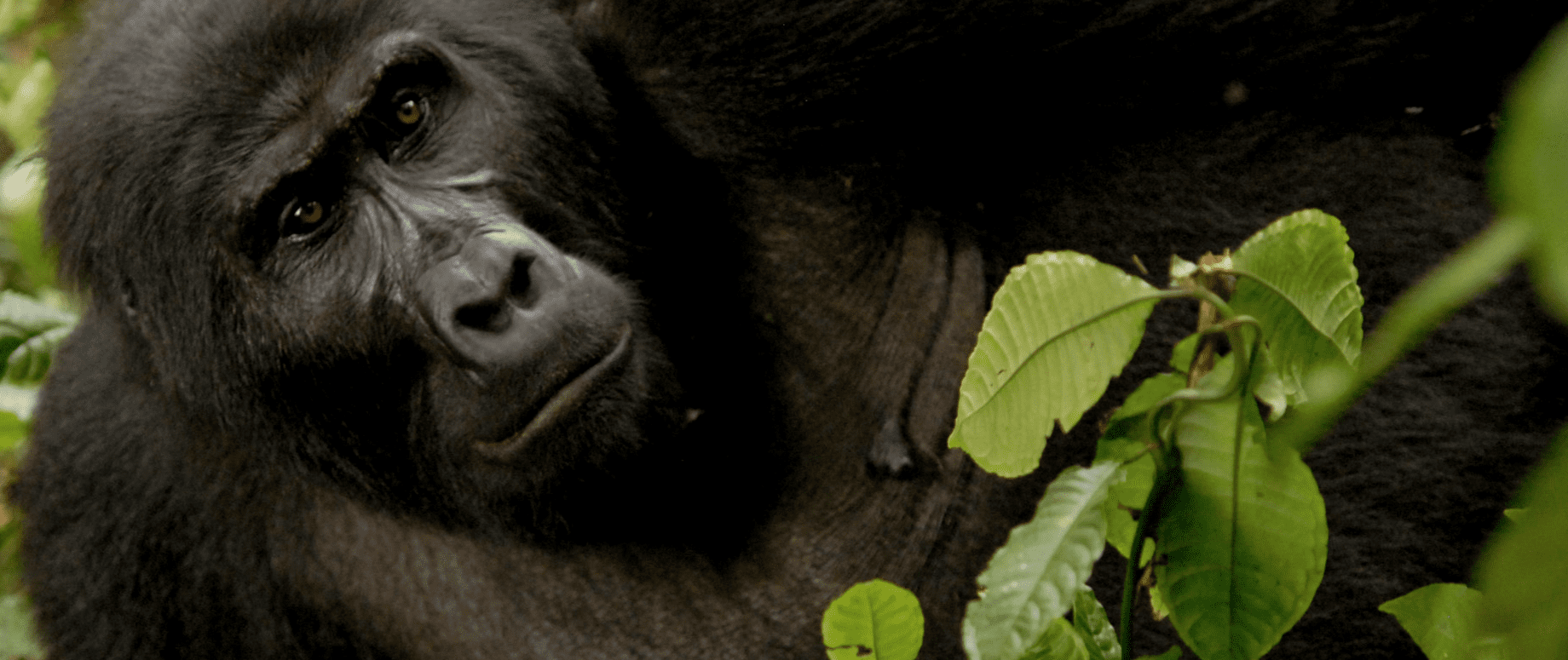
Gorilla trekking is the main reason
many travelers choose Rwanda as a safari destination. The activity involves
walking through forested slopes to locate a habituated gorilla family. Trekking
durations vary depending on the gorillas' location, but guides ensure visitors
receive detailed information about the gorillas and their habitat throughout
the experience. Once the gorillas are found, visitors are allowed one hour to
observe them. Watching gorillas interact, feed, groom, and care for their young
creates a memorable wildlife experience. Conservation fees from gorilla permits
contribute directly to protecting these endangered animals and supporting local
communities. Gorilla trekking requires a reasonable level of fitness, but the
reward of observing mountain gorillas in their natural environment makes the
effort highly worthwhile.
4.
Nyungwe Forest National Park
Nyungwe Forest National Park is one
of Africa’s oldest rainforests and a key destination for primate lovers. The
park is home to chimpanzees, colobus monkeys, mangabeys, and other primate
species. Chimpanzee tracking is the most popular activity, offering visitors
the chance to observe these intelligent animals in their natural habitat.
Guided nature walks, bird watching, and forest exploration are also available.
Nyungwe supports hundreds of bird species and a rich variety of plant life. The
park’s extensive trail network allows travelers to explore different habitats
while learning about rainforest ecosystems. For visitors interested in
biodiversity, conservation, and primate experiences beyond gorillas, Nyungwe
Forest National Park provides an excellent addition to any Rwanda safari
itinerary.
5.
Canopy Walk Adventure
One of the most unique activities
in Rwanda is the canopy walk experience in Nyungwe Forest National Park.
Suspended high above the forest floor, the canopy walkway offers visitors a
different perspective of the rainforest. From the elevated bridge, travelers
can observe forest vegetation, birds, monkeys, and dramatic views of the
surrounding landscape. The experience is suitable for many visitors and adds
adventure to traditional wildlife activities. Guides explain the forest
ecosystem and point out wildlife along the route. The canopy walk is often
combined with other activities such as chimpanzee tracking and nature walks.
This unique attraction has become one of Rwanda’s most popular tourism
experiences and appeals to travelers looking for something beyond conventional
safari activities.
6.
Akagera National Park
Akagera National Park is Rwanda’s
premier savannah wildlife destination and the best location to see the Big
Five. The park was successfully restored through conservation efforts and now
supports lions, elephants, buffalo, leopards, and rhinos. Visitors can enjoy
game drives across open plains, woodlands, and wetlands while spotting a wide
range of wildlife. The park’s varied habitats support giraffes, zebras,
antelope species, hippos, crocodiles, and numerous bird species. Akagera
provides a traditional African safari experience that complements Rwanda’s
primate-focused attractions. Its accessibility from Kigali also makes it
convenient for travelers with limited time. Including Akagera National Park in
a Rwanda safari creates a well-rounded itinerary that combines classic wildlife
viewing with primate adventures.
7.
Boat Safaris on Lake Ihema
Lake Ihema, located within Akagera
National Park, offers some of Rwanda’s best water-based safari experiences.
Boat safaris provide opportunities to observe hippos, crocodiles, water birds,
and wildlife along the shoreline. The slower pace of a boat trip allows
visitors to appreciate animal behavior and photography opportunities that may
be missed during traditional game drives. Bird watchers particularly enjoy
these excursions due to the large number of aquatic bird species present. The
lake forms an important part of Akagera’s ecosystem and attracts numerous
animals throughout the year. Boat safaris are often included as part of a
broader wildlife itinerary within the park. This activity adds variety and
helps visitors experience Rwanda’s wildlife from a different perspective.
8.
Kigali City Tour
Kigali is often considered one of
Africa’s cleanest and most organized cities. Many travelers spend a day
exploring the capital before or after their safari. Popular attractions include
the Kigali Genocide Memorial, local markets, art galleries, museums, and
cultural centers. A city tour provides valuable insight into Rwanda’s history,
recovery, and development over recent decades. Visitors can also enjoy local
restaurants and interact with residents while learning about contemporary
Rwandan life. Kigali serves as the country's main gateway and is conveniently
located for access to major safari destinations. Spending time in the city
helps travelers better understand Rwanda's culture and provides a meaningful
introduction before beginning wildlife and nature-based activities.
9.
Bird Watching Opportunities
Rwanda is an excellent
bird-watching destination, with more than 700 bird species recorded across its
diverse ecosystems. Volcanoes National Park, Nyungwe Forest, Akagera National
Park, and wetlands around the country provide excellent birding opportunities.
Bird watchers can search for Albertine Rift endemics, forest birds, water
birds, and migratory species throughout the year. Guided birding tours help
visitors identify species and understand habitat requirements. Because Rwanda’s
major birding destinations are relatively close together, it is possible to see
a wide range of species during a single trip. Bird watching complements other
safari activities and appeals to travelers seeking a broader wildlife
experience beyond mammals and primates.
10.
Cultural Experiences in Rwanda
Cultural tourism is an important
part of Rwanda’s safari experience. Visitors can participate in community
visits, traditional dance performances, craft workshops, and cultural center
tours. The Iby’Iwacu Cultural Village near Volcanoes National Park is particularly
popular because it introduces visitors to traditional customs, music, and local
history. Community tourism initiatives help generate income for local residents
while preserving cultural heritage. Travelers often gain a deeper appreciation
for Rwanda by interacting directly with local communities. These experiences
complement wildlife activities and contribute to a more balanced travel
itinerary. Cultural encounters allow visitors to learn about daily life,
traditions, and the role conservation plays in supporting local development
throughout the country.
11.
Lake Kivu and Relaxation
Lake Kivu provides a relaxing
alternative to wildlife-focused activities and is a popular stop on many Rwanda
itineraries. Located along Rwanda’s western border, the lake offers
opportunities for boat excursions, swimming, kayaking, fishing, and lakeside
relaxation. The towns of Gisenyi, Kibuye, and Cyangugu provide comfortable
accommodations and beautiful waterfront settings. Many travelers choose to
spend a few days at Lake Kivu after gorilla trekking or chimpanzee tracking.
The peaceful environment provides a welcome contrast to the physical demands of
forest activities. Visitors can also explore nearby islands and local
communities. Lake Kivu is an excellent destination for travelers looking to
combine safari experiences with leisure and scenic waterfront surroundings.
12.
Planning a Rwanda Safari
Planning a Rwanda safari begins
with deciding which activities and destinations best match your interests.
Travelers focused on gorillas often prioritize Volcanoes National Park, while
those interested in primates may include Nyungwe Forest. Akagera National Park
is ideal for traditional wildlife viewing, and Lake Kivu provides opportunities
for relaxation. Booking permits for gorilla trekking and chimpanzee tracking in
advance is highly recommended because demand can be high. Rwanda’s efficient
road network allows travelers to combine several destinations within a
relatively short timeframe. Working with experienced safari specialists helps
simplify logistics and ensures permits, accommodations, and transportation are
secured. With careful planning, Rwanda offers a complete safari experience that
combines wildlife, culture, nature, and conservation in one compact
destination.