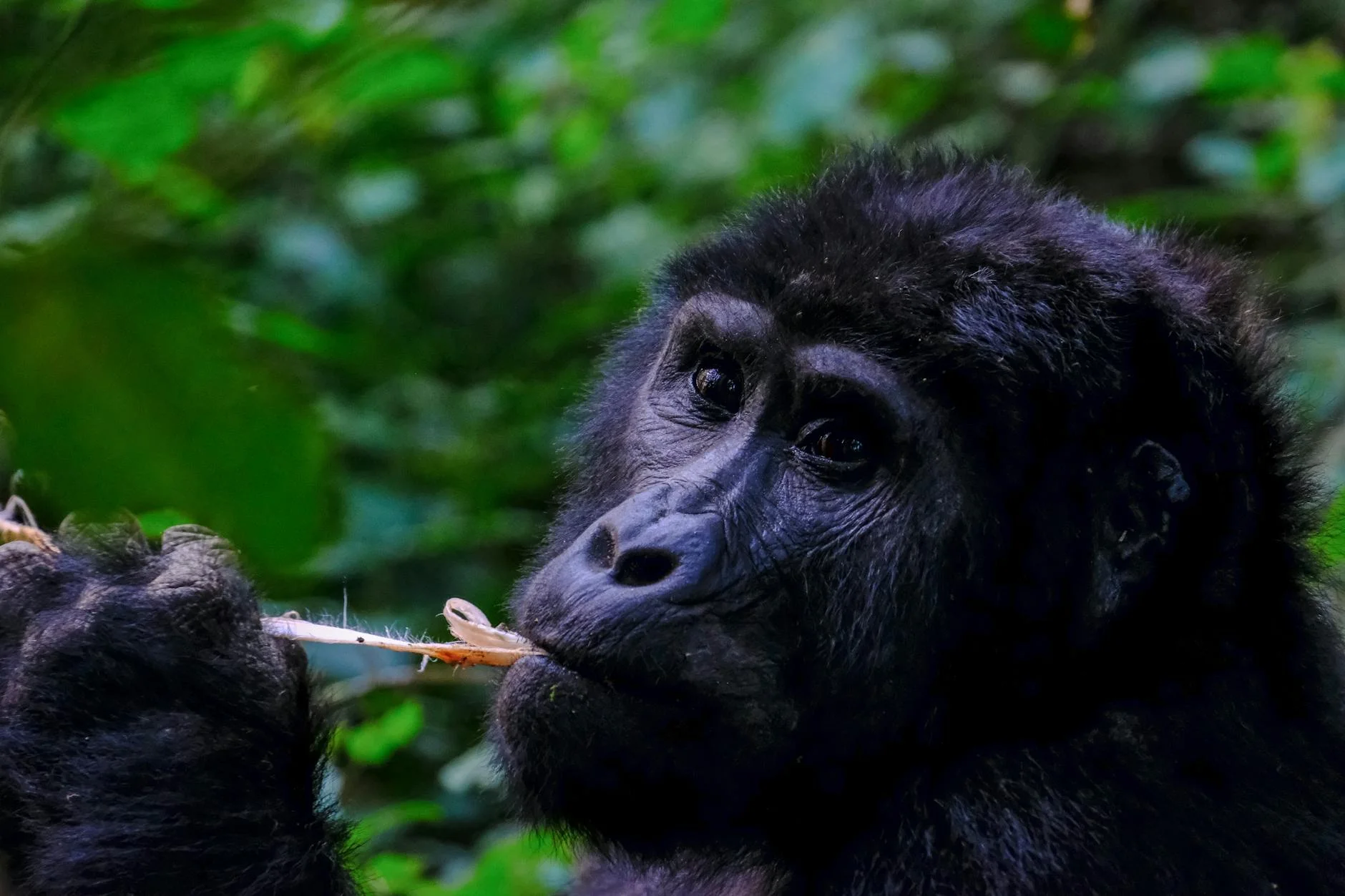

Gorilla trekking is one of Africa’s most sought
after wildlife experiences but it does not have to mean spending a fortune.
With careful planning, travelers can control their overall safari costs while
still enjoying time in the forest and seeing mountain gorillas in their natural
habitat. The key is to focus on the major expenses, choose practical
accommodation and transport options and plan the trip well in advance.
Choose the right
Destination
Your choice of destination has a major influence on
the cost of a gorilla safari. Uganda and Rwanda offer gorilla trekking experiences
while the Democratic Republic of Congo also has gorilla tourism in selected
areas. Comparing permit prices, accommodation, transport and other safari
expenses helps you choose an option that matches your budget. Uganda is particularly
attractive to budget conscious travelers because its gorilla permit is
generally lower than Rwanda’s. In 2026, a standard gorilla tracking permit in
Uganda costs US$800 for foreign non-residents, US$700 for foreign residents,
US$500 for visitors from the rest of Africa and UGX 300000 for east African
citizens.
Book your
Gorilla Permit Early
The gorilla permit is usually the largest single
expense on trekking safari, so it should be one of the first things you plan
for. Booking early gives you better chance of securing your preferred trekking
date and allows you to organize the rest of the trip around it. For travelers
on a tight budget, a standard gorilla trekking permit is more affordable than a
gorilla habituation experience. The standard trek provides the opportunity to
spend a limited period with a gorilla family while habituation offers a longer
experience at a higher cost.
Travel during
Less Busy Periods
Travelling outside the busiest periods may help
reduce accommodation and other safari expenses. Some Lodges and hotels
sometimes offer lower rates during quieter months giving budget travelers more
options. The wetter months may attract fewer visitors but rain can make forest
trails muddy and more challenging. If you choose this period, prepare with
waterproof clothing and suitable hiking boots.
Choose Budget
Friendly Accommodation
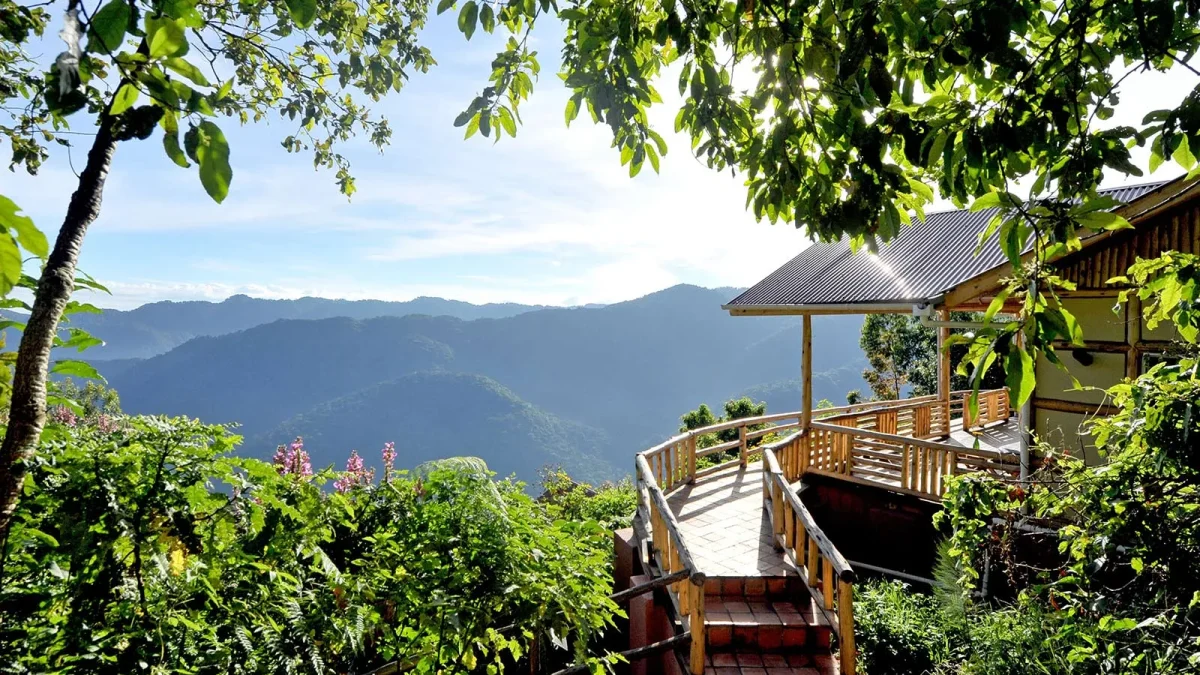
Accommodation does not have to be luxurious to make
your gorilla safari enjoyable. Areas around Bwindi Impenetrable National Park
and Mgahinga Gorilla National Park have accommodation ranging from luxury
lodges to midrange hotels and budget guest houses. A budget lodge with clean
rooms, meals and convenient access to the trekking starting point can save a
significant amount of money. Booking accommodation close to your trekking
sector also reduces transportation costs and makes it easier to arrive early on
the trekking morning.
Consider Group Travel
Joining a small group safari is one of the most
effective ways to reduce costs. Expenses such as vehicle hire, fuel, driver
guide services and sometimes accommodation can be shared among several
travelers. If you are travelling alone, ask a reputable tour operator whether
you can join an existing group heading to the same destination. This gives you
the benefits of organized transport without paying full cost of a private
safari.
Use Practical
Transport Options
Transport costs can quickly increase the total price
of a gorilla safari. Private transfers are convenient but they are usually more
expensive than shared transportation. Budget travelers should compare different
transport options before booking. If using public transport, arrange your route
carefully and consider hiring a local transfer for the final journey to the
park. A tour operator can also help combine transport, accommodation and
permits into one package.
Combine Gorilla
Trekking with Affordable Activities
A gorilla safari does not have to include several
expensive activities. You can combine trekking with affordable experiences such
as community walks, cultural visits, nature walks or sightseeing around the
region. For example, travelers visiting Bwindi can spend additional time
exploring local communities and enjoying the scenery instead of adding several
costly activities to the itinerary. In Mgahinga travelers may consider combining
gorilla trekking with other forest or cultural experiences depending on their
interests and budget.
Pack Carefully
Packing the right items helps you avoid unnecessary
purchases during the safari. Essential items include sturdy hiking boots, long trousers,
a long sleeved shirt, a waterproof jacket, gardening gloves, drinking water,
snacks, insect repellent, sunscreen, a hat and a small backpack. You do not
need expensive safari clothing or specialized equipment for a successful trek.
Focus on comfortable, durable items that protect you from rain, mud, insects
and dense vegetation.
Plan your Safari
in Advance
Last minute bookings often leave travelers with
fewer affordable accommodation and transport choices. Planning several months
ahead gives you time to compare prices and choose options that fit your budget.
Start by deciding your trekking date, then secure your gorilla permit. After
that, arrange accommodation, transportation and any additional activities. This
approach makes it easier to track your spending and avoid unexpected costs.
Work with a Reliable
Tour Operator
A reputable tour operator can help you organize the
major components of your safari and create an itinerary based on your budget.
Before booking, compare what different packages include. Check whether the
price covers the gorilla permit, accommodation, meals, transportation, park
fees and guide services. Do not automatically choose the cheapest package. A
very low price may leave out important services or involve additional charges
later. Look for a transparent package with clear inclusions and exclusions.
Set Aside Extra
Money for Unexpected Expenses.
Even a carefully planned safari may involve
additional costs. Set aside some money for tips, drinks, souvenirs, snacks,
emergency, transportation and other personal expenses. Having a small emergency
budget gives you more flexibility during the trip and prevents unexpected
expenses from disrupting your safari plans.
Compare Safari
Packages before Booking
Before booking your gorilla safari package, compare
several safari packages to find the option that offers the best value for your
budget. Do not focus only on the advertised price, check exactly what is
included in each package. Some packages include the gorilla permit,
accommodation, meals, transportation, park fees and a professional guide while
others may charge these separately. Also compare the quality and location of
accommodation, the type of vehicle provided and the number of days included in
the itinerary. A slightly more expensive package may offer better value if it
covers more essential services. Ask the tour operator about any additional
costs before making your booking so you have a clear idea of the total amount
you will spend.
Planning a gorilla safari on a budget is mainly
about making smart choices rather than cutting out the experience. Choose an
affordable destination, book your permit early, stay in practical accommodation,
share transportation where possible, travel during quieter periods and focus on
activities that fit your budget. With good preparation, you can experience gorilla
trekking while keeping your overall safari costs under control.