
Going on an African safari with children is a
wonderful opportunity for families to explore nature, discover wildlife and
create unforgettable memories together. From watching elephants and giraffes in
their natural habitats to enjoying exciting game drives across Africa's
national parks, children get the chance to experience the beauty of the
wilderness. However, travelling with children in wildlife destinations requires
proper preparation, close supervision and an understanding of safari safety
rules. Wild animals are unpredictable, weather conditions can change, and some
activities may be challenging for younger travelers. With the right planning,
family-friendly accommodation and guidance from experienced safari guides,
parents can ensure their children enjoy a safe, comfortable and memorable
African safari.
1. Choose
Family-Friendly Safari Destinations
Choosing the right destination is one of the most
important steps when planning a family safari. Not all national parks, lodges
and safari activities are suitable for young children. Parents should consider
destinations that offer family-friendly facilities, accessible transport,
comfortable accommodation and activities designed for different age groups.
Some safari lodges provide family rooms, children's menus, swimming pools and
special activities that introduce young travelers to nature and wildlife. It is
also important to consider the length of game drives and the availability of
medical facilities nearby. Destinations with experienced safari guides who
understand children's needs can make the experience safer and more enjoyable
for the entire family.
2. Always Follow
Your Safari Guide's Instructions
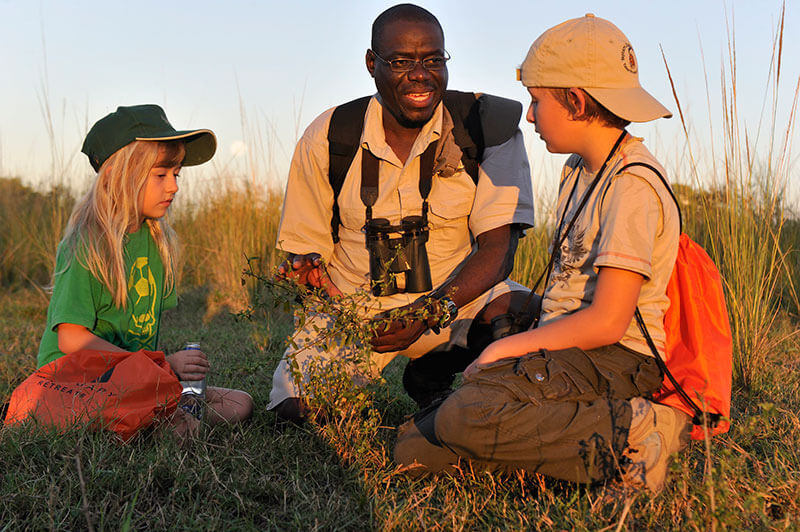
Safari guides are trained professionals who
understand wildlife behavior, animal movements and safety procedures in the
wilderness. Their knowledge is essential when exploring national parks and
wildlife reserves. Children should be encouraged to listen carefully to their
instructions and follow all safety guidelines throughout the trip. They should
never attempt to approach animals, leave the safari vehicle or make sudden
movements without permission from the guide. Parents should also explain why
following instructions is important before the safari begins. Whether watching
a pride of lions, a herd of elephants or buffaloes, listening to the guide
helps protect children and other visitors from unnecessary wildlife encounters.
3. Keep Children
inside the Safari Vehicle
During game drives, children should remain inside
the safari vehicle unless the guide identifies a safe, designated place where
visitors can get out. Wild animals such as lions, leopards, elephants and
buffaloes can move unexpectedly, even when they appear calm or are resting.
Allowing children to stand on seats, lean outside the windows or put their
hands outside the vehicle can expose them to unnecessary danger. Parents should
ensure children remain seated and use available seat belts while the vehicle is
moving. If the safari vehicle has a pop-up roof, children should follow the
guide's instructions when standing to observe wildlife. These simple
precautions allow children to enjoy excellent wildlife viewing without
compromising their safety.
4. Maintain
Close Adult Supervision
Children should always remain under adult
supervision throughout the safari. Even when staying at comfortable safari
lodges or luxury tented camps, parents should remember that some properties are
located in areas where wild animals move freely. Monkeys, baboons, elephants
and other animals may occasionally appear around accommodation facilities.
Children should never walk around lodges, campsites or outdoor areas alone.
Parents should accompany them when visiting swimming pools, restaurants,
gardens and other shared facilities. Before allowing children to play outside,
check the lodge's safety guidelines and ask staff about possible wildlife
movements. Close supervision helps prevent accidents and ensures children
understand how to behave in wildlife environments.
5. Pack a
Children's Safari First Aid Kit
Carrying a children's first aid kit is an important
part of preparing for an African safari. Some wildlife destinations are located
far from towns and medical facilities, making it useful to have basic medical
supplies available during the journey. Parents should pack plasters, antiseptic
wipes, children's prescribed medication, a digital thermometer and suitable
treatment for minor insect bites. If a child has allergies or requires regular
medication, ensure enough supplies are available for the entire trip. It is
also advisable to consult a healthcare professional before travelling about
recommended vaccinations, travel medication and other health precautions. Keep
the first aid kit in an easily accessible place and inform your safari guide if
a child requires special medical attention.
6. Protect
Children from the Sun and Insects
Children need extra protection from strong sunshine
and insect bites when exploring African safari destinations. Game drives,
nature activities and outdoor excursions can expose them to direct sunlight for
several hours. Parents should pack lightweight, comfortable clothing,
wide-brimmed hats and sunglasses to protect children from excessive sun
exposure. Apply suitable sunscreen before outdoor activities and reapply it
according to the product instructions. Encourage children to drink enough water
throughout the day to remain hydrated, especially during hot weather. Insect
protection is equally important, particularly in areas where mosquitoes and
other biting insects are common. Use child-appropriate insect repellent, dress
children in long-sleeved clothing when necessary and ensure they sleep under
mosquito nets where provided.
7. Choose Safe
and Comfortable Accommodation
Accommodation plays an important role in ensuring
children's safety during an African safari. Families should choose safari
lodges and camps that provide suitable facilities, comfortable family rooms and
safety measures for younger guests. Before making a reservation, ask whether
the property is fenced, whether wild animals can move through the grounds and
what arrangements are available for families with children. Parents should also
pay attention to swimming pool safety, balconies, staircases and outdoor
walking areas. At unfenced lodges, children should never move around without an
adult or lodge staff member where an escort is required. Choosing suitable
accommodation allows families to relax while ensuring children remain
comfortable and protected throughout their safari.
8. Observe
Wildlife from a Safe Distance
Seeing wild animals in their natural habitats is one
of the most exciting parts of an African safari. However, children must
understand that wildlife should always be respected and observed from a safe
distance. Animals such as elephants, lions, hippos and buffaloes can become
dangerous when they feel threatened, disturbed or approached too closely. Teach
children never to feed animals, throw objects at them, make loud noises to
attract their attention or attempt to touch them. During game drives, allow the
safari guide to determine the appropriate viewing distance and position the
vehicle safely. Parents should also explain that wild animals are not domestic
pets and should never be treated as such. Respecting wildlife helps protect
children while allowing animals to behave naturally.
9. Plan
Age-Appropriate Safari Activities
When travelling with children, it is important to
choose activities that match their ages, interests and physical abilities. Long
game drives may become tiring for younger children, so families should consider
shorter drives with breaks for resting, eating and stretching. Some
destinations offer boat cruises, nature experiences in designated safe areas,
cultural visits and educational wildlife activities that help children learn
about Africa's natural and cultural heritage. Before booking activities such as
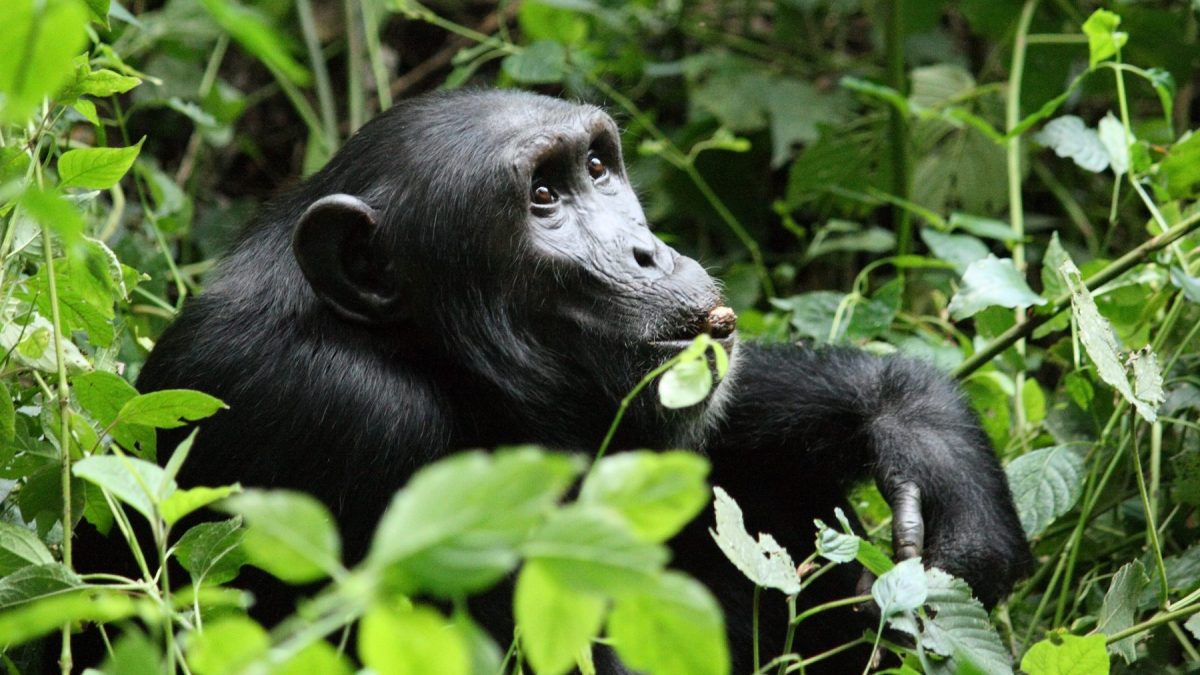
gorilla trekking, chimpanzee tracking or guided nature walks, check the minimum
age requirements and safety guidelines. For example, gorilla trekking in Uganda
and Rwanda generally has a minimum age requirement of 15 years, while
chimpanzee tracking in Uganda generally requires participants to be at least 12
years old. Choosing suitable activities ensures every family member enjoys the
safari comfortably and safely.
10. Carry Enough
Food, Water and Essential Supplies
Children may become hungry, thirsty or tired during
long journeys and game drives. Parents should therefore carry enough drinking
water, healthy snacks and essential supplies to keep them comfortable
throughout the safari. Pack items such as fruits, biscuits, sandwiches, wet
wipes, hand sanitizer, extra clothing and any personal medication children may
need. Having snacks available is particularly helpful when travelling between
national parks, where restaurants and shops may not be easily accessible.
Parents should also ensure children eat properly before long game drives and
take regular breaks whenever possible. Keeping essential supplies within easy
reach helps prevent unnecessary discomfort and allows children to enjoy the
different experiences without becoming exhausted.
Best Tips for a
Safe Family Safari
A successful family safari begins with proper
preparation and choosing a reliable safari operator. Before travelling, discuss
your children's ages, interests and special requirements with your tour
operator so that suitable destinations, accommodation and activities can be
arranged. Inform your safari guide that you are travelling with children and
follow the recommended safety procedures throughout the journey.
Parents should also explain basic wildlife safety
rules before the trip, helping children understand why they must remain inside
vehicles, avoid approaching animals and listen to their guides. Avoid planning
too many activities in one day, as children need enough time to rest, eat and
enjoy each experience without feeling rushed. Carry important travel documents,
emergency contacts and necessary medical information throughout the journey.
An African safari with children can be an exciting
family adventure filled with wildlife encounters, beautiful landscapes and
meaningful cultural experiences. From watching elephants in national parks to
discovering different bird species and learning about conservation, children
have many opportunities to appreciate Africa's natural beauty. However, their
safety should always come first. Choosing family-friendly destinations, booking
suitable accommodation, following your safari guide's instructions and
maintaining close supervision are essential for a successful trip. With proper
preparation and responsible travel practices, families can explore Africa's
wilderness confidently while creating wonderful memories that children will
treasure for years to come.