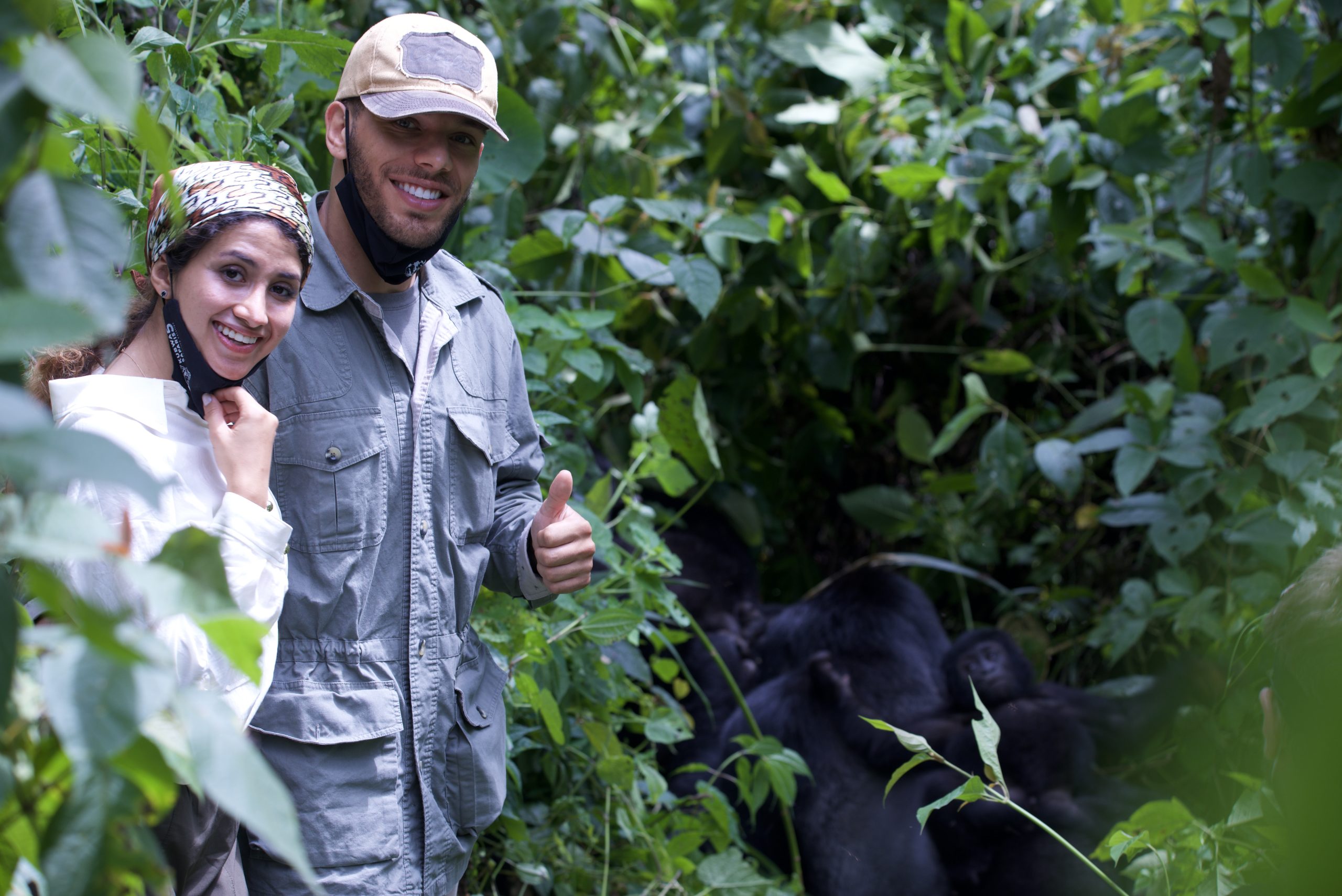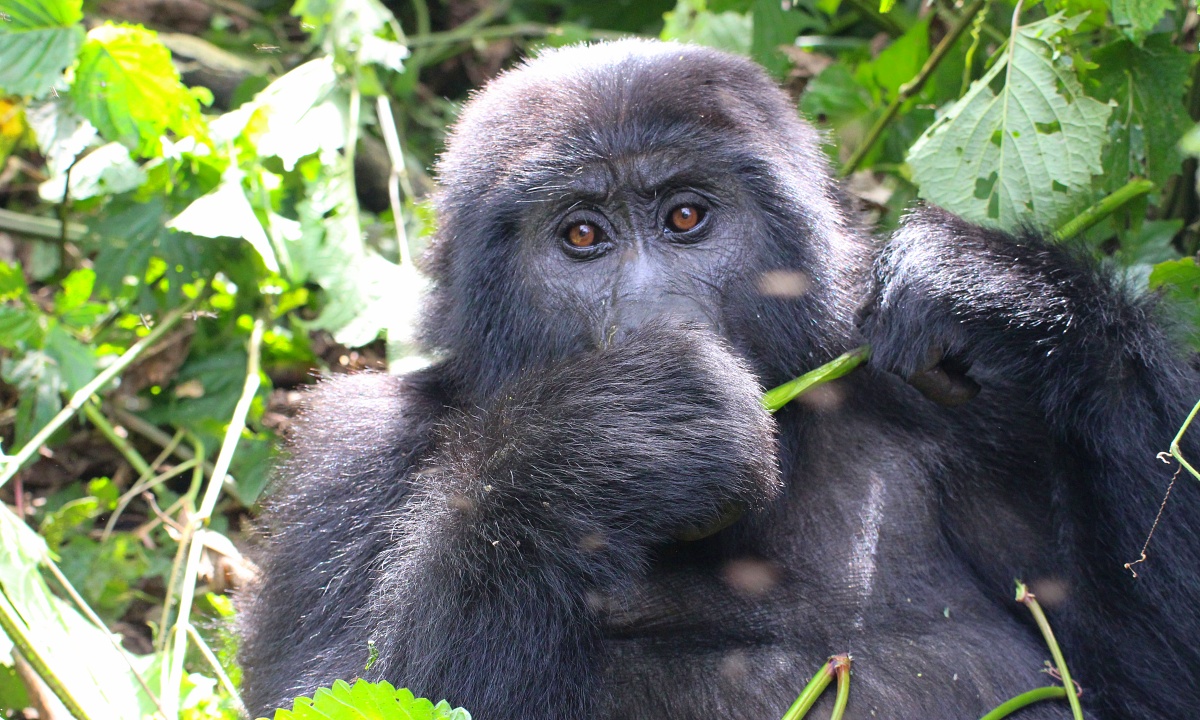

Gorilla trekking is one of Uganda's most
sought-after wildlife experiences, offering visitors the opportunity to enter
the forests of Bwindi Impenetrable National Park or Mgahinga Gorilla National
Park and spend time observing mountain gorillas in their natural habitat.
However, gorilla trekking is not simply a walk through the forest. It is a
carefully regulated conservation activity designed to protect the gorillas,
their habitat, local communities, and visitors. Mountain gorillas are highly
protected, and their close genetic relationship with humans means they can be
vulnerable to human diseases. For this reason, Uganda has established strict
guidelines governing how visitors behave before, during and after a gorilla
encounter. Following these rules, helps minimize stress and disease
transmission while ensuring that tourism continues to support gorilla
conservation.
Rules before
Gorilla Trekking in Uganda
Your gorilla trekking experience begins before you
enter the forest. Visitors are normally required to attend a pre-trekking
briefing at the park headquarters or designated briefing point. During this
briefing, rangers explain the trekking procedures, safety precautions, gorilla
behavior, and the rules that must be followed during the encounter.
1. You must have
a valid gorilla trekking permit
Every visitor taking part in gorilla trekking must
have a valid gorilla permit issued through the Uganda Wildlife Authority (UWA)
system or arranged through an authorized tour operator. The permit gives you
permission to participate in gorilla tracking and is specific to the relevant
park and trekking arrangements. Do not travel to the park expecting to join a
trek without confirming your permit. Gorilla permits are limited because
visitor numbers are controlled to reduce pressure on the gorilla families.
2. The minimum
age for gorilla trekking is 15
Visitors must be at least 15 years old to
participate in gorilla trekking in Uganda. This age restriction is important
because young children may find it difficult to follow the required safety
instructions, remain calm around gorillas, or cope with the physical demands of
the trek. If you are travelling with children, confirm the age requirements and
trekking arrangements with your tour operator before planning the safari.
3. Do not trek
if you are sick
One of the most important gorilla trekking rules is
that visitors with contagious illnesses should not participate in the trek.
Conditions such as flu, severe coughs, colds, or other respiratory infections
can pose a risk to mountain gorillas. Some human diseases can affect gorillas,
so avoiding contact when you are sick is an important conservation measure. If
you become ill before your trek, inform your tour operator or park authorities
rather than attempting to hide your symptoms.
4. Follow the
pre-trekking briefing
Do not treat the briefing as a formality. Rangers
provide important instructions about what to do when you encounter gorillas,
how to behave if a gorilla approaches, how to maintain distance, and what to do
in an emergency. Your guides and trackers know the behavior of the gorilla
family you are visiting and understand the forest environment. Listening
carefully to their instructions can make your trek safer and more enjoyable.
5. Dress
appropriately
Gorilla trekking takes place in thick forest and can
involve steep, slippery and muddy terrain. Wear comfortable hiking clothes that
allow you to move freely and protect your skin from vegetation and insects. Long
trousers, a long-sleeved shirt, sturdy hiking boots, waterproof clothing and
gardening or hiking gloves are particularly useful.
6. Use the
toilet before entering the forest
Because the trek can take several hours, it is
advisable to use the facilities at the briefing point before setting off. If
you need to relieve yourself during the trek, inform your guide and follow the
park's instructions for disposing of human waste.
7. Keep your
group together
Once the trek begins, remain with your assigned
group. Do not walk away from the group or attempt to find the gorillas on your
own. Rangers and trackers are responsible for guiding visitors safely through
the forest and locating the gorilla family.
Rules While
Gorilla Trekking in Uganda
The most important regulations apply when you are
approaching and observing the gorillas. Remember that these are wild animals,
even though the groups visited by tourists have been habituated to human
presence.
1. Maintain a
minimum distance of 7 meters
Visitors should maintain a distance of at least 7 meters
(approximately 21 feet) from the gorillas. Do not attempt to move closer for a
better photograph. If a gorilla comes closer to you, do not panic or attempt to
push it away. Instead, remain calm and follow the instructions of your ranger. Keeping
distance reduces disturbance and helps minimize the possibility of transmitting
diseases between humans and gorillas.
2. Spend a
maximum of one hour with the gorillas
Visitors are generally allowed a maximum of one hour
with a habituated gorilla family. The time starts once the group has located
the gorillas. The one-hour limit helps reduce the amount of time gorillas are
exposed to human visitors. Even when the animals appear comfortable around
people, they still need periods without human presence. Special gorilla
habituation experiences are different and have separate arrangements, so do not
confuse them with ordinary gorilla trekking.
3. Keep your voice
low
Avoid shouting, loud conversations, playing music,
or making unnecessary noises when you are near the gorillas. Speak quietly and
listen to your guides. Keeping noise levels low allows you to observe natural
gorilla behavior without causing unnecessary disturbance.
4. Never touch
the Gorillas
Even if a gorilla approaches you, do not touch it. A
young gorilla may appear curious and may come close to visitors, but this does
not mean that it is safe or appropriate to touch the animal. Let the gorilla
decide how close it wants to come while you maintain calm behavior and follow
your ranger's instructions.
5. Do not feed
the Gorillas
Visitors must never give food to gorillas. Human
food is inappropriate for wildlife and encouraging animals to associate people
with food can alter their natural behavior. Keep your food, snacks inside your
backpack, and only eat them at an appropriate location away from the gorillas.
6. Do not eat or
drink when you are with the Gorillas
Eating and drinking should not take place while you
are observing the gorilla family. If you need water or food during the wider
trek, your guide can advise you when and where it is appropriate to stop.
This rule helps prevent food-related interactions
and keeps the gorilla encounter as natural as possible.
7. Do not smoke
around the Gorillas
Smoking is prohibited during the gorilla encounter.
Apart from disturbing the animals, smoke and other pollutants can affect the
forest environment.
8. Do not use
flash photography
Photography is permitted, but flash photography
should not be used around the gorillas. Flash can disturb or startle the
animals. Before entering the forest, check your camera or phone and switch the
flash off. When taking photographs, avoid making sudden movements simply to get
a better picture.
9. Turn away
when coughing or sneezing
If you need to cough or sneeze while near the
gorillas, turn away from them and cover your mouth and nose. This is
particularly important because respiratory infections can be transmitted
between humans and gorillas. If you are feeling unwell before the trek, inform
the responsible authorities rather than risking the health of the gorillas.
10. Stay calm
around the Gorillas
A gorilla may beat its chest, make vocalizations,
move toward you, or display other behaviors that might appear intimidating. Do
not scream, run, make sudden movements, or attempt to confront the animal. Your
ranger will guide you on how to respond. Remain calm and follow instructions.
11. Do not chase
or follow a Gorilla
The purpose of gorilla trekking is to observe
natural behavior, not to force an interaction. If a gorilla moves away, do not
chase it to obtain a closer view or better photograph. The trackers and rangers
determine how the group approaches and observes the gorillas.
Other Gorilla
Trekking Rules and Regulations
Responsible gorilla trekking continues beyond the
actual gorilla encounter. Visitors are expected to respect the entire forest
ecosystem.
Do not litter
Whatever you take into the forest should come back
out with you. Do not throw plastic bottles, food wrappers, tissues, batteries,
or other rubbish along the trail. Even small pieces of litter can affect
wildlife and damage the natural environment.
Do not pick
plants or flowers
Bwindi and Mgahinga contain important forest
ecosystems with numerous plant species. Avoid breaking branches, picking
flowers, removing plants, or damaging vegetation. Stay on the route directed by
your guides rather than creating your own path through the forest.
Follow the
instructions of your ranger
Your ranger is the person responsible for guiding
the group and helping you respond appropriately to wildlife encounters. Do not
ignore instructions simply because you want to take a photograph or get a
closer view. If the ranger tells you to move back, lower your voice, stop
walking, or change your position, follow the instruction immediately.
Do not use the
forest as a toilet without guidance
If nature calls during the trek, tell your guide.
UWA guidelines require human waste to be buried appropriately, rather than left
exposed in the forest. Do not leave toilet paper or other waste behind.
Avoid
unnecessary noise
The forest is home to many species besides gorillas.
Loud music, shouting and unnecessary noise can disturb wildlife. Keeping quiet
also gives you a better opportunity to hear birds, monkeys and other forest
sounds.
Do not attempt
to separate from your group
Gorilla trekking takes place in a challenging forest
environment where trails can be steep, slippery and difficult to navigate. Stay
with your group and never wander away without permission.
Respect local
communities
Communities around Bwindi and Mgahinga are an important
part of the tourism experience. Visitors should respect local people, their
traditions, property and privacy. If you want to photograph people, ask for
permission first. Hiring local porters is also a practical way of supporting
people living around the parks.
What to Carry
for Gorilla Trekking in Uganda
Having the right equipment can make a major
difference because gorilla trekking can involve long walks through thick
vegetation, steep slopes and muddy trails.
Sturdy hiking
boots
Good hiking boots are among the most important
things to carry. Choose waterproof boots with good grip because forest trails
can become slippery, particularly after rainfall.
Waterproof
jacket or poncho
Rain can occur in the mountain forests even during
periods that are generally considered dry. A lightweight waterproof jacket or
poncho protects you from sudden showers.
Long trousers
Wear long, comfortable trousers to protect your legs
from vegetation, insects and scratches as you move through the forest.
Long-sleeved shirt
A long-sleeved shirt provides additional protection
from insects, vegetation and changing temperatures.
Gardening or
hiking gloves
Gloves can be useful when you need to hold
vegetation for balance, especially on steep or muddy sections. They also protect
your hands from thorny plants.
Small backpack
A comfortable backpack allows you to carry your
water, snacks, camera, rain gear and personal items without making the trek
unnecessarily difficult.
Drinking water
Carry enough water for the trek. Gorilla tracking
can take several hours, and staying hydrated is important, especially when
hiking uphill.
Energy snacks
Carry light snacks such as energy bars, fruit or
nuts if appropriate. However, remember that you should not eat while you are
with the gorillas. Follow your guide's instructions about when and where to
have your snacks.
Insect repellent
The forest environment contains insects, so insect
repellent can help make the trek more comfortable.
Hat and
sunscreen
A hat and sunscreen are useful during exposed
sections of the trail and while travelling to and from the park.
Camera or smartphone
A camera allows you to record your experience, but
make sure the flash is turned off. Avoid spending the entire encounter looking
through your camera; take time to observe the gorillas naturally.
Binoculars
Binoculars can be useful for observing birds,
monkeys and other wildlife encountered during the trek, although they are not
essential for viewing gorillas at close range.
Walking stick
A walking stick can provide extra support on steep
or slippery sections. Local guides may be able to provide one where available.
Personal
medication
Carry any medication you normally need during a long
day outdoors. It is also sensible to have basic first-aid items available
through your tour operator.
Money for a
porter
Although hiring a porter is not compulsory, it can
be very helpful, particularly for visitors carrying heavy bags or those who
find steep terrain challenging. Porter services also provide income
opportunities for people living around the parks.
Why Gorilla
Trekking Rules Are So Important
Gorilla trekking regulations are not designed to
make the experience difficult for visitors. They exist primarily to protect the
gorillas and maintain a sustainable relationship between tourism and wildlife
conservation. Mountain gorillas have been affected by habitat loss, human
activity and disease risks. Because they share much of their genetic makeup
with humans, some human illnesses can also affect them. Limiting visitor numbers,
maintaining distance, restricting the length of visits and controlling visitor behavior
all help reduce these risks.
The rules also protect visitors. Mountain gorillas
are powerful wild animals, and although habituated groups have become
accustomed to controlled human presence, they should never be treated like
domesticated animals. Responsible tourism therefore means allowing the gorillas
to remain wild while giving visitors a carefully managed opportunity to observe
them.
Gorilla trekking in Uganda is an experience that
requires preparation, patience and respect for wildlife. Before entering the
forest, make sure you have a valid permit, attend the briefing, dress
appropriately and avoid trekking if you are sick. During the encounter, maintain
the 7-metre distance, keep your voice low, avoid flash photography, never touch
or feed the gorillas, and follow your ranger's instructions at all times.
Remember that the standard gorilla viewing experience is limited to one hour. With
the right clothing, sturdy hiking boots, waterproof gear, water, snacks and
other essentials, you can comfortably handle the forest conditions. Most
importantly, responsible behavior ensures that visitors can continue
experiencing Uganda's mountain gorillas while supporting the long-term
protection of these endangered animals and their forest habitat.