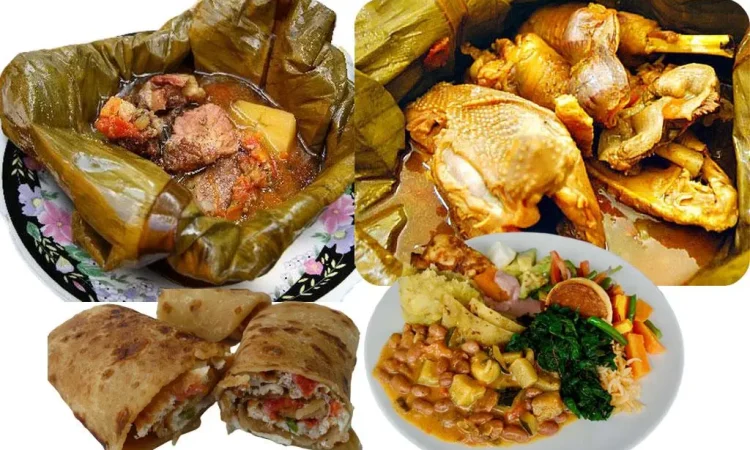

East
Africa is a region rich in culture, traditions, wildlife and breathtaking
landscapes. However, one of the most exciting ways to discover its beauty is
through local food. Every country has its own traditional dishes, cooking
methods and flavors that tell stories about its people and way of life. From
Uganda's matooke and groundnut sauce to Kenya's nyama choma, Tanzania's
Zanzibar spices and Rwanda's isombe, food offers travelers a unique opportunity
to experience the region beyond its popular tourist attractions. Whether you
are exploring local markets, enjoying meals in traditional restaurants or
sharing food with local communities, East Africa's culinary experiences add
something special to every safari and holiday.
Discover
Uganda through Its Traditional Dishes
Uganda
offers a wonderful variety of traditional foods influenced by different
communities across the country. One of the most popular dishes is matooke,
steamed green bananas commonly served with groundnut sauce, beans, beef or
chicken. Visitors can also try luwombo, a traditional meal prepared by steaming
meat, fish or groundnuts in banana leaves. Other local favorites include Rolex,
a popular street food made with chapatti and eggs, and posho served with beans
or meat. Exploring local restaurants and food markets in Kampala, Jinja and
other towns allows travelers to experience Uganda's food culture while
interacting with local people.
Experience
Kenya's Rich Food Culture
Kenya's
food culture reflects its diverse communities and regional traditions. One of
the country's most famous dishes is nyama choma, which consists of roasted
meat, usually goat or beef, served with ugali and kachumbari. It is especially
popular during family gatherings and social celebrations. Travelers should also
try Kenyan pilau, a spiced rice dish commonly prepared with meat, and githeri,
a traditional combination of maize and beans. Along the coast, Swahili cuisine
introduces visitors to delicious dishes prepared with coconut milk, seafood and
aromatic spices. Visiting local food markets and traditional restaurants in
Nairobi, Mombasa and other destinations provides an excellent opportunity to
discover Kenya through its flavors.
Taste
Tanzania's Traditional and Swahili Cuisine
Tanzania is another excellent destination for travelers interested in food experiences. Its cuisine combines traditional African cooking with strong Swahili and coastal influences. Ugali, a thick maize meal, is one of the country's staple foods and is commonly served with vegetables, fish or meat. Visitors can enjoy nyama choma, mishkaki (grilled meat skewers) and pilau prepared with fragrant spices. Zanzibar is particularly famous for its rich culinary heritage, influenced by African, Arab and Indian traditions. Travelers can explore spice farms, visit local markets and sample seafood dishes along the island's coastline. A visit to the famous Forodhani Gardens night food market in Stone Town is a great way to discover Zanzibar's street food, including Zanzibar pizza and freshly prepared seafood.
Explore
Rwanda through Its Local Cuisine
Rwanda's
traditional cuisine provides visitors with a taste of the country's
agricultural heritage and cultural traditions. Some popular dishes include
isombe, prepared using mashed cassava leaves, often cooked with groundnuts and
ugali, a maize-based staple commonly served with vegetables or meat. Travelers
can also enjoy brochettes, which are grilled meat skewers commonly found in
local restaurants, and grilled tilapia, particularly around Lake Kivu. Another
traditional favorite is ibirayi, a popular potato-based snack. Exploring local
restaurants and markets in Kigali, Musanze and other towns gives visitors an
opportunity to discover Rwanda's food traditions while enjoying the country's
welcoming hospitality.
Visit
Local Markets for Authentic Food Experiences
Local
markets are among the best places to experience East Africa's food culture.
They bring together farmers, traders, food vendors and shoppers, creating
lively environments filled with fresh produce and traditional ingredients.
Travelers can explore markets such as Owino Market in Kampala, Maasai Market in
Nairobi, Darajani Market in Zanzibar and Kimironko Market in Kigali. These
markets offer opportunities to discover tropical fruits, fresh vegetables,
spices, grains and locally prepared snacks. Walking through the markets also
allows visitors to interact with local vendors, learn about traditional
ingredients and understand how food contributes to everyday life across East
Africa.
Join
Traditional Cooking Experiences
Participating
in a traditional cooking experience is another wonderful way to explore East
Africa through food. Some cultural tours and community experiences allow
visitors to learn how local dishes are prepared using traditional ingredients
and cooking techniques.
In
Uganda, travelers can learn how to prepare matooke and groundnut sauce. In
Kenya, they can discover how to make chapatti and traditional stews. Tanzania
offers opportunities to prepare Swahili dishes using coconut milk and spices,
while Rwanda provides experiences involving local vegetables, beans and
traditional meals. These activities allow visitors to appreciate the knowledge
passed down through generations while connecting with local communities.
Best
Time to Explore East Africa through Its Local Food
East
Africa can be explored throughout the year, making food experiences easy to
include in almost any holiday. However, the dry seasons are particularly
convenient for travelers combining culinary experiences with wildlife safaris,
cultural tours and outdoor activities.
Uganda,
Kenya, Tanzania and Rwanda all have different seasonal patterns, but local
restaurants, food markets and cooking experiences are generally available
throughout the year. Travelers visiting during cultural celebrations and
community festivals may also discover special traditional dishes and seasonal
ingredients.
Tips
for Enjoying Local Food in East Africa
When
exploring East African cuisine, be open to trying unfamiliar dishes and asking
local guides or hosts about traditional ingredients. Choose clean, reputable
restaurants and food vendors, and ensure meals are freshly prepared. If you
have dietary restrictions or allergies, communicate them before ordering.
It
is also worth carrying some local currency for small purchases at markets and
street food stalls. Most importantly, respect local food traditions and enjoy
the opportunity to learn about the cultural meaning behind different dishes.
Exploring
East Africa through its local food is a rewarding way to discover the region's
culture, traditions and hospitality. From Uganda's traditional meals to Kenya's
roasted meat, Tanzania's aromatic Swahili dishes and Rwanda's local delicacies,
every destination offers something unique to taste and enjoy. Whether you are
visiting for a wildlife safari, cultural holiday or beach getaway, make time to
explore the local cuisine. It may become one of the most memorable parts of
your East African adventure.