
Going on your first safari is exciting, but it can
also be very different from an ordinary holiday. From choosing the wrong
itinerary to packing unnecessary items or expecting to see wildlife at every moment,
small mistakes can affect how much you enjoy your time in the wild. A safari
requires a little preparation, patience and an understanding that you are
entering a natural environment where animals move freely. Whether you are
planning a Uganda safari, a Kenya safari, Tanzania safari, or another African
adventure, knowing the common mistakes in advance can help you travel more
comfortably and make the most of every game drive and wildlife encounter.
1. Choosing the
Wrong Safari Destination
One of the first mistakes travelers make is assuming
that every safari destination offers the same experience. Different national
parks and reserves have different landscapes, wildlife species, activities and
levels of accessibility. A traveler interested in lions may need a different
destination from someone interested in gorillas, chimpanzees, bird watching, or
scenic landscapes.
Before booking, research the park carefully and
choose a destination that matches what you want to experience. For example,
Uganda offers a combination of traditional game viewing, primate experiences,
boat cruises, forest walks and cultural encounters, making it important to
select parks according to your interests.
2. Trying to
Visit Too Many Parks in a Short Time
Another common mistake is creating an itinerary that
is too packed. First-time travelers sometimes want to see everything in just a
few days, but African safari destinations can be separated by long distances.
Spending most of the trip driving from one park to another can leave you tired
and give you less time for wildlife experiences.
A better approach is to choose a few destinations
and give yourself enough time to enjoy each one. A well-paced safari allows you
to have game drives, relax at your lodge, appreciate the scenery and enjoy
unexpected wildlife encounters without constantly watching the clock.
3. Expecting to
See Wildlife Everywhere
Many first-time safari travelers arrive expecting
lions, elephants, leopards and other animals to appear whenever they enter a
park. However, a safari is not a zoo. Wildlife moves according to food, water,
weather, and natural behavior, so sightings can never be completely guaranteed.
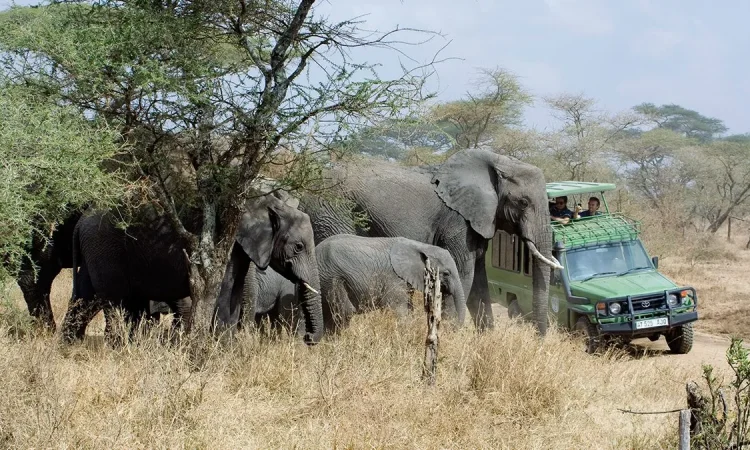
Instead of focusing only on the Big Five, appreciate
the entire safari experience. Watching a herd of buffalo move across the
plains, seeing hippos along a river, spotting colorful birds, or simply
enjoying the landscape can become just as memorable as seeing a lion. Patience
is one of the most important parts of safari travel.
4. Packing Too
Much or Packing the Wrong Clothes
Over packing is one of the easiest mistakes to make.
Safari lodges are generally casual, and you do not need a different outfit for
every day. Heavy luggage can also become inconvenient when your itinerary
involves domestic flights or long transfers.
Choose lightweight, comfortable clothing that works
for changing temperatures. Neutral shades such as khaki, brown, grey and green
are practical for the bush. Comfortable walking shoes, a hat, sunglasses,
sunscreen, insect repellent and a light jacket are also useful. Remember that
early mornings can be surprisingly cool before temperatures rise later in the
day.
5. Ignoring the
Importance of Early Game Drives
Some travelers treat safari mornings like a normal
holiday morning and prefer to sleep late. This can mean missing some of the
best opportunities for wildlife activity. Early morning game drives are popular
because many animals are active when temperatures are cooler. Predators may
still be hunting, while other animals are beginning their day. Although this
means waking up early, the experience can be well worth it. Rather than seeing
an early start as an inconvenience, consider it part of the safari experience.
6. Not Listening
to the Safari Guide
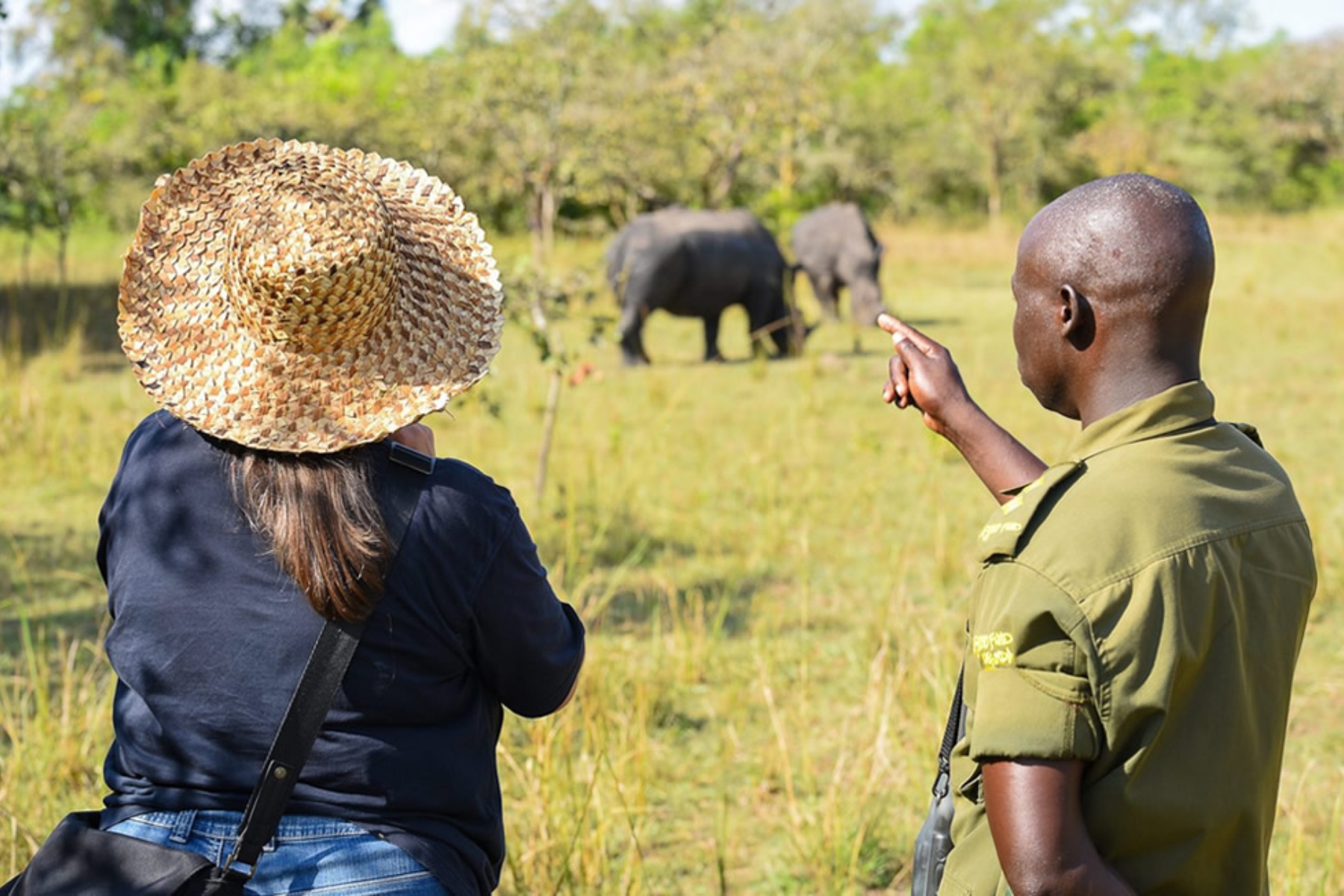
Your guide is more than a driver. A good safari
guide understands the landscape, animal behavior, tracks, calls and signs that
visitors may easily overlook. Ignoring instructions, making unnecessary noise,
standing up without permission, or attempting to get closer to wildlife can
create safety problems and disturb animals. Always follow your guide's
instructions, especially when you are close to elephants, lions, buffaloes,
hippos, or other wildlife.
7. Forgetting
That Safari Involves Long Drives
First-time visitors sometimes underestimate the amount
of time spent on the road. Reaching remote national parks can involve several
hours of driving and game drives themselves can last for long periods.
Prepare yourself for dusty roads, uneven surfaces,
changing weather, and long periods in a safari vehicle. Carry water,
sunglasses, sunscreen and anything else you need to remain comfortable. The
journey between destinations is also part of the adventure because it gives you
a chance to see rural landscapes, local communities and changing scenery.
8. Focusing Too
Much on Photography
It is natural to want photographs of every wildlife
encounter, especially when seeing a lion, elephant, gorilla or leopard for the
first time. However, spending the entire safari looking through a camera or
phone can make you miss the experience itself.
Take your photographs, but also put the camera down
occasionally and watch the animals with your own eyes. Some moments happen
quickly, while others are best appreciated by simply sitting quietly and
observing.
9. Forgetting Essential
Personal Items
Safari destinations are often far from major towns,
meaning you should not assume that everything you need will be available
nearby. Forgetting basic personal items can become inconvenient once you are
deep in a national park.
Carry essentials such as personal medication,
sunscreen, insect repellent, toiletries, extra camera batteries, memory cards
and a power bank. It is also wise to keep important items in your hand luggage
when traveling by air, particularly if your safari involves connecting flights
or luggage restrictions.
10. Choosing the
Cheapest Safari without Checking What Is Included
Price is naturally an important consideration, but
choosing a safari simply because it is the cheapest can lead to disappointment.
Two safaris may have very different prices because of differences in
accommodation, transportation, group size, guide quality, park selection,
meals, permits and included activities.
Before booking, check exactly what is included in
the package. Understanding the itinerary and inclusions helps you compare
safari packages fairly rather than choosing based only on the advertised price.
11. Not Allowing
Enough Time to Relax
A safari can be physically demanding, especially when
early mornings, long drives and several activities are combined. Trying to fill
every hour with activities can leave you exhausted.
Allow some downtime at your lodge or camp. Enjoy the
views, relax after a game drive, take a swim where available, or simply listen
to the sounds of the wilderness. A good safari is not only about how many
activities you complete but also about how much you enjoy the journey.
12. Forgetting
to Respect the Wild
The animals you see are wild animals, not
performers. Calling out to animals, making loud noises, feeding wildlife,
throwing objects, or attempting to leave the vehicle without permission can
disturb animals and create unnecessary risks.
Keep your distance, remain calm and follow
responsible safari practices. Respecting wildlife, helps protect the animals
and ensures that future travelers can enjoy the same natural experiences.
How to Make Your
First Safari Better
The best way to avoid these mistakes is to prepare
before you travel. Research your destination, choose a realistic itinerary,
pack appropriately, understand the expected weather and communicate your
interests to your tour operator. If you are interested in particular
experiences such as gorilla trekking, chimpanzee trekking, bird watching, or
seeing specific wildlife, mention this when planning your safari.
Most importantly, arrive with realistic
expectations. A safari is about experiencing nature rather than controlling it.
Some days may bring incredible wildlife sightings, while others may be quieter.
Both are part of the adventure.
Your first safari does not have to be complicated.
By avoiding common mistakes such as over packing, rushing between parks,
ignoring your guide, expecting guaranteed wildlife sightings, and choosing a
safari based only on price, you can enjoy a smoother and more rewarding
journey. Take your time, respect the wilderness, stay curious, and allow
yourself to enjoy the unexpected. The best safari memories often come from
moments you never planned for.