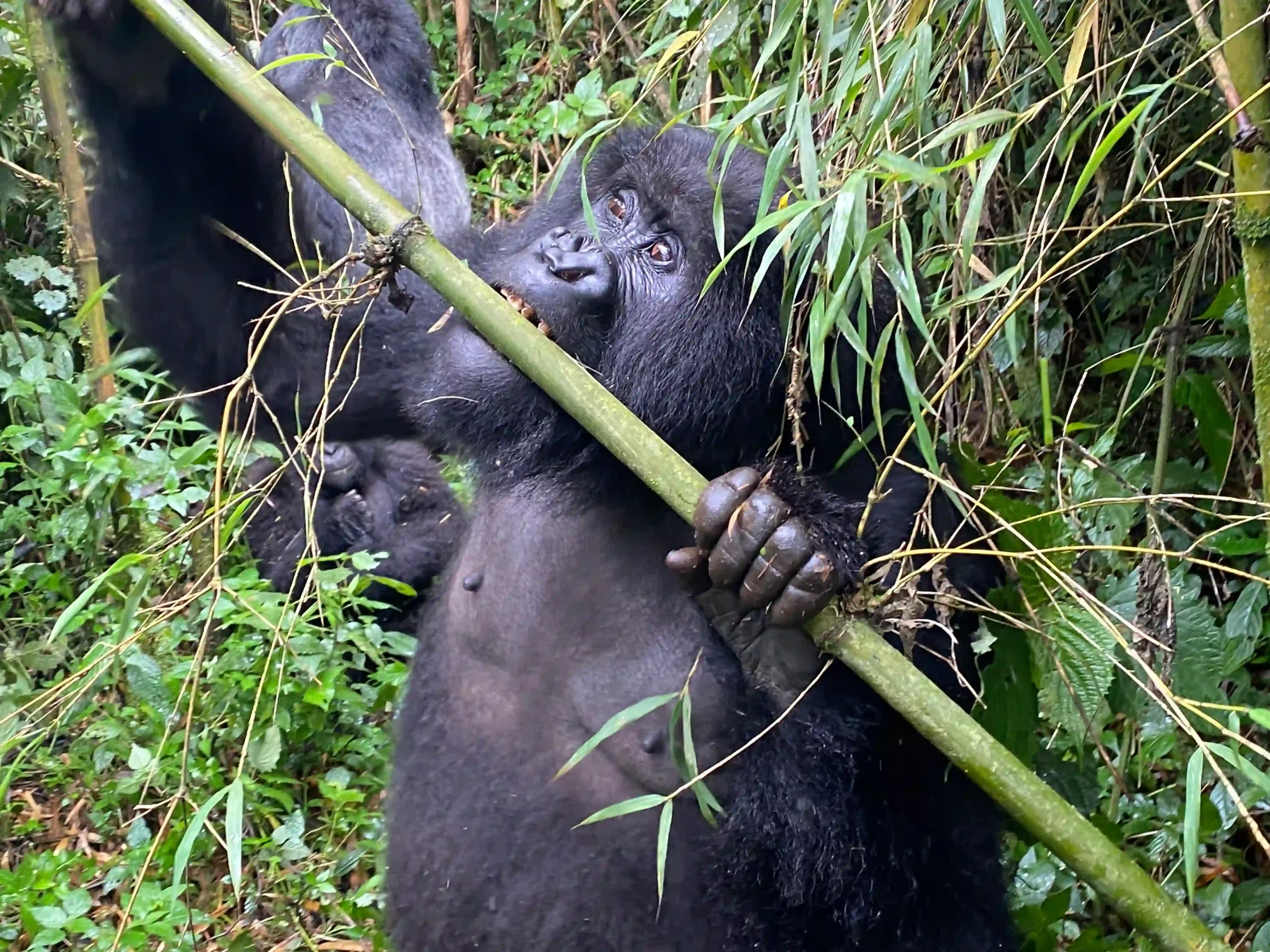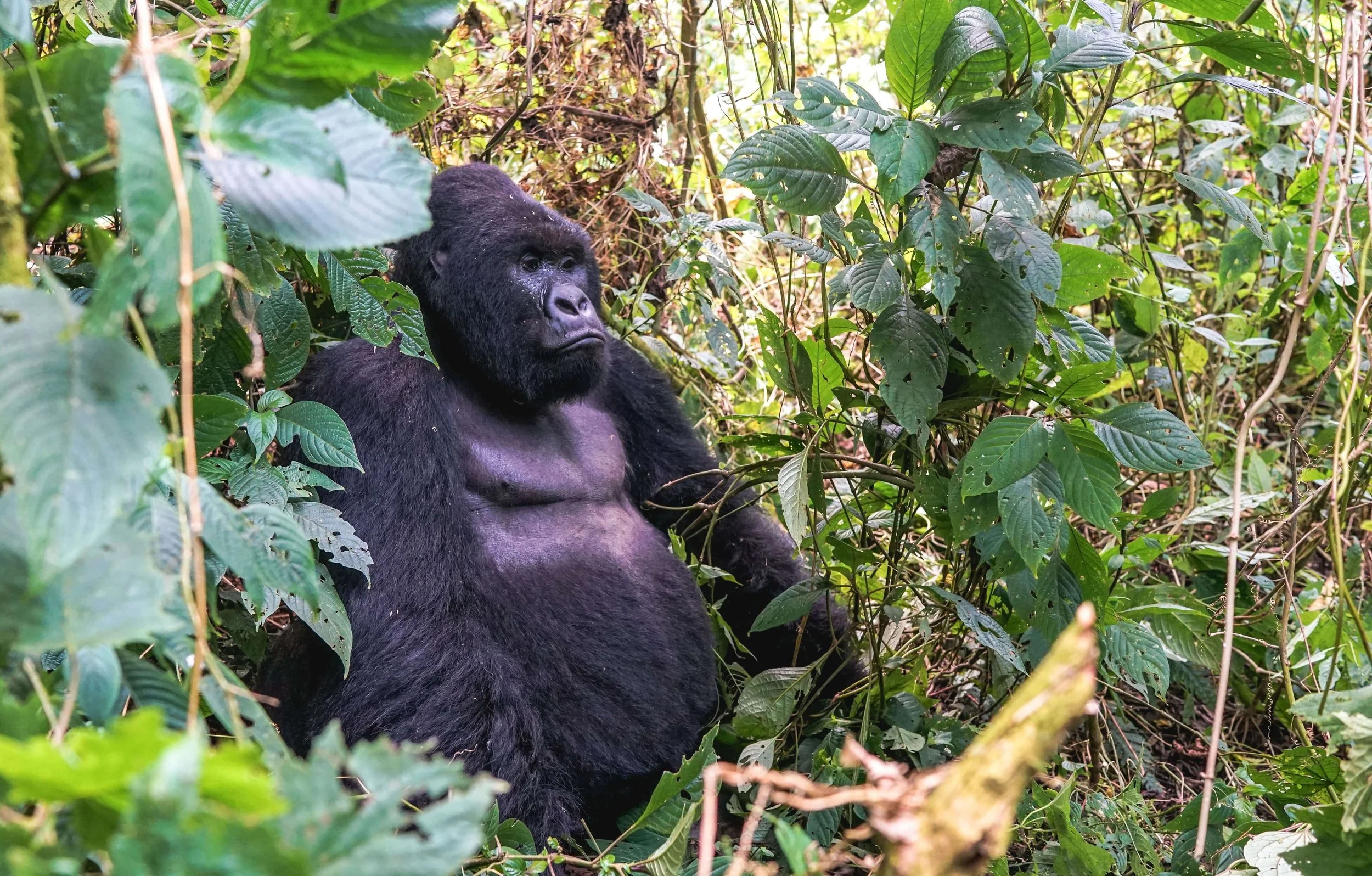

Rwanda is one of Africa’s leading destinations for
mountain gorilla trekking, offering visitors an unforgettable opportunity to
encounter these endangered primates in their natural habitat. The experience
takes place in Volcanoes National Park, located in the Virunga Mountains in
northwestern Rwanda. Although gorilla trekking is available throughout the
year, the weather and trail conditions vary between seasons. The dry seasons
are generally the best time to trek because forest trails are less muddy and easier
to navigate. However, the rainy seasons also offer beautiful green scenery and
fewer visitors. Understanding each season helps you choose the best time for
your gorilla trekking adventure.
Dry Season: June
to September
The period from June to September is generally
considered the best time for gorilla trekking in Rwanda. Rainfall is usually
lower, leaving forest trails firmer and less slippery than during the rainy
seasons. These conditions make hiking through the dense vegetation and steep
slopes of Volcanoes National Park more manageable. June marks the beginning of
the main dry season while July and August generally offer some of the driest
conditions. September is also a good month for trekking before the rains
gradually return in October.
During this period, visitors can enjoy comfortable
hiking conditions and opportunities to take photographs of mountain gorillas in
the forest. However, gorilla trekking remains a physically demanding activity
and the duration of the hike depends on where the assigned gorilla family is
located. This is also a popular travel season, so gorilla permits and
accommodation can become limited. Booking in advance is recommended, especially
if you plan to travel in July or August.
Short Dry
Season: December to February
December to February is another excellent time for
gorilla trekking in Rwanda. During these months, rainfall generally decreases,
making forest trails easier to navigate than during the main rainy season. The
weather is often suitable for hiking, photography, and exploring other
attractions around Volcanoes National Park. January and February are
particularly good options for travelers seeking relatively dry trekking
conditions. December is also suitable, although occasional showers can occur,
especially around the beginning of the month.
Visitors can combine gorilla trekking with golden
monkey tracking, cultural experiences and visits to nearby communities around
Musanze. The short dry season is also a good opportunity to explore Rwanda's
other destinations, depending on the weather. Because this is a popular travel
period, particularly around Christmas and New Year, it is advisable to secure
your gorilla permit and accommodation early. Carrying waterproof clothing and
sturdy hiking boots is still important because rain can occur at any time in
the mountainous forest.
Long Rainy
Season: March to May
March to May is Rwanda's main rainy season, with
April often experiencing particularly wet conditions. During this period, the
forest receives more rainfall making trekking trails muddy, slippery and
sometimes more difficult to navigate. The steep terrain can increase the
physical demands of the hike, so visitors should be prepared for challenging
walking conditions. Despite the rain, gorilla trekking continues throughout the
season. The forest becomes lush and green, creating beautiful scenery for
nature lovers and photographers. The wetter conditions can also provide
opportunities to enjoy the forest in a quieter atmosphere, as fewer tourists
may visit compared with the peak dry season.
Travelers who choose this period should bring waterproof
jackets, trousers, gloves and sturdy hiking boots with good grip. Long-sleeved
clothing is also useful when moving through vegetation. The rainy season may
suit visitors who prefer fewer crowds and are comfortable with challenging
hiking conditions. However, the possibility of heavy rain means that
flexibility and proper preparation are essential.
Short Rainy
Season: October to November
October and November mark Rwanda's shorter rainy
season. Rainfall increases during these months, although conditions can vary,
with periods of sunshine between showers. Trails in Volcanoes National Park may
become muddy and slippery, making some sections of the trek more challenging. Nevertheless,
gorilla trekking remains possible and visitors can still enjoy memorable
encounters with mountain gorillas. The surrounding landscape becomes greener,
providing attractive scenery for photography and nature experiences.
This season can appeal to travelers looking for a
quieter experience outside the busiest travel months. Depending on demand and
availability, accommodation options may also be more affordable than during the
peak dry season. Visitors should pack waterproof clothing, hiking boots, and a
change of clothes to remain comfortable throughout the trek. It is also helpful
to allow some flexibility in travel arrangements in case weather conditions
affect other outdoor activities. October and November are good alternatives for
travelers who do not mind occasional rain and want to experience Rwanda's
forests during the greener months.
Can You See
Gorillas Throughout the Year?
Yes, mountain gorilla trekking takes place
throughout the year in Volcanoes National Park. Mountain gorillas live in the
forest year-round and trained park rangers track their movements to guide
visitors to the assigned habituated gorilla families. The main difference
between the seasons is the condition of the trails rather than the availability
of gorillas. During the dry season, walking is generally easier because the
ground is less muddy. During the rainy season, the trails can be slippery, but
the forest offers beautiful green scenery and a quieter atmosphere.
The duration and difficulty of each trek depend on
the gorillas' location, which can change daily. Therefore, even during the dry
season, visitors should be prepared for a physically demanding hike. Regardless
of when you visit, proper clothing, suitable hiking boots and following the
instructions of park guides will help you prepare for the experience.
What Is the Best
Month for Gorilla Trekking in Rwanda?
July and August are among the best months for
gorilla trekking in Rwanda because they generally offer some of the driest
conditions of the year. The trails are often firmer, making hiking more
manageable. However, these months are also popular, so permits and
accommodation should be booked early.
June and September are also excellent options within
the main dry season. For travelers who prefer the second dry season, January
and February offer favorable trekking opportunities.
If you prefer greener landscapes and fewer visitors,
March to May or October to November may be suitable, provided you are
comfortable trekking in wet conditions.
Ultimately, the best month depends on your travel
dates, budget and preferred hiking conditions. Since rainfall can occur
throughout the year, it is important to prepare for changing weather regardless
of the season.
The best time to visit Rwanda for gorilla trekking
is generally June to September, followed by December to February. These dry
seasons offer more favorable trail conditions and make hiking through Volcanoes
National Park more manageable. The rainy seasons, from March to May and October
to November, remain suitable for trekking but require extra preparation for
muddy trails and wet weather. Whichever season you choose, gorilla trekking
offers a remarkable opportunity to observe mountain gorillas in their natural
habitat. Planning ahead, obtaining your permit and packing appropriate hiking
gear will help you enjoy a memorable experience in Rwanda.