
Overall Best
Time is Dry Seasons December–February and June–September
The dry seasons are the best times to visit Murchison
Falls National Park for most travelers. These months offer clear skies and
very little rainfall, which makes planning daily activities straightforward.
The park's dirt roads stay hard and dry, so you can move between game viewing
spots without delays. The heat also feels less oppressive because humidity
drops. You wake up to sunny mornings, which are perfect for early drives, and
afternoons remain bright for boat trips. This weather reliability means you get
full value for your money. You won't lose a day sitting in your tent waiting
for rain to stop. For first-time visitors, this predictability removes a lot of
travel stress and worry.
Wildlife Viewing
During Dry Season
Seeing animals becomes much easier during the dry
months. As smaller ponds and puddles vanish, wildlife flocks to the Nile River
and a few permanent waterholes. This concentration puts elephants, giraffes,
buffaloes, and lions right where you can spot them. The grass and bushes
also die back or get eaten down, so animals cannot hide behind thick cover. You
spend less time scanning empty plains and more time watching real action.
Predators like lions and leopards become more active near water sources, increasing
your chance of seeing hunts or kills. This direct access to wildlife means you
do not need special luck or extra days to have a productive safari.
Road Access and
Travel Conditions
Good roads make a huge difference in your overall
experience. During the dry season, the park's internal tracks stay firm and
passable for ordinary 4x4 vehicles. You avoid the frustration of sliding in mud
or getting stuck far from help. The main highway from Kampala to the park also
remains safe and free of washouts. Breakdowns and delays decrease significantly
because vehicles face less strain on hard surfaces. This reliability lets you
stick to your planned schedule for game drives and boat cruises. Guides can
take you to remote sections of the park without worrying about the weather
turning bad. Your travel time becomes predictable, so you spend more hours
enjoying the park and fewer hours dealing with problems.
Peak Season
Downsides: Crowds and Costs
The dry season's popularity brings clear drawbacks.
Lodges and tour operators raise their prices because demand is high, so your
budget takes a bigger hit. You also share the park with many other visitors,
especially at the boat launch and the waterfall viewpoint. Vehicles queue up at
prime animal sightings, and you might wait for your turn to get a good photo.
This crowd pressure can reduce the feeling of wilderness and solitude. Camping
sites fill up quickly, and you may end up in less desirable spots. Booking
everything at least three to six months ahead becomes necessary. If you dislike
busy places or tight schedules, these peak months may not suit your
preferences.
Wet Season
Alternative of March–May and October–November
The wet season offers a completely different
experience with real benefits. Prices for accommodation and tours drop sharply,
often by 20 to 40 percent. You also find almost empty park roads and quiet boat
cruises without noise from other engines. This solitude allows you to watch
animals and birds at your own pace. The landscape turns vibrant green,
providing beautiful backdrops for photos. Many lodges offer special deals or
free nights to attract visitors during these slower months. If your main
concern is saving money and avoiding tourist crowds, this period works well.
You just need to accept that rain will probably affect at least part of each
day.
Wet Season
Challenges: Mud and Hidden Wildlife
The wet season makes safari work harder for you. Animals
spread out because they find drinking water everywhere, so they do not
cluster along the Nile. The tall grass and full bushes give them plenty of
places to stay out of sight. You may drive for hours without seeing many large
mammals. Rain showers can start suddenly and turn clear skies into gray
downpours, forcing you to cut activities short. Park roads become slippery and
muddy, and some tracks close entirely until they dry out. Without a powerful
4x4 with good tires, you risk getting bogged down far from help. These
conditions demand patience, flexibility, and a tolerance for discomfort.
Birdwatching in
the Wet Season
For bird lovers, the wet season beats the dry months
hands down. From November to April, many migratory bird species arrive from
Europe and northern Africa to escape colder weather. The park's total bird
count exceeds 500 species, and the rains trigger breeding displays and active
feeding. You see colorful bee-eaters, kingfishers, and herons in large numbers
around wetlands and riverbanks. The greenery also attracts insects, which draw
more insect-eating birds. Guided bird walks become productive because birds are
vocal and visible during breaks between showers. If your main goal is ticking
off a long bird list, the wet season gives you better results. You just need
proper rain gear and waterproof binoculars.
Monthly Weather
Breakdown
Understanding monthly patterns helps you pick
specific dates. January and February are the hottest and driest, with daytime
highs around 33°C, so pack light shirts and a hat. June and July bring slightly
cooler days at about 29°C but still very little rain. The heaviest rains fall
in April, May, August, and October, with afternoon downpours common. Nighttime
temperatures stay stable year-round, dropping to about 18–19°C, so bring a
fleece for early morning drives. Humidity rises during the wet months, making
afternoons feel sticky and uncomfortable. No matter when you go, bring
sunscreen, insect repellent, and a reusable water bottle. This breakdown lets
you match your comfort preferences with the park's conditions.
How to get there
to Murchison falls Uganda
To get to Murchison
Falls National Park, you have two main options: road or air. By road, the
most common route is a 5- to 6-hour drive from Kampala or Entebbe, heading
north through Luweero and Nakasongola to the town of Masindi . From
Masindi, you continue to the park's main southern entrance, the Kichumbanyobo
Gate, passing through the Budongo Forest along the way . For those on a
budget, public buses run from Kampala to Masindi, where you can then hire a
taxi or boda-boda to the park gate . If you prefer to save time, domestic
flights from Entebbe International Airport or Kajjansi Airstrip take about one
hour to land at one of the park's airstrips, such as Pakuba, Bugungu, or
Chobe . From the airstrip, your lodge or tour operator will arrange a
transfer to your accommodation
What activities
to do at Murchison falls Uganda
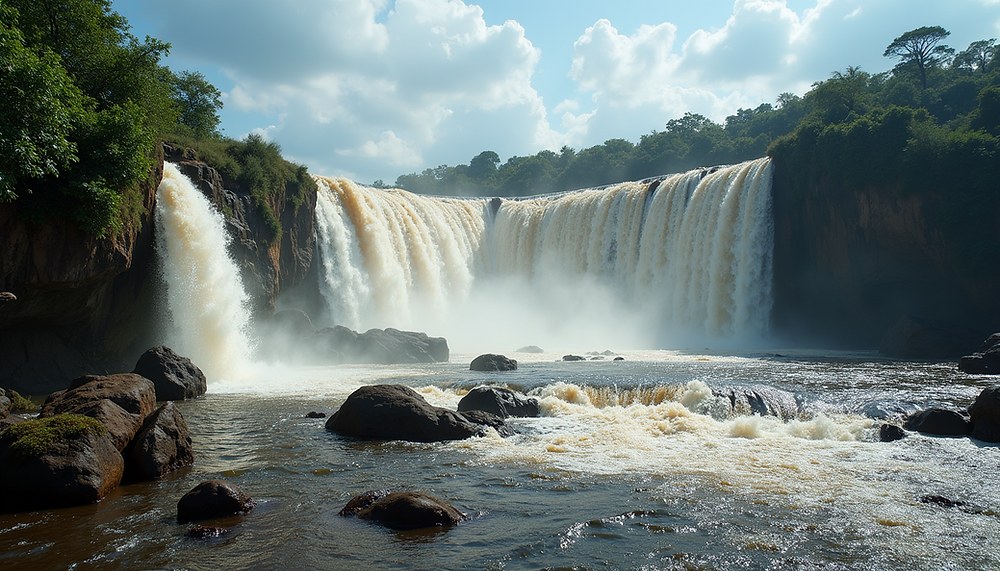
At Murchison Falls, the signature activity is the
boat cruise to the base of the falls, where you get a close view of the Nile
forcing itself through a narrow gorge while spotting hippos and crocodiles
along the way . You can also take a hike to the top of the falls for a
different perspective of the water plunging 45 meters down . For wildlife,
go on morning or evening game drives in the park's northern savannah to see
elephants, lions, giraffes, and buffalos . In the southern Budongo Forest,
you can go chimpanzee trekking to track primates . Birdwatchers can look
for over 450 species, including the rare shoebill stork, especially along the
Nile delta . Other options include nature walks, sport fishing for Nile
perch (catch and release), and cultural visits to nearby communities like the
Boomu Women's Group
Where to stay in
Murchison falls Uganda
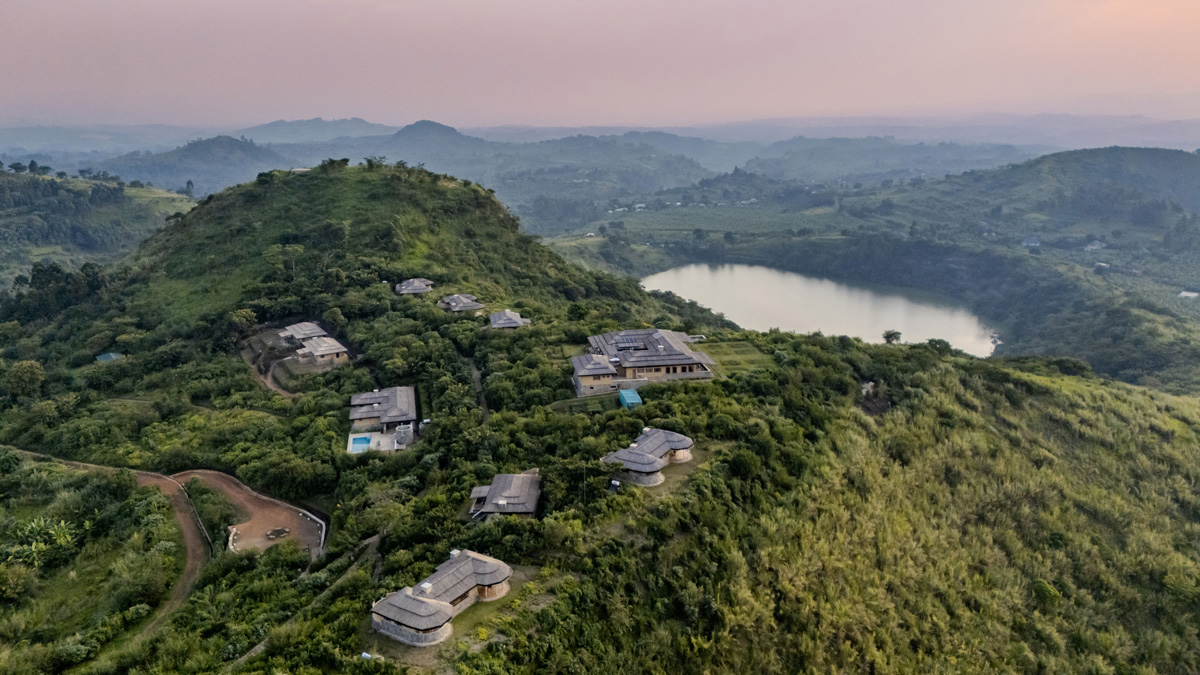
You have many accommodation choices in and around
Murchison Falls, covering a wide price range. For top-end luxury with great
views, you can stay at Chobe Safari Lodge on the northern bank of the Nile,
which has a swimming pool and views of the river , or Nile Safari Lodge
with its exclusive bandas and private decks . A new luxury option called
Kulu Ora is also planned to open in 2026 . Mid-range options with good
value include Murchison River Lodge, which has both cottages and safari tents
on the south bank , and Pakuba Safari Lodge . If you are on a tight
budget, Red Chilli Rest Camp is a popular choice at Paraa with bandas and
camping . You can also find very affordable bandas run by the Boomu
Women's Group or stay at the UWA bandas managed by the park
authority itself
Booking Uganda safari
with Zoophilist adventures and safaris
Booking a Uganda safari with Zoophilist
Adventures and Safaris guarantees a seamless, authentic, and value-driven
journey across the country’s most iconic wildlife destinations. As a licensed
operator, they expertly manage all logistics from securing gorilla trekking
permits and park fees to arranging accommodations and transfers saving you the
stress of planning. Our itineraries are tailored to your interests, whether
gorilla trekking in Bwindi, chimpanzee tracking in Kibale, or game drives in
Queen Elizabeth and Murchison Falls. With professional guides, you enjoy safe,
insightful experiences that connect you to Uganda’s diverse wildlife and
vibrant cultures. By choosing Zoophilist, you also support conservation and
community initiatives, making your safari meaningful beyond travel. Early
booking is recommended to secure permits and lodges, especially during peak dry
seasons.