
The best time to visit
Lake Mburo National Park for a safari largely depends on your primary
interests, as the park offers distinct experiences across different seasons.
For the quintessential classic safari focused on exceptional wildlife viewing,
the dry seasons are generally considered the prime time to go. These periods
offer excellent conditions for spotting the park's diverse inhabitants.
The most recommended windows for a wildlife safari
in Lake Mburo National Park are the long dry season from June to September and
the short dry season from December to February. During these months, rainfall
is scarce, causing vegetation to thin out and become less dense. This
significantly improves visibility across the savannah plains, making it easier
to spot animals like zebras, impalas, and buffaloes.
Furthermore, as water sources within the park
diminish, wildlife concentrates around the remaining lakes and waterholes for
their daily needs. This predictable behavior makes game drives particularly
rewarding, offering excellent opportunities to see animals gathering in large
numbers. The dry, firm conditions of the game tracks also make them easy to
navigate, allowing for comfortable exploration of the park.
The dry weather is perfect for many of Lake
Mburo National Park's unique activities. Walking safaris and boat cruises
on the lake are at their best during these months, with clear skies and
comfortable temperatures ranging from warm days to cool evenings. The pleasant
climate makes early morning and late afternoon game drives, ideal for spotting
nocturnal animals like leopards, very enjoyable.
If your primary passion is birdwatching, consider
visiting Lake Mburo National Park during the wet seasons. The park, renowned
for over 340 bird species, becomes a haven for birders during the rains from
March to May and October to November. This period marks the arrival of
migratory birds from Europe and Asia, adding to the already impressive resident
population.
The rains transform the landscape of Lake
Mburo National Park into a lush, vibrant green paradise. The abundance of
food, including fruits on trees and plants, attracts a high concentration of
birds, making them easier to spot. This is also the breeding season for many
species, offering a chance to see fascinating behaviors like courtship
displays, which is a significant draw for photographers.
However, there is a trade-off. While wildlife
viewing is still possible, it can be more challenging during the wet seasons as
animals disperse across the rejuvenated park in search of fresh grazing. Game
tracks can become muddy and slippery, making some trails difficult to access.
Be prepared for occasional showers, although they often clear up to reveal
fresh air and clear skies.
Ultimately, Lake Mburo National Park is an
all-year-round destination. The dry seasons (June-September, December-February)
are best for optimal game viewing and activities like walking and boat safaris
due to concentrated wildlife and accessible terrain. The wet seasons
(March-May, October-November) are a birder's paradise, with lush scenery and
the arrival of migratory species. Your choice should align with the safari
experience you most desire
How to get there
to Lake Mburo National park
Reaching Lake
Mburo National Park is very convenient, as it's the closest savannah park
to the capital . The most common and straightforward way is by road,
following the well-maintained Kampala–Masaka–Mbarara highway for about 240-245
km, a journey typically taking around 4 hours . You'll enter the park via
the main Sanga Gate, located near the Sanga Trading Centre . While a
private car or a hired 4x4 safari vehicle is recommended, especially during the
rainy season, it's also possible to use public transport by taking a bus or
taxi to Lyantonde or Sanga town and then a motorcycle (boda-boda) to the park
gate . For a quicker option, you can fly from Entebbe International
Airport or Kajjansi Airfield on a domestic charter flight to Mbarara Airstrip,
which takes about an hour, followed by a short 30-45 minute road transfer to
the park
Best activities
to do in Lake Mburo National park
Lake Mburo National Park offers a remarkable variety
of activities, setting it apart as one of the most versatile safari
destinations in Uganda. The park is famous for unique experiences like horseback
safaris and cycling tours, which allow for intimate, quiet encounters
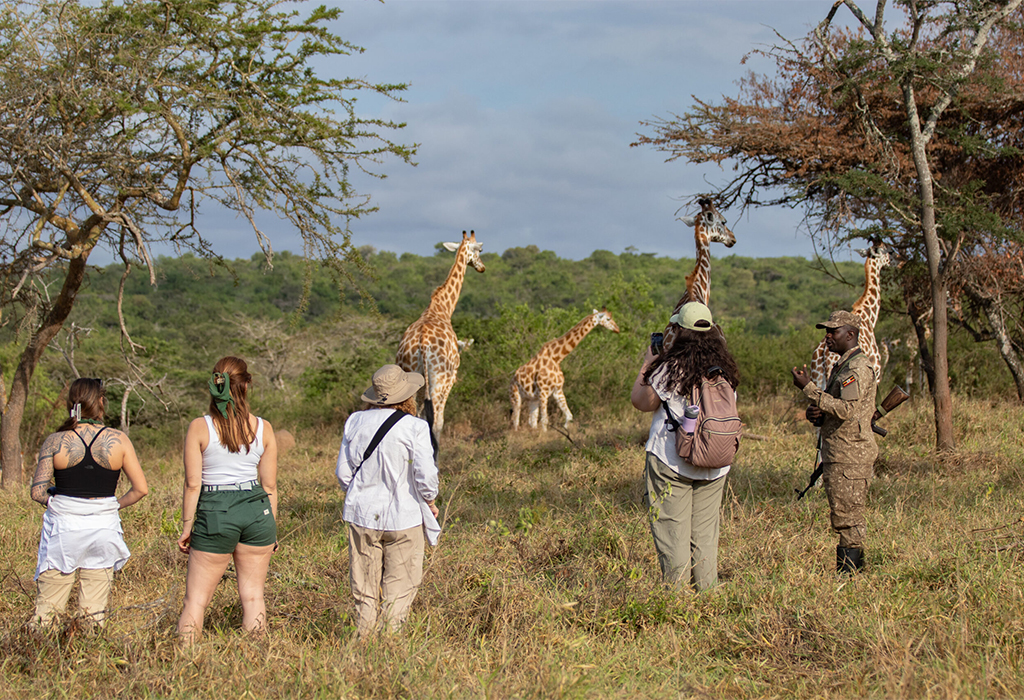
with wildlife such as zebras, giraffes, and antelopes. For a different
perspective, a boat cruise on the lake is a must-do, bringing you
face-to-face with hippos, crocodiles, and a spectacular array of water birds.
Traditional game drives (both day and night) are excellent for
spotting a variety of wildlife, including the elusive leopard. The park is also
one of the few in Uganda where you can embark on an armed walking safari,
offering a deep connection to the bush. For birdwatchers, the over 350 species
make it a premier birding hotspot, and cultural tours to see the famous Ankole
long-horned cattle provide a rich local experience
Booking to Uganda
safari with Zoophilist adventures and safaris
Booking a Uganda safari with Zoophilist Adventures and Safaris
ensures a well-organized, authentic, and value-driven experience across the
country’s top wildlife destinations. As a licensed operator, they handle all
logistics from securing gorilla trekking permits and park fees to arranging
accommodations and transfers saving you the stress of planning. Our itineraries
are tailored to your interests, whether gorilla trekking in Bwindi, chimpanzee
tracking in Kibale, or game drives in Queen Elizabeth and Murchison Falls. With
professional guides, you enjoy safe, insightful adventures that connect you to
Uganda’s diverse wildlife and cultures, while also supporting conservation and
local communities.