
The Significance
of Timing for a Kidepo Safari
Choosing the best time to visit Kidepo
Valley National Park is crucial for a successful safari, as the park's
remote, semi-arid climate directly influences wildlife behavior and
accessibility. Your experience can vary dramatically from the dry to the wet season.
The dry season is widely considered the prime time for game viewing, while the
wet season offers lush scenery and is excellent for birdwatching. Your choice
should depend on your priorities, be it predator sightings, birding, or
avoiding crowds.
The Undisputed
Best Time, The Dry Season
The best time for a safari
in Kidepo is undoubtedly during the dry season, which generally runs
from September to March. During these months, rainfall is scarce, and the
park experiences a long dry spell characterized by very hot and arid conditions.
This extreme weather creates a powerful concentration of wildlife. As water
sources dry up across the park, animals are forced to congregate around the few
permanent water points that remain, primarily located in the Narus Valley.
The Wildlife
Viewing Advantage
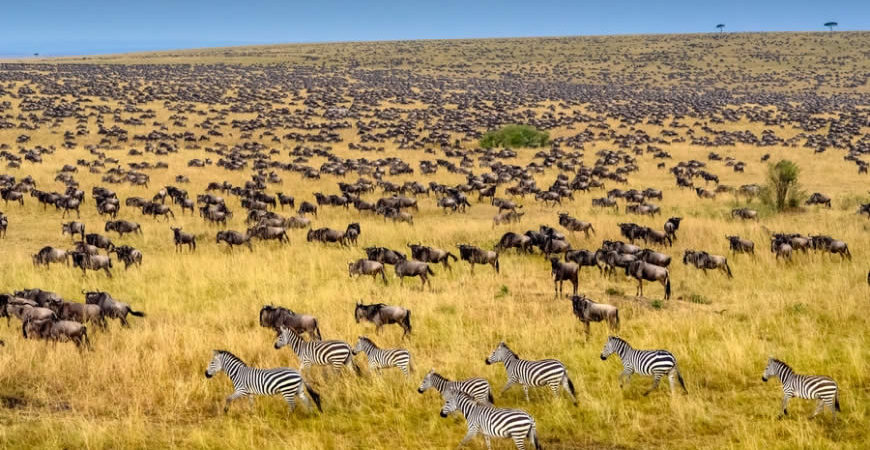
The concentration of animals in the Narus Valley
during the dry season makes for some of the most spectacular wildlife viewing
in Africa. The sparse vegetation and the sheer number of animals gathering at
water sources make them far easier to spot in the open savannah terrain. This
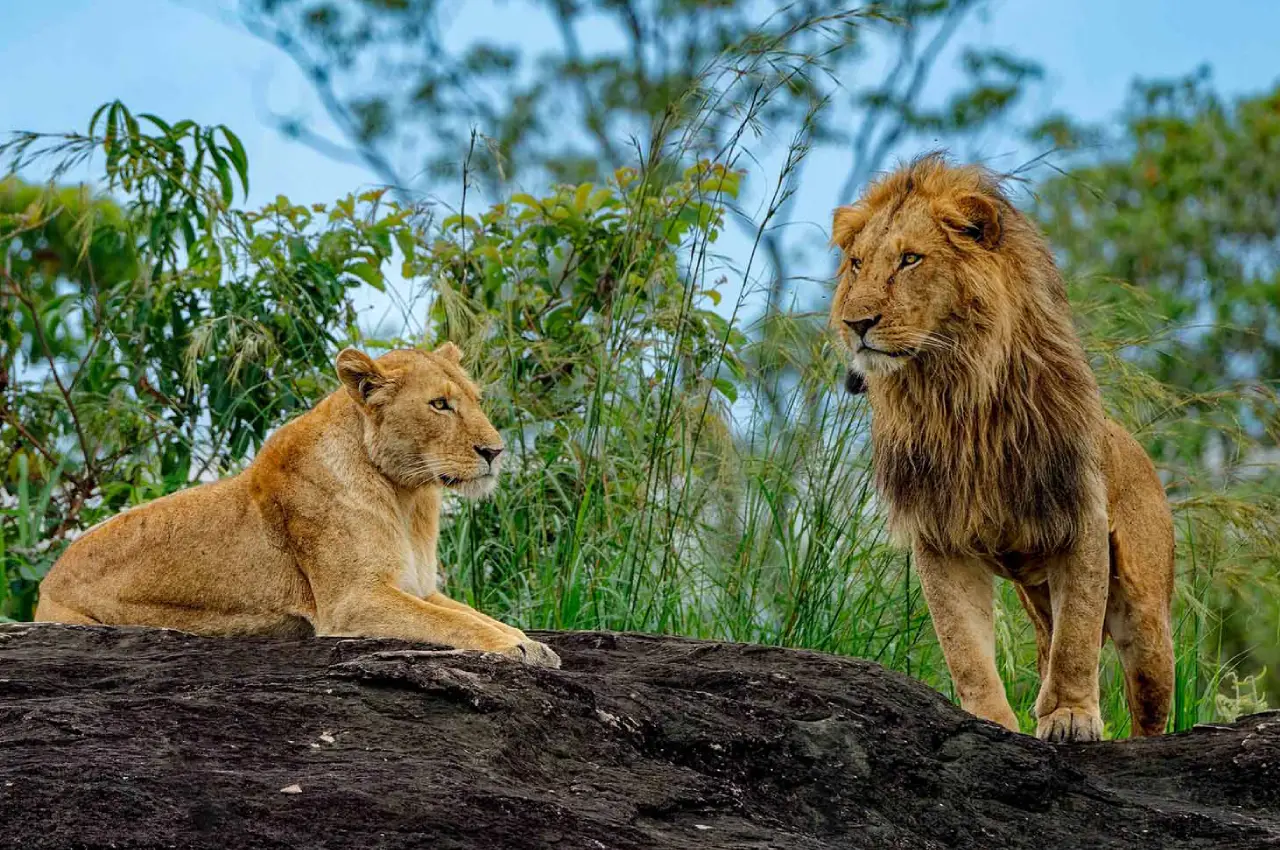
is the prime time to see large herds of buffalo, elephants, and various
antelope species, which in turn attract predators like lions and cheetahs. Many
of the dry-season months, particularly December to February, are considered the
absolute peak.
Weather
Conditions to Expect
While the wildlife viewing is at its best, the dry
season also brings extreme heat. Temperatures can easily reach a
scorching 40°C (104°F) during the day, especially in the months of
January and February. The mornings and nights, however, are refreshingly cool,
dropping to around 15°C to 18°C (59-64°F). The landscape becomes parched,
dusty, and hazy, which can sometimes reduce visibility for photography.
Travelers should be well-prepared for the intense heat and arid conditions.
The Allure of
the Green (Wet) Season
The wet season in Kidepo runs from April to
August. Unlike many other parts of Uganda, which experience two wet seasons,
Kidepo has one, relatively short, rainy season. During this time, the park is
transformed. The dusty plains turn into a lush, green landscape. The rains
bring a different kind of beauty and provide a refreshing break from the heat,
with daytime temperatures dropping slightly to an average of 29°C (84°Fg).
Wet Season
Challenges and Opportunities
While the scenery is beautiful, the wet season
presents challenges for game viewing. The abundance of water means that animals
are no longer concentrated at permanent sources and disperse across the park,
often moving to higher ground where they are more difficult to locate.
Additionally, the roads can become challenging, making some areas of the park
inaccessible and requiring a robust 4x4 vehicle. This makes it a less popular
time for traditional game drives.
The
Birdwatcher's Paradise
For bird enthusiasts, the wet season is arguably the
best time to visit. The park is a haven for birdlife, with nearly 500 species
recorded. The rains bring migratory birds to the park. The lush vegetation also
provides ideal conditions for resident bird species to be active, making them
easier to spot. If your primary goal is birdwatching, the green season is a
fantastic choice, offering incredible diversity and activity.
The Transition
Periods
The months just before and after the main wet and
dry seasons can offer a pleasant compromise. In March, the first rains
begin to break the intense dry heat and settle the dust, providing relief but
without the heavy mud of the peak wet season. Similarly, in September, the
transition from wet to dry starts, and you might still experience some rain,
but the weather is becoming warmer, and wildlife is beginning to gather at
water sources. These shoulder months can be a good time to visit for those
seeking a balance of decent weather and wildlife viewing.
Making Your
Choice
Ultimately, the best time to visit ]o depends on
your personal safari goals. For the ultimate wildlife viewing experience,
where you can see large concentrations of animals, including predators,
the dry season from November to March is the clear winner. For birdwatchers and
those who prefer lush, green landscapes and a cooler climate, the wet
season from April to August offers a unique and rewarding experience.
Whatever you choose, Kidepo promises a true wilderness adventure.
How to get there
to Kidepo National park Uganda
Getting to Kidepo Valley National Park is an
adventure in itself, as the park is located in Uganda's remote northeastern
corner, about 700 kilometers from Kampala . Most visitors travel by road,
with the most popular route heading north from Kampala through Gulu and Kitgum,
a journey of roughly 10 to 12 hours . While the roads are tarmac for a
good portion of the trip, the final stretches become rougher, making a sturdy
4x4 vehicle essential, particularly during the rainy seasons .
Alternatively, for those who prefer to save time, charter flights are available
from Entebbe International Airport or Kajjansi Airstrip to the park's airstrip,
cutting the travel time down to about two hours
Top safari
activities to do in Kidepo National park Uganda
Kidepo Valley National Park offers a fantastic
variety of safari activities that go far beyond traditional game drives. The
undisputed top activity is the game drive, especially in the Narus Valley where
wildlife congregates year-round, offering incredible sightings of elephants,
buffalo, lions, and the rare cheetah. For a more intimate experience, guided
nature walks and hikes allow you to explore the landscape on foot, tracking
animals and learning about the smaller details of the ecosystem. The park is
also a birder's paradise with over 470 species, making bird watching a major
draw. Beyond wildlife, don't miss a cultural encounter with the local
Karamojong people to experience their traditional pastoral life, or a visit to
the natural Kanangorok Hot Springs
Booking to visit
Kidepo National park with Zoophilist adventures and safaris
Booking a visit to Kidepo National Park with Zoophilist Adventures and Safaris
guarantees a smooth and rewarding safari experience, as they handle all
logistics including park permits, transport, and accommodation, while providing
expert guides who know the best wildlife viewing spots in Narus and Kidepo
Valleys; our emphasis on responsible tourism ensures that your trip not only
delivers memorable encounters with lions, elephants, buffalo, and rare bird
species but also supports local communities and conservation efforts, making
them a reliable partner for travelers seeking value, safety, and authenticity
in Uganda’s most remote wilderness.