
Gishwati-Mukura National Park is one of Rwanda's
beautiful natural destinations, offering visitors an opportunity to explore
tropical forests, discover wildlife, enjoy bird watching and experience local
culture. Located in western Rwanda, the park consists of two forest sections,
Gishwati and Mukura, which protect important habitats for primates, birds and
other forest wildlife.
Although smaller and less visited than some of
Rwanda's famous national parks, Gishwati-Mukura offers rewarding nature
experiences for travelers interested in forest exploration and biodiversity.
Here are the five best things to do when visiting the park on a Rwanda safari.
1. Chimpanzee
Tracking
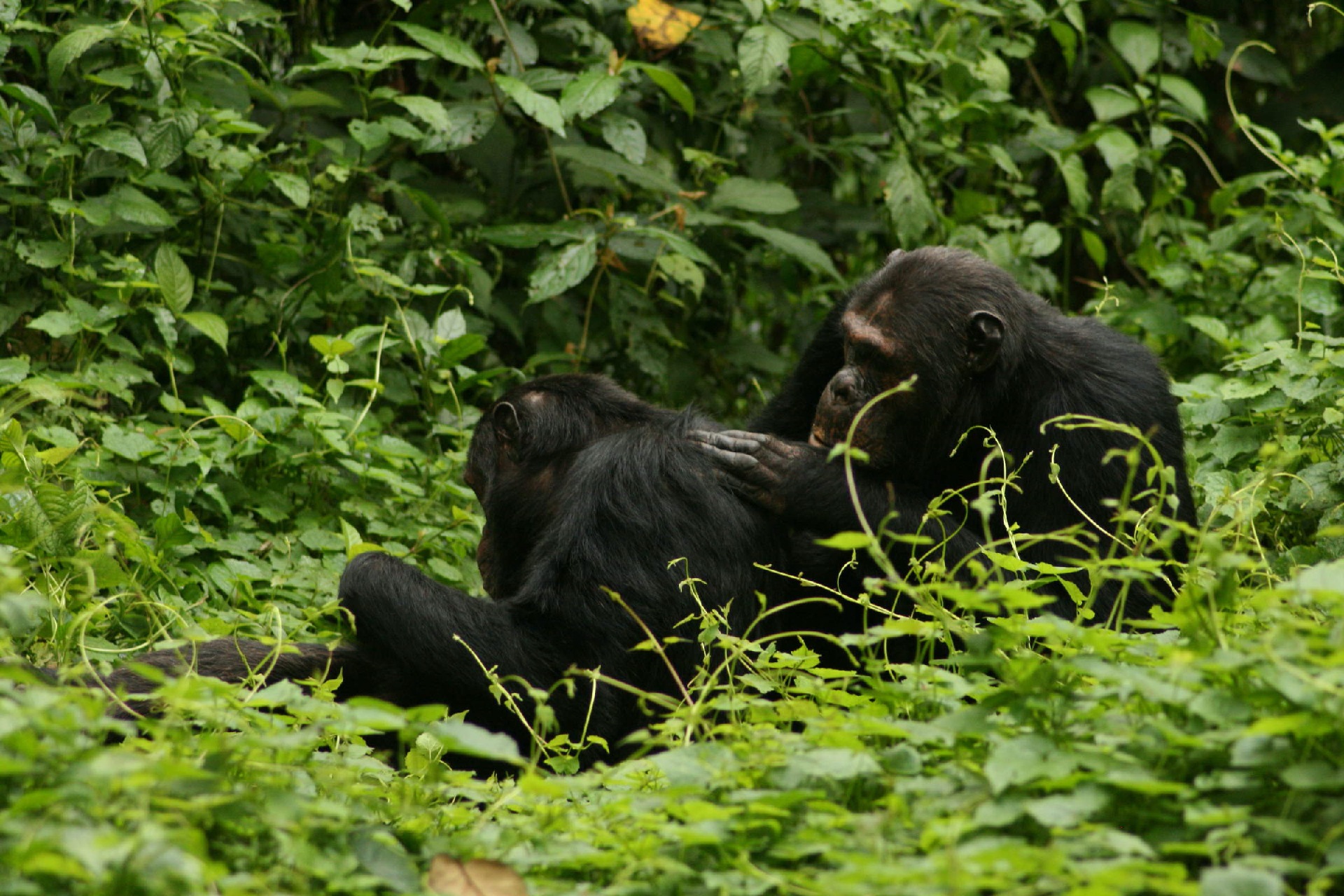
Chimpanzee tracking is one of the most exciting
activities to enjoy in Gishwati-Mukura National Park. The Gishwati Forest
section is home to a community of eastern chimpanzees that visitors can track
with experienced guides. The adventure starts early in the morning as you enter
the forest in search of these intelligent primates. During the trek, you may
hear chimpanzees calling from the treetops before locating them as they feed,
move through the branches or interact with one another. You may also encounter
other forest wildlife along the way. Chimpanzee tracking offers an opportunity
to learn about primate behavior and the importance of protecting their natural
habitat.
2. Guided Nature
Walks and Forest Hiking
Guided nature walks are a great way to explore the
beautiful forests of Gishwati-Mukura National Park. Accompanied by an
experienced park guide, you follow established forest trails while discovering
the park's rich biodiversity. Along the way, you can encounter different tree
species, colorful butterflies, medicinal plants and forest wildlife. The walks
also provide opportunities to enjoy the peaceful atmosphere of the forest,
observe monkeys and appreciate the natural vegetation. Some trails lead to
scenic viewpoints and waterfalls, making the experience rewarding for nature
lovers and adventure seekers.
3. Bird watching
Gishwati-Mukura National Park is an excellent
destination for bird watching, particularly for visitors interested in
Albertine Rift endemic species. More than 230 bird species have been recorded in
Gishwati Forest, with additional species found in Mukura Forest. During a
guided birding excursion, you can look out for species such as the Ruwenzori
turaco, red-throated alethe, strange weaver, regal sunbird and stripe-breasted
tit. The forest vegetation provides different habitats for resident and
forest-dependent birds. Whether you are an experienced birder or a beginner, bird
watching offers an opportunity to discover Rwanda's remarkable birdlife while
enjoying the beautiful forest surroundings. Carry binoculars and a camera to
make the most of your experience.
4. Monkey
Tracking
Besides chimpanzees, Gishwati-Mukura National Park
protects several other primate species, making monkey tracking another
interesting activity. With a knowledgeable guide, you can explore the forest in
search of monkeys moving through the trees, feeding on fruits or resting among
the branches. Some of the primates found in the park include L'Hoest's monkeys,
blue monkeys, golden monkeys and black-and-white colobus monkeys. Watching
these animals in their natural environment provides an exciting wildlife
experience and an opportunity to learn about their feeding habits, social behavior
and forest habitats. Monkey tracking is particularly rewarding for visitors
interested in primates and looking for additional wildlife experiences beyond
chimpanzee trekking.
5. Community and
Cultural Experiences
A visit to Gishwati-Mukura National Park is not
complete without exploring the communities surrounding the forest.
Community-based tourism allows visitors to experience traditional Rwandan
lifestyles while learning how local people contribute to forest conservation. You
can participate in activities such as traditional dance performances,
handicraft making, beekeeping, tea plantation visits and farm experiences. You
may also visit traditional healers to learn about the medicinal plants used in
local practices. These experiences provide a deeper understanding of the
relationship between local communities and the natural environment. They also
support community livelihoods and encourage responsible tourism around the
park.
Best Time to
Visit Gishwati-Mukura National Park
Gishwati-Mukura National Park can be visited
throughout the year, but the dry seasons offer the most comfortable conditions
for forest activities. June to September and December to February are generally
the best months for chimpanzee tracking, monkey tracking, hiking and nature
walks. During these periods, forest trails are usually easier to navigate.
The rainy seasons occur mainly from March to May and
October to November. Although trails can become muddy and slippery, these
months offer beautiful green vegetation and good opportunities for bird
watching. Migratory birds also make the wetter months interesting for bird
lovers.
How to Get to
Gishwati-Mukura National Park
Gishwati-Mukura National Park is located in western
Rwanda and can be accessed by road from Kigali. The journey takes approximately
three to four hours, depending on the route and road conditions. Visitors can
hire a private safari vehicle with a driver-guide for a more comfortable
journey, preferably a 4x4 vehicle for reaching the forest area.
The park can also be accessed from Rubavu (Gisenyi),
near Lake Kivu, or from Musanze, making it convenient to combine with a visit
to Volcanoes National Park. Travelers can include Gishwati-Mukura in a wider
Rwanda safari covering Volcanoes National Park, Lake Kivu and Nyungwe Forest
National Park.
Where to Stay in
Gishwati-Mukura National Park
Accommodation options around Gishwati-Mukura
National Park are limited compared to other established Rwanda safari
destinations. However, visitors have a few options depending on their budget
and preferred experience.
Forest of Hope Guest House: This community-supported
accommodation offers simple rooms and camping facilities near Gishwati Forest.
It is a convenient option for visitors interested in forest activities and
community-based tourism.
Gishwati Lodge: This is a comfortable accommodation
option for travelers looking for a more exclusive forest experience. It offers
an opportunity to enjoy the natural surroundings while staying close to the
park.
Accommodation in Rubavu and Karongi: Visitors can
also stay in nearby towns, where they can find additional hotels and lodges.
Rubavu is particularly suitable for travelers combining their forest visit with
a Lake Kivu holiday. It is advisable to arrange accommodation and park
activities in advance because facilities in the area are limited.
Ready
to plan your next African safari adventure? Contact Zoophilist
Adventures and Safaris for tailor-made
gorilla trekking, wildlife safaris, chimpanzee tracking, and cultural tours
across Uganda, Rwanda, Kenya, and Tanzania.
📧
Email: info@primatetrekkingsafaris.com
mailto:zoophilistadventures@gmail.com
📞
Phone/WhatsApp: +256 760779592
Visit our official website for more information https://primatetrekkingsafaris.com/. Zoophilist Adventures and Safaris specializes in personalized safari experiences, offering expert guidance and carefully crafted itineraries for unforgettable African wildlife encounters