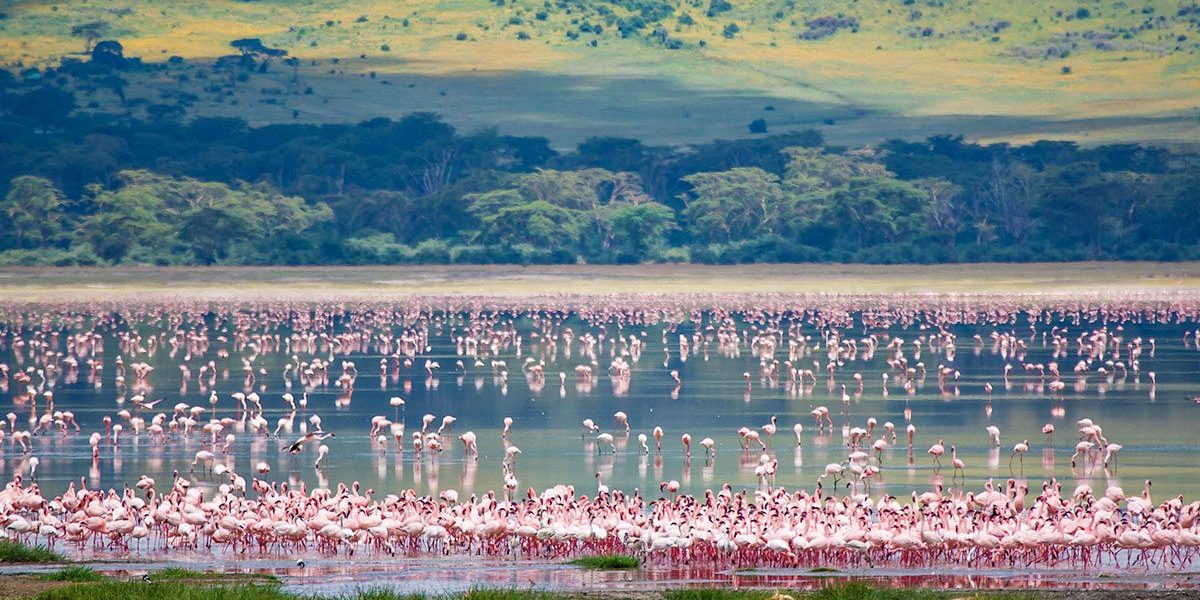

Lake
Manyara National Park in northern Tanzania is one of the most diverse
safari destinations, offering a mix of wildlife, landscapes, and cultural
experiences. Despite its smaller size compared to other parks, it packs
incredible variety into every visit. Visitors can enjoy classic game drives to
see elephants, giraffes, and the famous tree-climbing lions, while birdwatchers
are treated to over 400 species, including flamingos along the lake. Unique
activities such as the treetop canopy walkway, night drives, and canoeing
provide fresh perspectives beyond traditional safaris. The park also features
geothermal hot springs, hippo pools, and cultural tours in nearby Mto wa Mbu. A
visit to Lake Manyara combines wildlife viewing, adventure, and cultural
discovery, making it a rewarding stop on any Tanzania safari itinerary.
1. Game Drives
Game drives are the most popular way to explore Lake
Manyara National Park. The park’s compact size allows visitors to see
diverse habitats in a single day, from dense forests to open plains. Expect
elephants, giraffes, zebras, buffalo, and the famous tree-climbing lions. Early
morning drives increase chances of predator sightings, while afternoons are ideal
for birdwatching. Guides provide insights into animal behavior, making the
experience both educational and enjoyable.
2. Birdwatching
Lake Manyara is a paradise for bird lovers, with
over 400 recorded species. Flamingos, pelicans, storks, and African fish eagles
are common along the lake. Migratory species arrive during the wet season,
adding variety. Birdwatching here is rewarding year-round, with opportunities
for photography and observation. The alkaline lake attracts massive flocks of
flamingos, creating spectacular views that are a highlight for many visitors.
3. Treetop
Canopy Walkway
The treetop walkway near the park entrance offers a
unique perspective of the forest canopy. Suspended bridges allow visitors to
walk among the trees, spotting monkeys, birds, and insects from above. It’s a
safe and guided activity that adds variety beyond vehicle-based safaris. The
walkway is ideal for families and those seeking a different angle on the park’s
ecosystems, combining adventure with education.
4. Night Game
Drives
Lake Manyara is one of the few Tanzanian
parks that allows night drives. With spotlights and trained rangers, you
can see nocturnal animals such as bush babies, civets, porcupines, and even
leopards. Night drives provide a completely different atmosphere, highlighting
species rarely seen during the day. This activity adds depth to your safari
experience and is perfect for those curious about nocturnal wildlife.
5. Walking
Safaris
Guided walking safaris let you experience the park
at a slower pace. You’ll learn about plants, animal tracks, and smaller
creatures often overlooked on game drives. Walking safaris are led by
professional guides who ensure safety while offering detailed explanations of
the ecosystem. This activity provides a more intimate connection with nature
and is ideal for travelers who enjoy active exploration.
6. Canoeing on
the Lake
When water levels permit, canoeing on Lake
Manyara is a peaceful way to explore. From the water, you can see hippos,
flamingos, and other birdlife up close. Canoeing offers a unique perspective
compared to land-based activities, making it a memorable addition to your
safari. It’s a calm and relaxing experience that allows you to appreciate the
lake’s beauty while observing wildlife safely.
7. Hippo Pool Lookout
The Hippo Pool is a raised viewing platform where
visitors can watch hippos wallowing in the water. It’s also a great spot for
bird photography, with pelicans, storks, and flamingos often nearby. The
lookout provides a safe and comfortable way to observe wildlife without
disturbing them. It’s a must-visit location for anyone interested in close yet
secure wildlife viewing.
8. Maji Moto Hot
Springs
Located in the southern part of the park, Maji Moto
is a geothermal site where hot water bubbles up through the Rift Valley floor.
The springs are surrounded by fig trees and attract wildlife such as monkeys
and birds. It’s a fascinating natural feature worth including in a full-day
safari. The area combines geology, wildlife, and scenic beauty, making it a
unique stop.
9. Cultural
Tours in Mto wa Mbu
Just outside the park, the town of Mto wa Mbu offers
cultural tours. Visitors can explore local markets, farms, and traditional
crafts. These tours provide insight into daily life and complement the wildlife
experiences inside the park. Meeting local people and learning about their
traditions adds cultural depth to your safari, making it more than just a
wildlife-focused trip.
10. Rift Valley
Viewpoints
Lake Manyara lies at the base of the Great Rift
Valley escarpment, and viewpoints along the escarpment provide stunning
panoramas of the park and lake. These viewpoints are perfect for photography,
offering wide views of the landscape and wildlife below. They also highlight
the geological significance of the Rift Valley. Stopping at these viewpoints
adds variety to your safari and helps you appreciate the park’s setting.
Best time to
visit Lake Manyara National park
The best time to visit Lake Manyara National Park is
during the dry season from June to October, when wildlife viewing is at its
peak and animals gather around water sources. Birdwatchers, however, may prefer
the wet season from November to May, when migratory species and flamingos
arrive. Lake Manyara National Park offers rewarding experiences year-round, but
timing your visit depends on your priorities. The dry season (June–October) is
ideal for game drives, as vegetation thins and animals like elephants, buffalo,
and tree-climbing lions are easier to spot. Roads are firm, making travel
smoother, though this period is busier and more expensive. The wet season
(November–May) transforms the park into a green paradise, with waterfalls,
vibrant vegetation, and excellent birdwatching opportunities, especially for
flamingos and migratory species. This season also has fewer crowds and lower
accommodation rates, though heavy rains in March and April can make roads
muddy. Whether you prioritize wildlife viewing or birdwatching, Lake Manyara
offers distinct advantages in both seasons, making it a versatile destination for
safari travelers.
