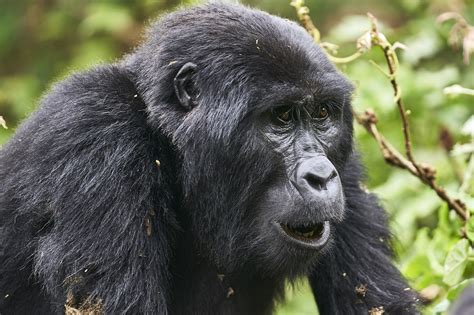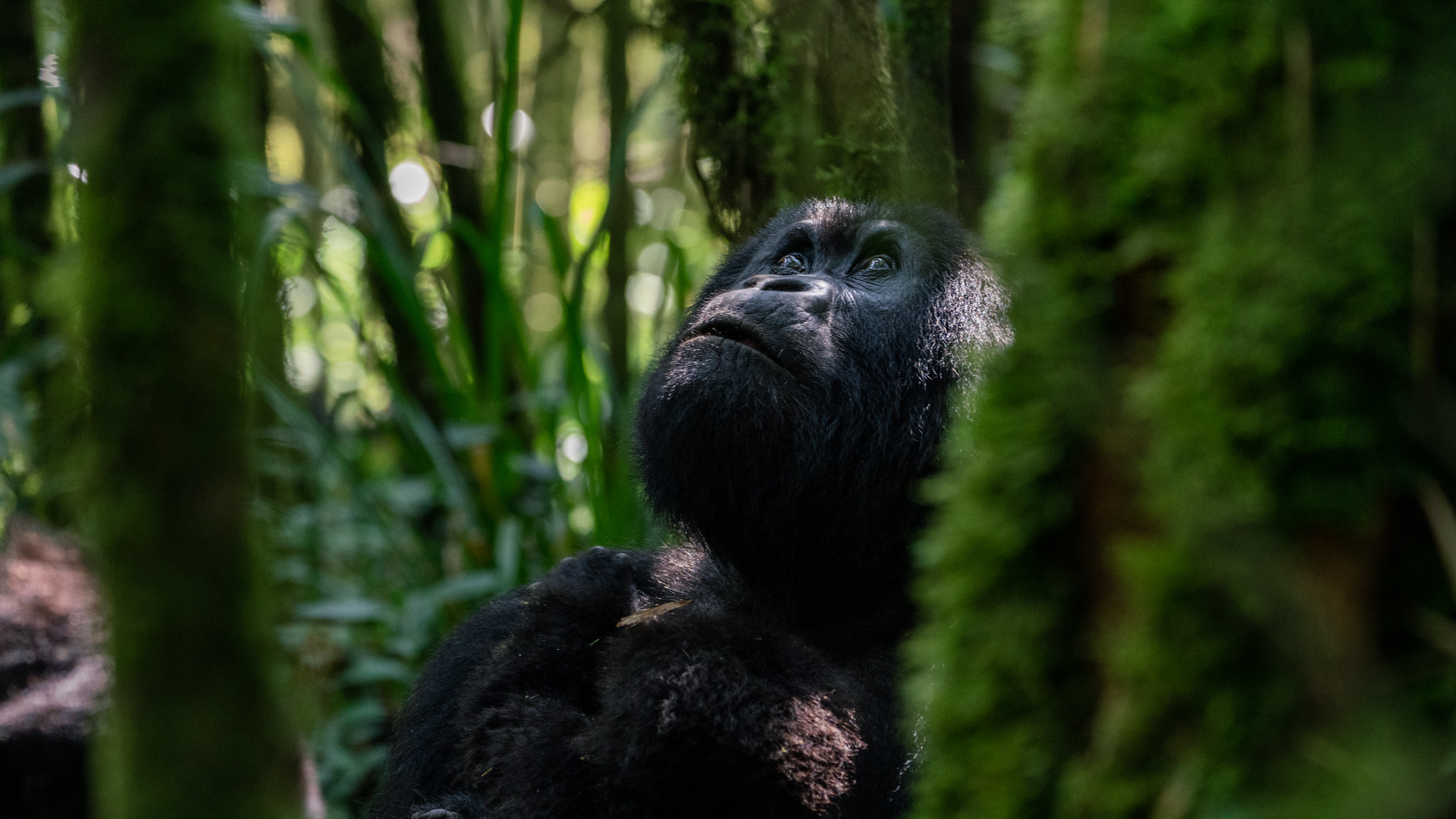

Choosing between Uganda and Rwanda
for a mountain gorilla encounter is the first major decision, and it
fundamentally shapes your budget, travel time, and physical experience. The
core difference lies in cost and convenience: Rwanda offers a polished, time-efficient
experience with permits at $1,500 and a trailhead just a few hours from Kigali,
ideal for luxury travelers or those on a tight schedule . Uganda, by contrast,
is the budget-friendly option with permits at $800, but reaching Bwindi
Impenetrable National Park typically involves a much longer journey, often
eight to nine hours by road from Entebbe, though internal flights can shorten
this . The savings in Uganda are substantial, but you trade some logistical
ease for a wilder, more rugged adventure .
Permits
and Booking Strategy
Securing a gorilla permit is the
most critical step, as they are limited to protect the endangered primates.
Regardless of your destination, you should book well in advance—ideally three
to six months ahead, and up to a year for peak dry seasons . Each permit
guarantees you one hour with a habituated gorilla family in a group of no more
than eight people, a rule strictly enforced in both countries . Your permit fee
covers park entry, ranger guides, and trackers, but it does not include
accommodation, transport, or tips . Be aware that permits are generally
non-refundable and non-transferable, so your travel dates must be firm before
you commit .
Choosing
the Right Season
The timing of your trek
significantly affects trail conditions and overall comfort. The best times to
visit are during the dry seasons, which run from June to September and from
mid-December to early February . During these periods, the forest trails are
firmer and less slippery, making the steep hikes more manageable and enjoyable
. The wetter months of April and May, as well as October and November, bring
heavier rain, muddier paths, and a higher chance of a strenuous trek . However,
the wet season offers fewer crowds, lush green scenery, and sometimes cheaper
low-season permit rates in Uganda, which can drop to $600 in specific months .
Fitness
and Physical Preparation
You do not need to be an elite
athlete, but a reasonable level of fitness will greatly enhance your
experience. Treks can last anywhere from one to eight hours, depending on where
the gorillas have moved, and involve navigating steep, uneven, and often muddy
terrain at high altitudes . Generally, trekking in Rwanda is considered
slightly easier because the terrain is more open and the trek to the gorillas
is often shorter, sometimes within two hours of the trailhead . Uganda's Bwindi
Impenetrable Forest is denser, steeper, and muddier, earning its name .
Preparing with regular hill walking or stair climbing in the weeks before your
trip is highly recommended to build stamina .
What
to Wear and Pack
Packing correctly is essential for
comfort and safety in the rainforest. You will need sturdy, waterproof hiking
boots with good ankle support and tread, as well as long-sleeved shirts and
long trousers to protect against stinging nettles, thorns, and insects .
Layering is key because mornings can be chilly while the hike generates heat; a
waterproof rain jacket is non-negotiable regardless of the season . Bring
gardening or lightweight gloves to help you grab onto vegetation on steep
sections, and consider gaiters to keep mud out of your boots . A small daypack
for water, snacks, and your camera is essential, but remember to leave the
flash off when photographing the gorillas
The
Trekking Experience and Rules
On the day of your trek, you will
receive a briefing at the park headquarters before setting off in your assigned
group. The trackers go ahead early to locate the family, and your ranger guide
will lead you through the forest, sometimes off-trail, to find them . The rules
are strict for the gorillas' protection: you must maintain a distance of at
least seven meters (about 21 feet) from the animals, and you are strictly
limited to one hour with them to minimize stress and disease transmission . If
you are unwell with a contagious illness like a cough or flu, you will not be
allowed to trek, as mountain gorillas are highly vulnerable to human diseases .
Hiring
a Porter
One of the best pieces of advice
for any trekker is to hire a local porter at the trailhead. For a small fee of
around $15 to $20, a porter will carry your daypack and, more importantly,
offer a stabilizing hand on slippery slopes or steep sections . This simple act
not only makes your trek significantly easier and safer, but it also directly
supports the local community and provides a tangible economic incentive for
conservation . Even if you are fit, the assistance on difficult terrain is
invaluable, allowing you to focus more on the experience and less on staying
upright in the mud.
Managing
the Altitude and Weather
Both Uganda and Rwanda's gorilla
habitats are at high altitudes, typically between 2,500 and 3,000 meters. The
air is thinner, and you may find yourself getting out of breath more quickly
than usual. Take the pace slow and steady; there is no rush, as the one-hour
limit with the gorillas begins only once you find them . The weather in the
rainforest is notoriously unpredictable, and a sunny morning can quickly turn
into a downpour. Always carry your rain gear in your daypack rather than
leaving it at the lodge, and protect your camera with a waterproof bag or cover
.
Photography
Etiquette
Capturing photos of the gorillas is
a highlight, but it must be done respectfully. Flash photography is strictly
prohibited, as it can agitate and disturb the animals . Ensure your camera's
flash is turned off before you enter the forest. Use natural light and a lens
with a good zoom to get close-up shots without physically approaching the
gorillas. The hour passes quickly, so spend some time simply observing their behavior
without looking through a viewfinder . The silverback may occasionally charge
or display, but this is usually a bluff; follow your guide's instructions, stay
low, and avoid direct eye contact if the situation feels tense.
Combining
with Other Safari Activities
Many travelers choose to extend
their trip beyond gorilla trekking. Uganda is an excellent destination for a
longer safari, offering opportunities to combine gorillas with chimpanzee
tracking in Kibale National Park, game drives in Queen Elizabeth National Park,
and boat safaris on the Nile . Rwanda, while smaller, can be paired with a
visit to Akagera National Park for a Big Five safari or Nyungwe Forest for
chimpanzees and canopy walks . If you have the time, a multi-country itinerary
that includes both Uganda and Rwanda is possible, though you will need separate
visas and permits for each country.
Respecting
the Gorillas and Their Habitat
Ultimately, gorilla trekking is a
conservation-focused activity, and your visit contributes directly to the
protection of these magnificent animals. The permit fees fund ranger patrols,
veterinary care, and community development projects around the parks . By
following the rules staying the required distance, keeping your time limited,
and never leaving litter behind you help ensure that future generations can
also experience this privilege . Remember that you are a guest in their home;
keep your voice low, move slowly, and savor the profound connection of locking
eyes with a wild mountain gorilla.